

Your Professional Air Filters Supplier
Our goal is to become your true partner in the field of air filters China. Henan Hengyuan Technology Co.,Ltd specializing in the R&D,manufacturing and sales of various specifications of primary, intermediate and other purification equipment and laminar flow purification room products. We have a skilled engineering team dedicated to refining every stage, from product development and process improvement to production oversight, ensuring every product delivered meets rigorous quality and performance standards. The price is competitive and the product is quality-assured, which is a good choice for your long-term cooperation.
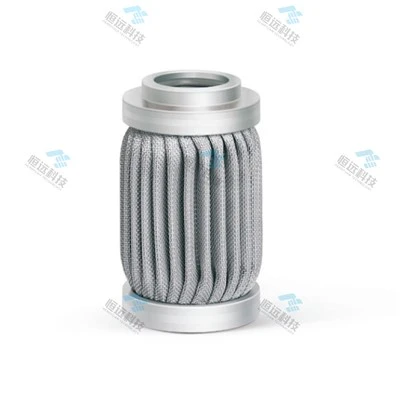
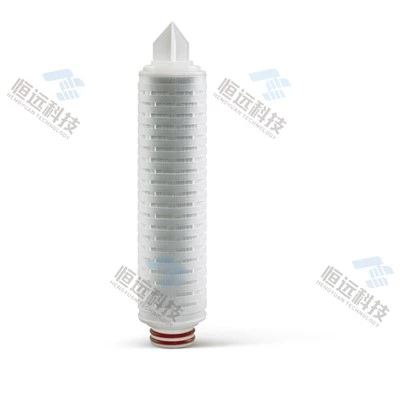
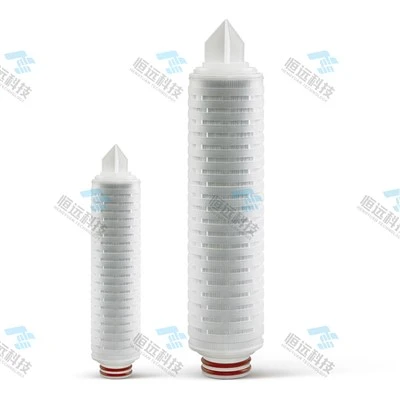
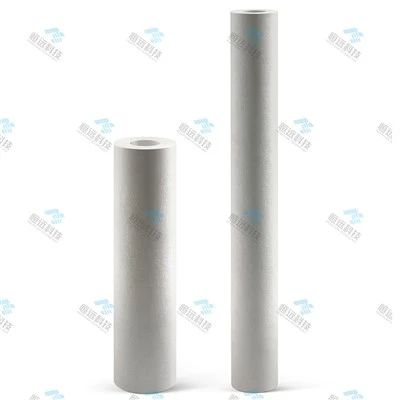
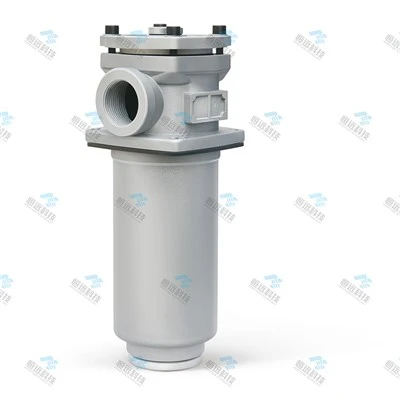
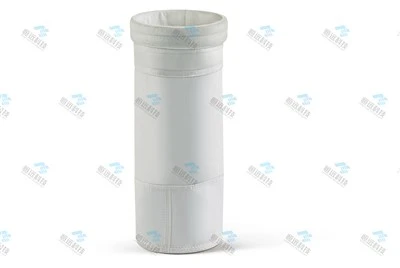
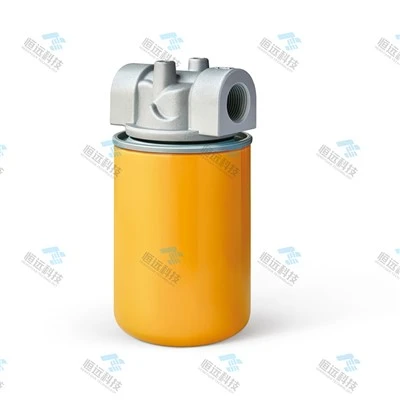
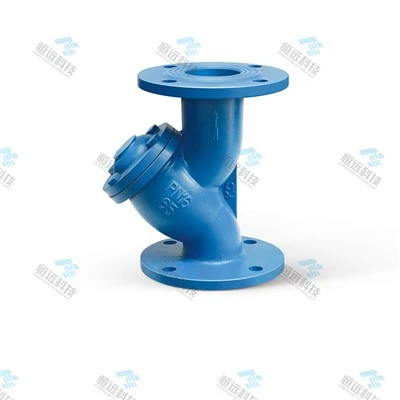

- Reduced fire risk: Flame-retardant media prevents dust ignition.
- Lower operating costs: Extended filter life minimizes replacements.
- Energy efficiency: Low pressure drop reduces fan power consumption.
- Customizable: Tailored to specific dust types, temperatures, and airflows.
Specification of Air Filters
|
Parameter |
Details |
|
Media Types |
Glass fiber, Nomex®, PPS, PTFE-coated, antistatic. |
|
Efficiency Ratings |
MERV 15–16, HEPA (H13–H14) optional. |
|
Max. Temperature |
Continuous: 400°F (204°C); Peak: 500°F (260°C) (media-dependent). |
|
Flame Retardancy |
UL 94 V-0, ASTM D2863 (LOI >30%), ATEX Zone 20/21/22 compliance. |
|
Dimensions |
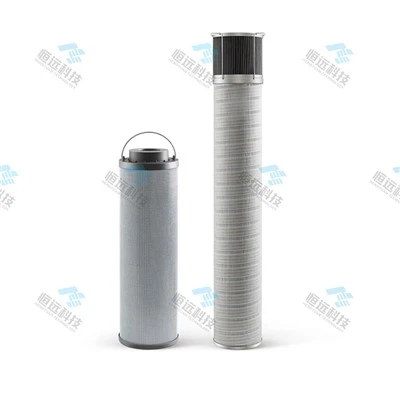
Standard: Ø130–400mm, Height 300–1200mm (custom sizes available). |
|
End Caps |
Metal (galvanized/stainless) or plastic (flame-retardant ABS/nylon). |
|
Cleaning Method |
Pulse-jet, manual shaking, or washable (for reusable models). |
Features of Air Filters
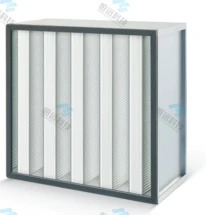
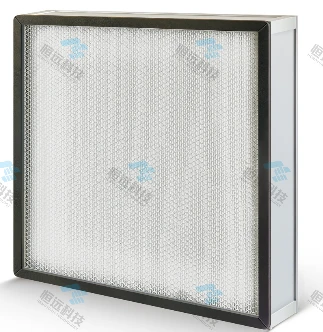
Pleated media design: Increases surface area by 3–5x compared to flat filters, extending service life and reducing pressure drop.
High dust-holding capacity: Captures more particulates before requiring replacement/cleaning.
Gradient density structure: Coarse outer layer traps large particles; fine inner layer filters sub-micron dust.
Fire-resistant media: Made from glass fiber, meta-aramid, or polyphenylene sulfide (pps) with self-extinguishing properties.
Flame-retardant coatings: Optional silicone or ptfe treatments to enhance heat resistance (up to 500°f/260°c).
Heavy-duty housing: Galvanized steel or stainless steel (304/316l) for corrosion resistance.
Moisture-resistant seals: Silicone or gaskets prevent air leakage in humid environments.
Abrasion-resistant design: Reinforced pleat tips and anti-collapse rings for longevity in high-velocity airflow.
Fiberglass filters:
Fiberglass filters are the most common types of air filters. The layered fiberglass that makes up these filters can capture relatively large particles of dirt and dust, but they’re not as effective against smaller particles like pet dander or pollen.
Pleated filters:
The mesh of pleated filters usually consists of either cotton or polyester, which gives them a larger surface area than fiberglass filters have. This results in merv ratings for pleated filters that range between 5 and 16. Those with merv ratings of 5 to 8 are the most common in residential buildings.
UV filters:
UV filters are especially useful for those who wish to disinfect the air in their homes. As air passes through the mesh of the filters on these devices, they shoot ultraviolet light at the air using a special light bulb.
Electrostatic filters:
Electrostatic filters use electrically charged metal plates to improve indoor air quality (iaq). They do this by changing the air around them with electricity. Since the filter plates have an opposite charge, all airborne pollutants that pass into the filter will stick to the plates.
Hepa and ulpa filters:
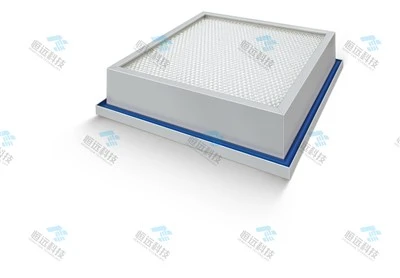
High-efficiency particulate air (hepa) filters are among the most powerful filters, boasting merv ratings between 17 and 19. They are so powerful that standard hvac systems cannot beat them without special modifications.
Application of Air Filters
|
Industry |
Key Challenges Addressed |
|
Metal Processing |
Sparks, high-temp exhaust (welding, laser cutting). |
|
Woodworking |
Combustible sawdust, resin buildup. |
|
Chemical/Pharma |
Corrosive gases, VOCs, sterile air requirements. |
|
Food Processing |
Flammable flour/starch dust, washdown-ready designs. |
|
Cement/Mining |
Abrasive particles, high dust loading. |
|
Power Generation |
Coal dust, fly ash, high-temperature flue gas. |
Packing and Shipping of Air Filters
|
Packing |
Box |
|
Shipping |
Shipped by road, sea, rail |
FAQ
We're well-known as one of the leading air filters manufacturers and suppliers in China. Please feel free to buy high quality air filters at competitive price from our factory. For more information, contact us now.
Glass Fiber Filter, Hydraulic Oil Filter, Coal Mine Filter Element