


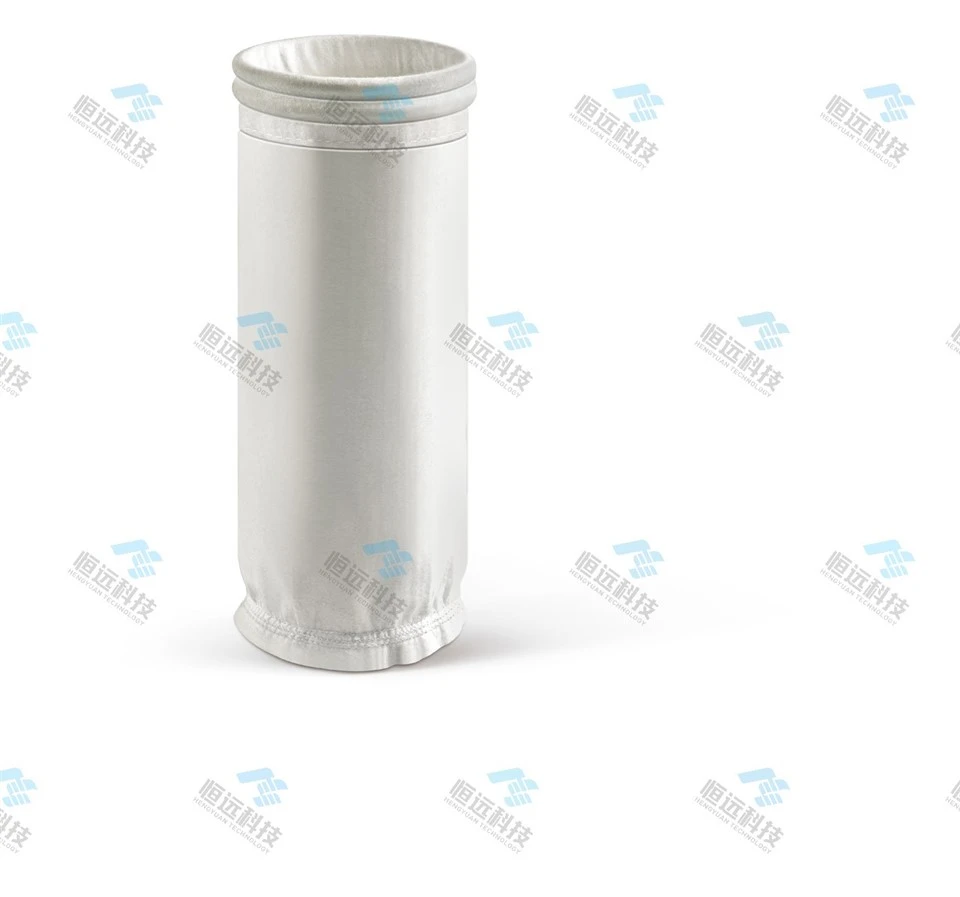
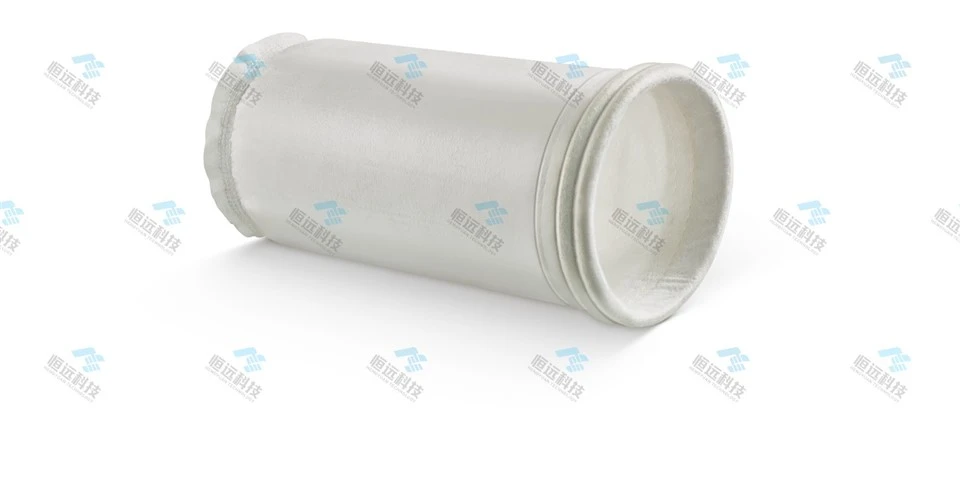
The filtration principle of easy-to-clean polyester filter media primarily stems from the properties of polyester material and its structural design, coupled with physical and chemical mechanisms to achieve efficient capture of dust particles. The following provides a detailed elaboration of this filtration principle:
I. Material Properties
Mechanical Strength and Abrasion Resistance: Polyester material boasts high mechanical strength and abrasion resistance, enabling the easy-to-clean polyester filter media to maintain a long service life under airflow impact and dust abrasion.
Breathability and Filtration Performance: Polyester exhibits excellent breathability, allowing smooth airflow passage, while its porous structure provides ample surface area for dust particle capture.
Easy-to-Clean Characteristic: Through special treatments such as singeing and calendering, the polyester fiber surface acquires good hydrophobicity and antistatic properties, reducing dust adhesion to the filter surface and facilitating cleaning operations.
II. Structural Design
Multi-Layer Structure: The easy-to-clean polyester filter media often adopts a multi-layer design, enhancing filtration efficiency by increasing filtration area and prolonging airflow paths.
Smooth Surface: The specially treated polyester fibers feature a smooth surface, minimizing airflow resistance, boosting filtration efficiency, and mitigating dust deposition on the filter surface.
III. Filtration Mechanisms
Interception: Larger dust particles collide with the filter surface under inertia when passing through the easy-to-clean polyester filter media, resulting in direct interception.
Diffusion and Deposition: Smaller dust particles undergo irregular movements due to molecular thermal motion in the airflow, diffuse to the filter surface, and subsequently deposit.
Electrostatic Attraction: The polyester fiber surface may carry electrostatic charges, attracting and adsorbing dust particles with opposite charges, thereby enhancing filtration effectiveness.
IV. Influencing Factors
Material and Structure: The fiber structure, porosity, and surface treatment of polyester material all influence dust particle capture efficiency.
Operating Conditions: Airflow velocity, temperature, humidity, and other operating conditions also affect filtration performance. Reducing airflow velocity, increasing temperature, and decreasing humidity can help improve filtration efficiency.
Dust Properties: Particle size, density, shape, and other characteristics of dust particles impact filtration outcomes.
V. Cleaning Mechanism
As filtration proceeds, dust layers gradually accumulate on the filter surface. Excessive dust buildup reduces breathability, increases airflow resistance, and may even damage the filter. Thus, regular cleaning of the easy-to-clean polyester filter media is necessary. Common cleaning methods include mechanical vibration and pulse jet cleaning. Among them, pulse jet cleaning is prevalent, utilizing high-speed airflow to deliver brief yet intense impacts, dislodging dust layers from the filter surface.
In summary, the filtration principle of easy-to-clean polyester filter media encompasses a complex process that integrates material properties, structural design, filtration mechanisms, and cleaning mechanisms. This comprehensive process effectively captures and removes dust particles, safeguarding the environment and human health.
Hot Tags: easy-to-clean polyester filter media, China easy-to-clean polyester filter media manufacturers, suppliers, factory, High Efficency Air Supply Outlet, Air Filter Cartridge Series, Wind Power Filter Element, HL500 I Polyester Needle Punched Filter Material, Polyester Dust Removal Air Filter, HBY Series Plate Air Filter