

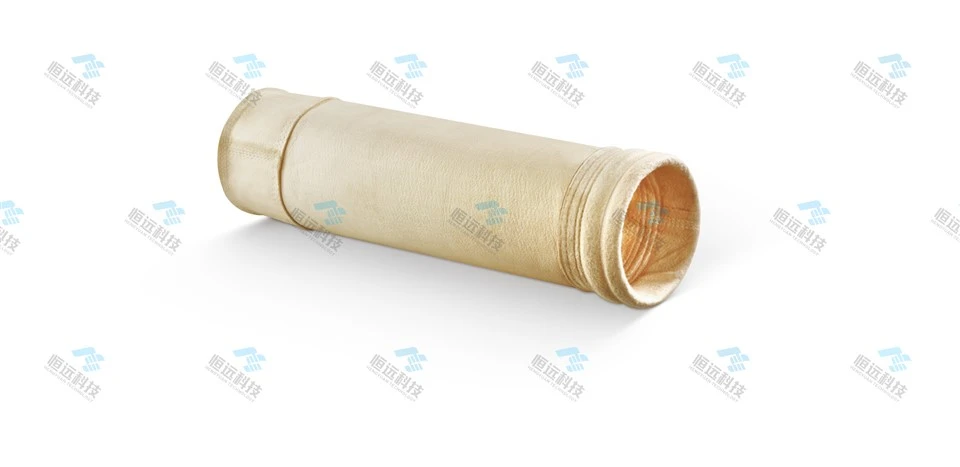

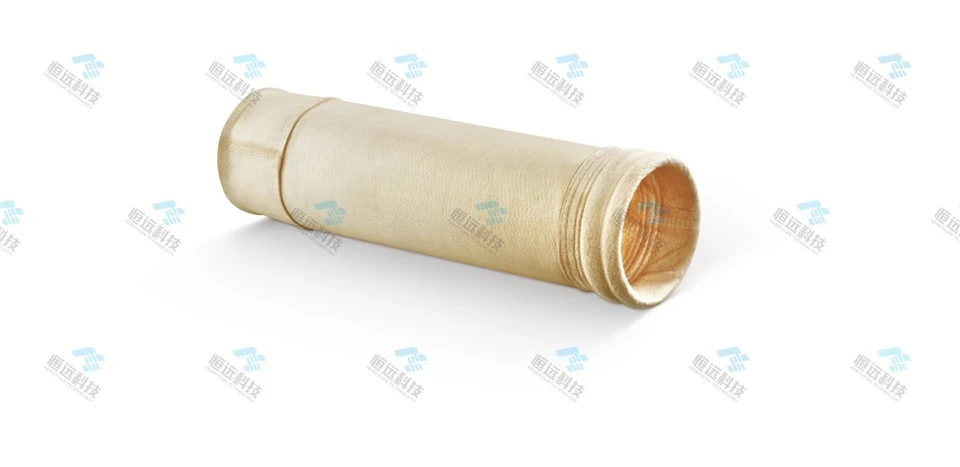
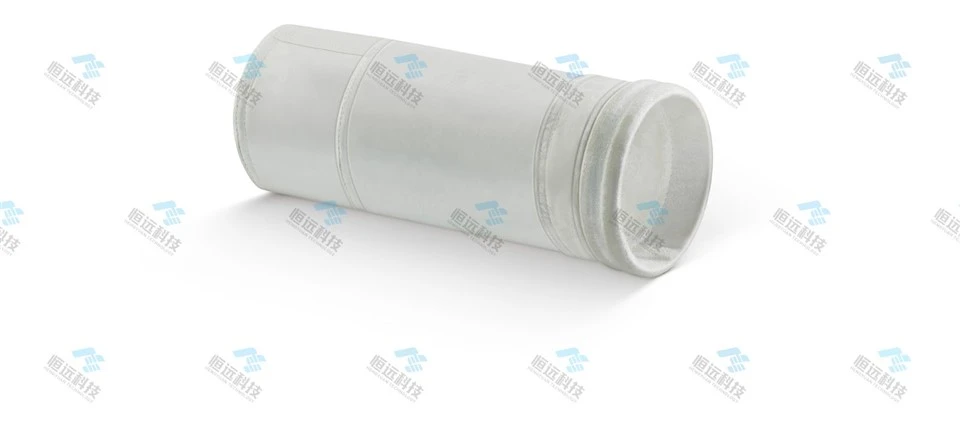
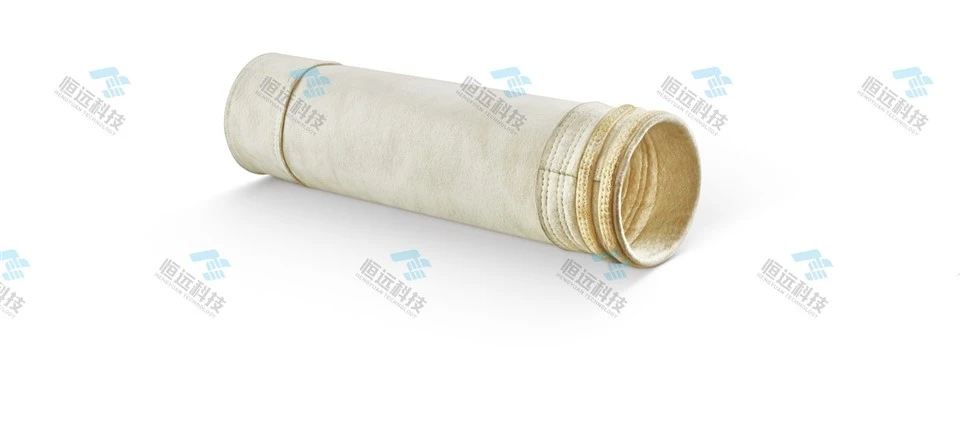
PTFE Membrane Fiberglass Dust Collector Filter Bag for Steel Plant: Overview & Key Features
1. What is a PTFE Membrane Fiberglass Filter Bag?
A PTFE (Polytetrafluoroethylene) membrane fiberglass filter bag is a high-performance filtration medium designed for dust collection in harsh industrial environments, particularly in steel plants. It combines:
Fiberglass substrate (base material) for mechanical strength and thermal resistance.
PTFE membrane (ePTFE, expanded PTFE) laminated onto the fiberglass for enhanced filtration efficiency and chemical resistance.
2. Why Use PTFE Membrane Fiberglass Filter Bags in Steel Plants?
Steel plants generate high-temperature, abrasive, and chemically aggressive dust (e.g., from sintering, blast furnaces, electric arc furnaces). PTFE membrane fiberglass bags excel in:
High-Temperature Resistance: Fiberglass can withstand 260°C (500°F) continuously, with peaks up to 280°C (536°F).
Chemical Inertness: PTFE is resistant to acids, alkalis, and organic solvents, preventing degradation.
Low Emission Compliance: The PTFE membrane ensures <1 mg/m³ dust emissions (meeting stringent environmental regulations).
Anti-Clogging: The smooth membrane surface prevents dust penetration, reducing pressure drop and extending bag life.
Abrasion Resistance: Fiberglass provides durability against coarse particles.
3. Key Advantages Over Traditional Filter Bags
| Feature | PTFE Membrane Fiberglass | Standard Fiberglass | Polyester/Nomex |
|---|---|---|---|
| Filtration Efficiency | >99.9% (sub-micron particles) | 99% (coarser dust) | 99% (moderate) |
| Temperature Limit | 260°C continuous | 260°C (but prone to aging) | 130-150°C |
| Chemical Resistance | Excellent (all acids/alkalis) | Poor (hydrolyzes in acids) | Limited |
| Cake Release | Excellent (non-stick) | Fair (requires shaking) | Good (but less durable) |
| Lifespan | 3-5 years | 2-3 years | 1-2 years |
4. Applications in Steel Plants
Sintering Plants: Filtration of fine sinter dust.
Blast Furnaces: Capturing iron oxide and coke dust.
Electric Arc Furnaces (EAF): Handling high-temperature fumes with metal oxides.
Coke Ovens: Filtering tar and particulate matter.
Secondary Metallurgy (Ladle Furnaces, AOD): Removing slag and fines.
5. Maintenance & Lifespan Considerations
Cleaning: Pulse-jet cleaning is effective due to the PTFE membrane's self-cleaning properties.
Avoid Moisture: Fiberglass can hydrolyze if exposed to water at high temperatures.
Regular Inspection: Check for membrane wear (especially in high-abrasion zones).
Expected Lifespan: 3–5 years in typical steel plant conditions (vs. 1–2 years for polyester).
6. Cost-Benefit Analysis
Higher Initial Cost: PTFE membrane fiberglass bags are 2–3x more expensive than standard polyester.
Long-Term Savings:
Reduced downtime (longer bag life).
Lower energy consumption (stable pressure drop).
Compliance with environmental fines (avoids penalties).
7. Environmental & Regulatory Compliance
Meets EU Industrial Emissions Directive (IED), U.S. EPA MACT standards, and Chinese GB standards.
Helps steel plants achieve <10 mg/m³ (and often <5 mg/m³) emissions, far below regulatory limits.
8. Alternatives & When to Choose PTFE Membrane Fiberglass
If temperature >200°C: PTFE membrane fiberglass is essential (polyester/Nomex fail).
If chemical exposure is high: PTFE's inertness is critical.
For lower-temperature, non-corrosive dust: Polyester or Nomex may suffice (cost-saving).
Conclusion
PTFE membrane fiberglass filter bags are the gold standard for steel plant dust collection due to their:
✅ High-temperature durability
✅ Chemical resistance
✅ Low emissions
✅ Long lifespan
While more expensive upfront, they provide superior ROI in demanding environments. For steel plants prioritizing compliance, efficiency, and reduced maintenance, they are the optimal choice.
Hot Tags: ptfe membrane fiberglass dust collector filter bag for steel plant, China ptfe membrane fiberglass dust collector filter bag for steel plant manufacturers, suppliers, factory