

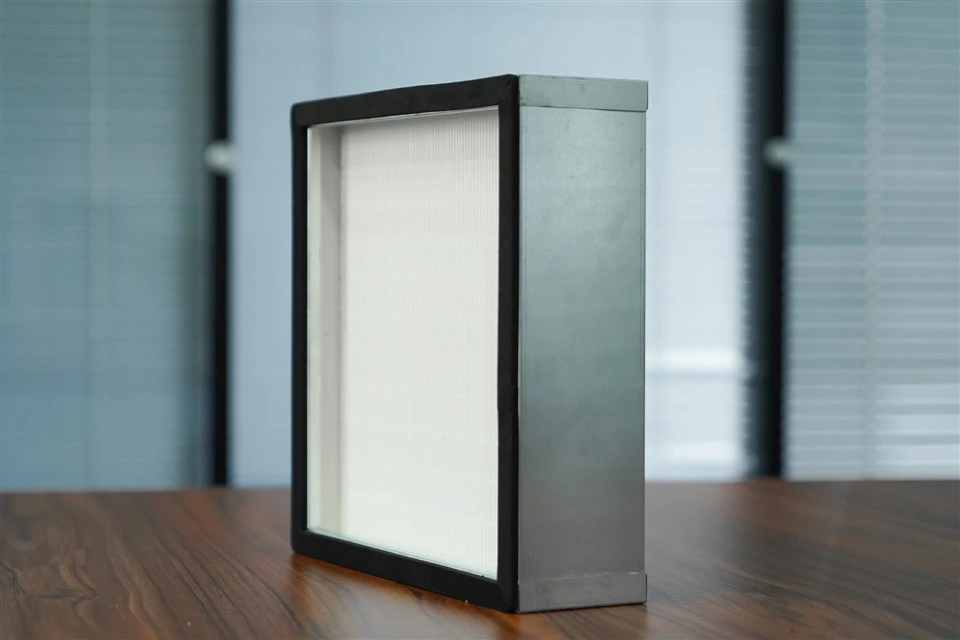

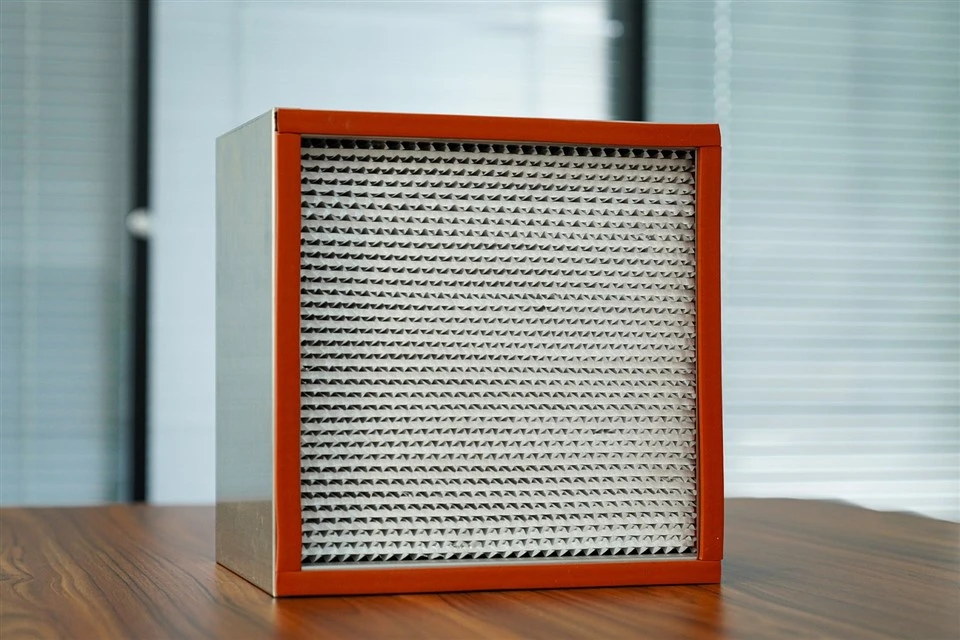
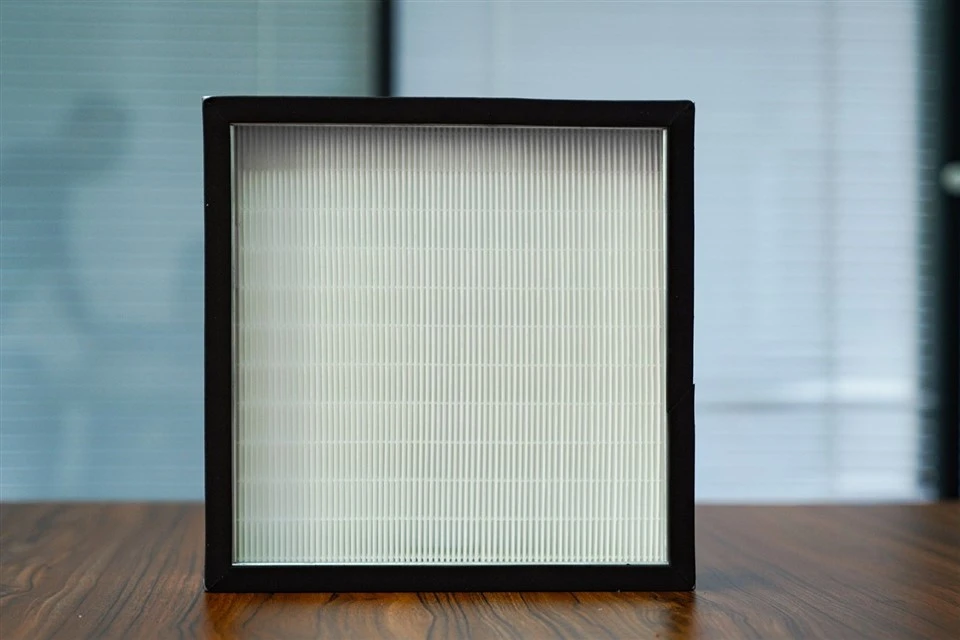
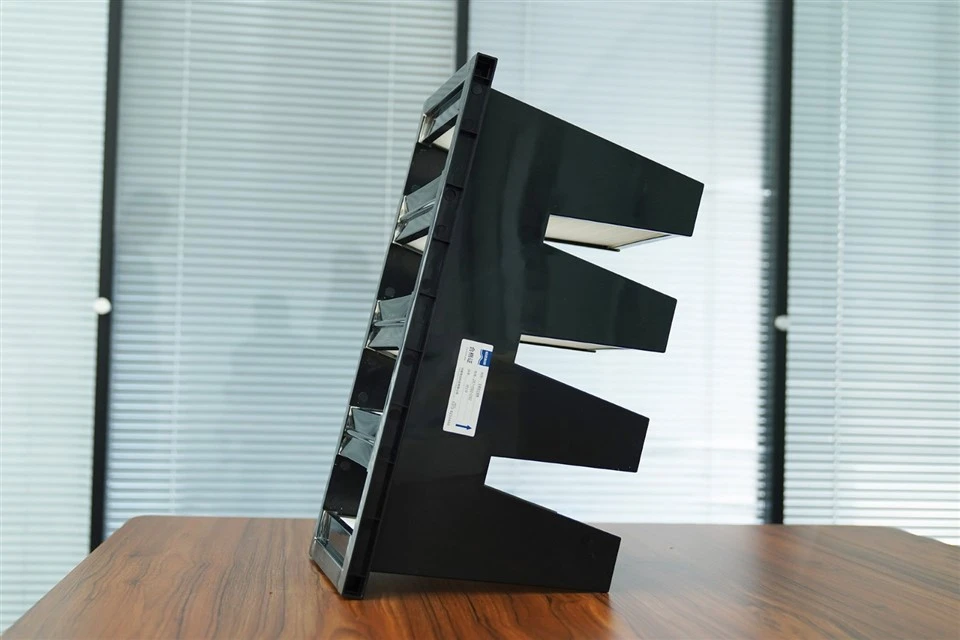
Analysis of Dust Removing Air Cleaning Equipment & Cleanroom Ventilation HEPA Air Filter
I. Core Functions and Applications
1. Dust Removing Air Cleaning Equipment
Function: Removes airborne particulates (e.g., dust, pollen, smoke) via physical filtration, electrostatic adsorption, or ionization to improve air quality.
Applications: Industrial workshops, laboratories, hospitals, offices, and other settings requiring air pollution control.
2. Cleanroom Ventilation
Function: Maintains ultra-low particulate concentrations in cleanrooms through high-efficiency filtration (e.g., HEPA filters) and positive pressure airflow control (e.g., ≤3,520 particles ≥0.5μm/m³ in ISO 5 cleanrooms).
Key Design Elements:
Airflow Organization: Laminar (unidirectional) or turbulent (non-unidirectional) flow to ensure uniform air distribution.
Pressure Differential Control: Maintains positive pressure in cleanrooms to prevent external contamination ingress.
3. HEPA Air Filter
Definition: High-Efficiency Particulate Air Filter capable of intercepting ≥99.97% of ≥0.3μm particles.
Structure: Folds of ultra-fine glass fiber or PP (polypropylene) filter media to increase filtration surface area.
Applications:
Cleanrooms (e.g., semiconductor manufacturing, biopharmaceuticals).
Hospital operating rooms and ICUs.
Nuclear industry, aerospace, and other high-precision fields.
II. Technical Key Points and Performance Metrics
1. HEPA Filter Classification (EN 1822 Standard)
| Class | Efficiency (≥0.3μm Particles) | Typical Applications |
|---|---|---|
| E10 | ≥85% | General industrial ventilation |
| H13 | ≥99.95% | Semiconductor cleanrooms, operating rooms |
| H14 | ≥99.995% | Nuclear industry, ultra-precision labs |
2. Cleanroom Classification (ISO 14644-1 Standard)
| ISO Class | ≥0.1μm Particles/m³ Limit | Typical Applications |
|---|---|---|
| ISO 5 | ≤3,520 | Semiconductor wafer manufacturing |
| ISO 7 | ≤352,000 | Pharmaceutical packaging, medical device production |
| ISO 8 | ≤3,520,000 | Electronics assembly, food packaging |
3. Airflow and Pressure Drop
Airflow: Determined by filter area, fold count, and air velocity (e.g., 1,000 m³/h).
Pressure Drop: Initial HEPA filter pressure drop typically 100–300 Pa, increasing with use; requires periodic replacement.
III. System Design and Optimization Recommendations
1. Pre-Filtration System
Install coarse (G4) and medium (F8) filters upstream of HEPA filters to intercept large particles and extend HEPA lifespan.
Case Study: A semiconductor factory optimized its pre-filtration system, extending HEPA filter replacement cycles from 3 months to 1 year.
2. Airflow Simulation and Validation
Use CFD (Computational Fluid Dynamics) to simulate cleanroom airflow distribution and avoid turbulence or dead zones.
Validation Method: Real-time particle counter measurements to ensure compliance with particulate concentration standards.
3. Energy Efficiency and Maintenance
Variable Frequency Drives (VFDs): Adjust airflow based on real-time pressure drop to reduce energy consumption.
Smart Monitoring: Install pressure differential sensors to monitor filter status and trigger early replacement alerts.
IV. Industry Case Studies and Comparative Analysis
Case 1: Hospital Operating Room
Requirements: ISO 7 clean environment to control surgical infection risks.
Solution:
HEPA filters (H13 class) + UV sterilization modules.
Positive pressure ventilation with 20 air changes per hour (ACH).
Outcome: Post-operative infection rate reduced to <0.5% (industry average: 1.2%).
Case 2: Semiconductor Wafer Fab
Requirements: ISO 5 clean environment to control particulate contamination.
Solution:
Laminar flow ceiling + HEPA filters (H14 class).
Personnel wear cleanroom suits and pass through air showers.
Outcome: Product yield increased to 99.9% (industry average: 99.5%).
Comparative Analysis
| Scenario | Cleanroom Class | Filter Class | ACH | Key Technologies |
|---|---|---|---|---|
| Hospital OR | ISO 7 | H13 | 20 | UV sterilization + positive pressure |
| Semiconductor Fab | ISO 5 | H14 | 300 | Laminar flow + cleanroom suits + air showers |
V. Purchase and Maintenance Recommendations
1. Purchase Considerations
Filter Class: Select HEPA classification (H13/H14) based on cleanliness requirements.
Airflow Matching: Calculate cleanroom volume and ACH to select appropriate fans.
Certification Standards: Confirm compliance with EN 1822 (HEPA) or ISO 14644 (cleanroom) standards.
2. Maintenance Recommendations
Regular Testing: Monthly particle counter measurements to verify cleanliness.
Filter Replacement: Replace HEPA filters when pressure drop exceeds twice the initial value (or follow manufacturer guidelines).
Seal Inspection: Ensure no leaks at cleanroom doors, windows, or pipe connections.
Summary
HEPA air filters and cleanroom ventilation systems are critical for ultra-precision air purification. By implementing hierarchical filtration, airflow control, and smart monitoring, extremely low particulate concentrations can be achieved. Key considerations during purchase include filter class, airflow matching, and certification standards. Regular maintenance, including testing and filter replacement, ensures long-term system stability and performance.
Notes:
Technical terms (e.g., "HEPA," "ISO," "CFD") are retained in English for precision.
Units (e.g., "Pa," "m³/h," "ACH") follow standard conventions.
Sentence structure is adjusted for clarity while preserving technical accuracy.
Hot Tags: dust removing air cleaning equipment cleanroom ventilation hepa air filter, China dust removing air cleaning equipment cleanroom ventilation hepa air filter manufacturers, suppliers, factory, air filter for compressors, air filter for data centers, export air filters, High Efficiency Air Filter with Partition, air filter housing, smoke air filter