

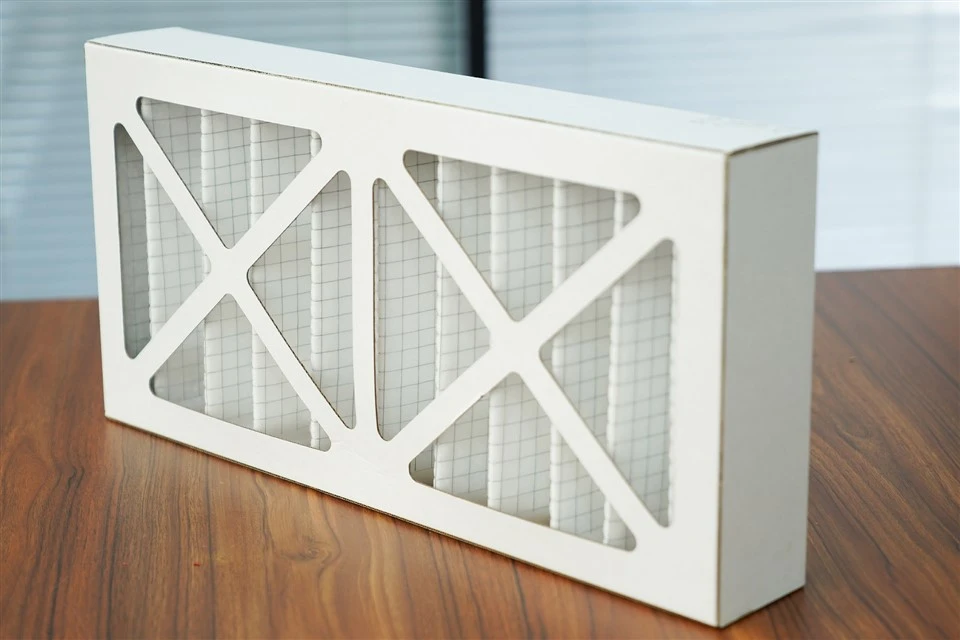

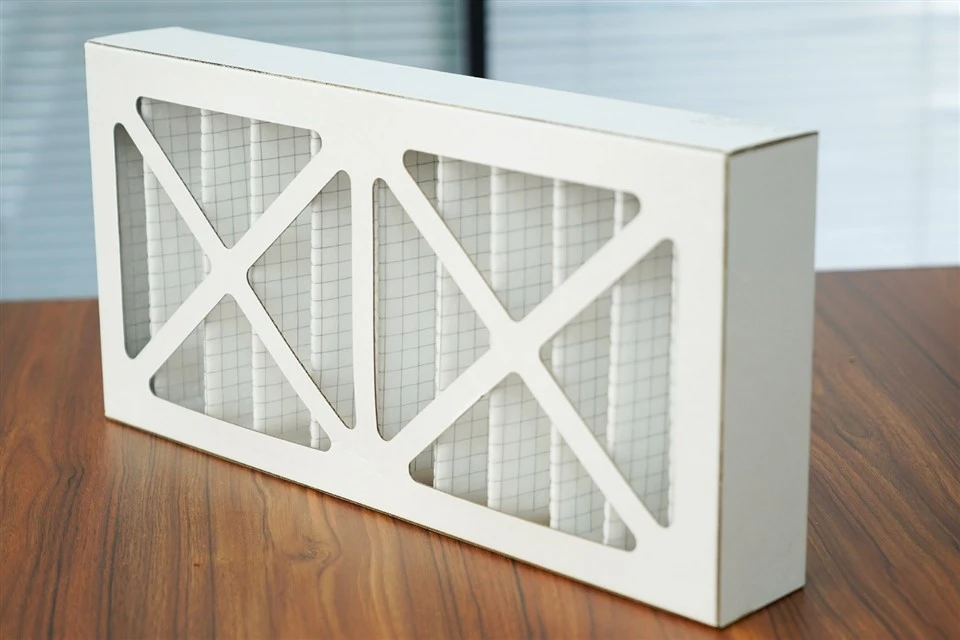
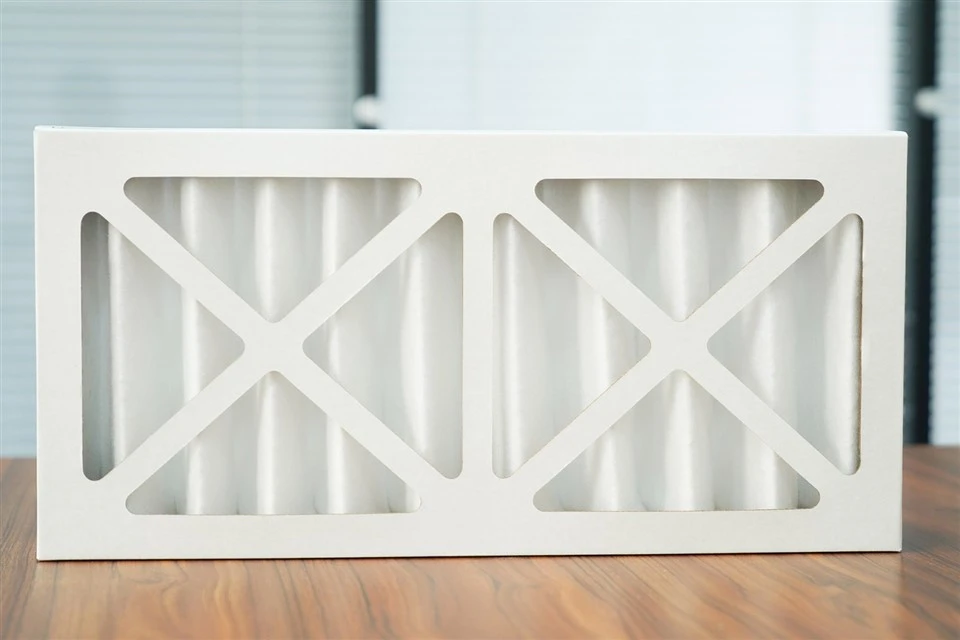
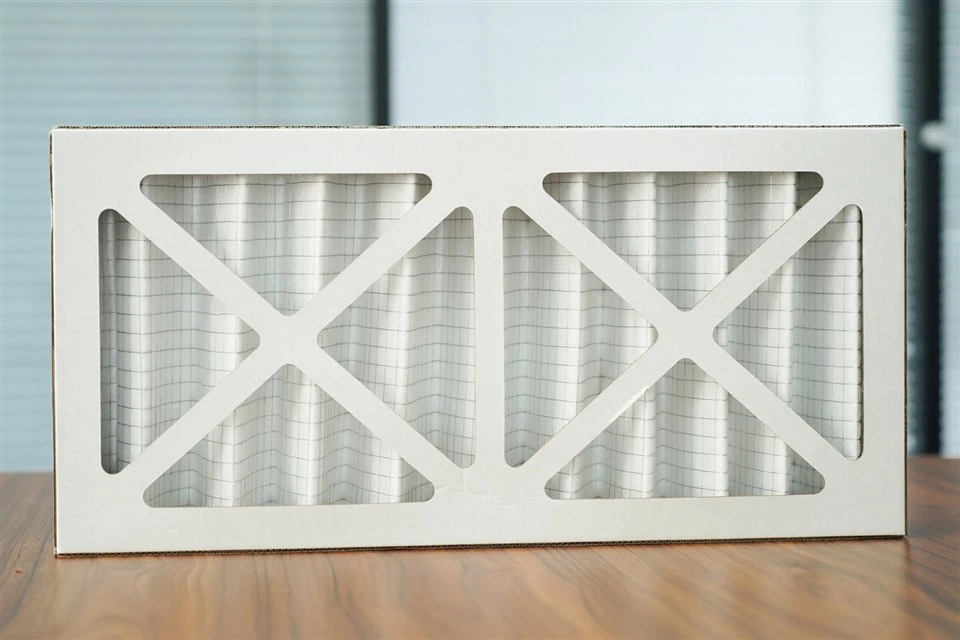
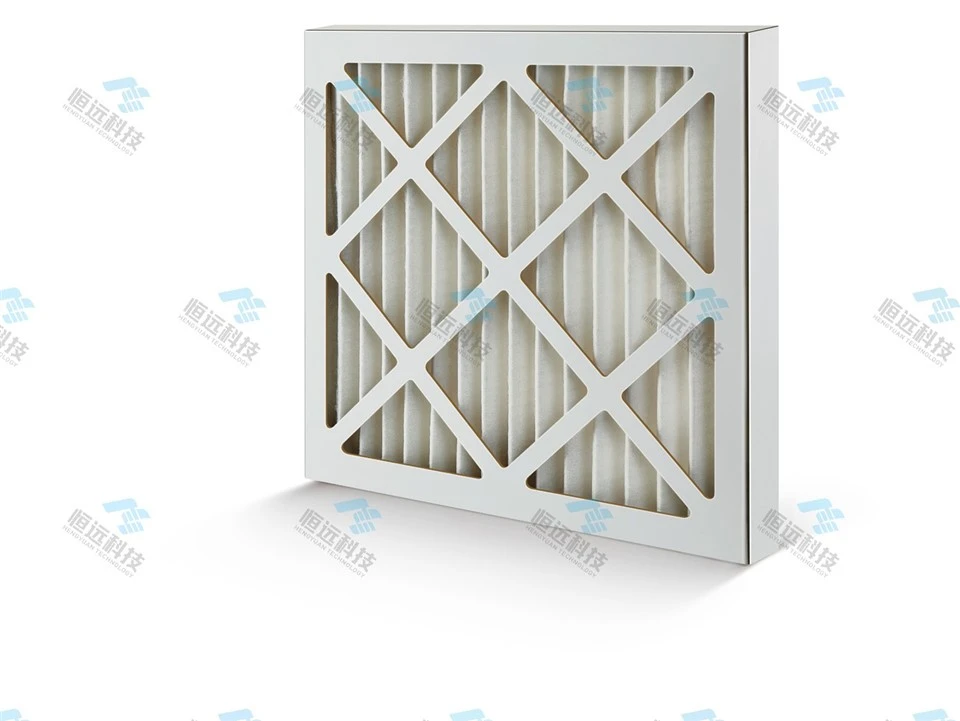
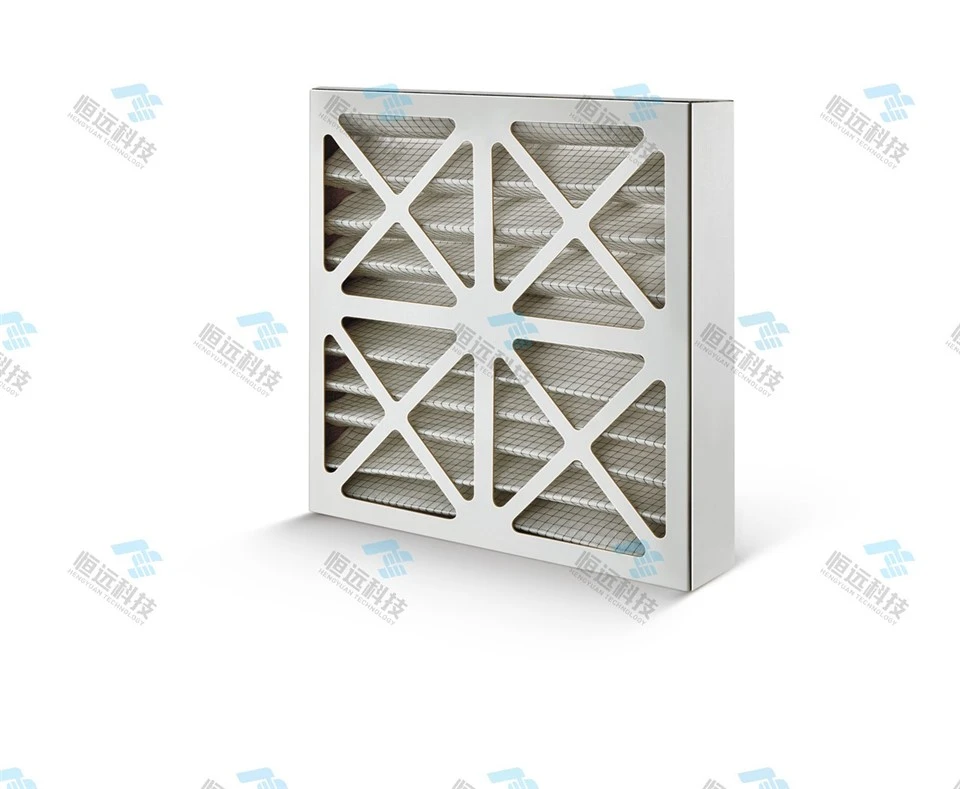
Detailed Explanation of G3/G4 Primary Efficiency Panel Pleated Air Filters
I. Core Functions and Efficiency Grading
G3/G4 filters serve as primary filtration units in air purification systems, primarily intercepting coarse particulates with diameters of 5-10μm (e.g., dust, pollen, fibers). Their efficiency grading is based on the EN 779 standard:
G3 Grade: Filtration efficiency ≥70% for particles ≥5μm (initial pressure drop ≈30Pa, final pressure drop 200Pa under ASHRAE standards).
G4 Grade: Filtration efficiency ≥90% for particles ≥5μm (initial pressure drop ≈38Pa, final pressure drop 250Pa under ASHRAE standards).
Typical Application Scenarios:
As prefilters for HVAC systems, cleanrooms, and industrial ventilation equipment, they extend the lifespan of downstream HEPA/ULPA filter elements and reduce maintenance costs. For example, in electronics factories, G4 filters can intercept over 80% of large particulates, prolonging the replacement cycle of HEPA filters by 40%.
II. Structural Design and Material Innovations
1. Pleated Structure Optimization
Through V-shaped or W-shaped pleat designs, the filtration area is increased by 30%-50% compared to traditional flat-panel filters, significantly reducing airflow resistance. For instance, a G4 pleated filter measuring 595×595×46mm can achieve an effective filtration area of 0.94㎡, while a flat-panel filter of the same size only offers 0.6㎡.
Metal Support Mesh: Covered with galvanized steel or aluminum mesh on the surface, it enhances mechanical strength, prevents filter media deformation, and extends service life to 8,000-12,000 hours (compared to 5,000-8,000 hours for traditional flat-panel filters).
2. Filter Media Upgrades
Polyester Fiber/Nylon Mesh: Wide temperature resistance range (-20℃ to 80℃), washable 2-3 times, suitable for environments with humidity ≤100%RH.
High-Temperature Fibrous Cotton: Some models (e.g., the KEL-AF series) support high-temperature conditions of 200-350℃, making them ideal for drying equipment and painting workshops.
3. Diverse Frame Options
Aluminum Alloy Frame: Lightweight (40% lighter than metal frames), highly corrosion-resistant, and compliant with cleanroom humidity control requirements.
Galvanized Steel/Plastic Frame: Lower cost, suitable for budget-sensitive projects.
III. Comparative Analysis of Performance Parameters
| Parameter | G3 Grade | G4 Grade | Traditional Flat-Panel Filter |
|---|---|---|---|
| Filtration Efficiency | ≥70% (≥5μm) | ≥90% (≥5μm) | ≥50% (≥5μm) |
| Initial Pressure Drop | 30Pa | 38Pa | ≥50Pa |
| Final Pressure Drop | 200Pa | 250Pa | 300Pa |
| Rated Airflow | 3000-3400m³/h (595×595×46mm) | 2800-3400m³/h (595×595×46mm) | 2000-2500m³/h (same size) |
| Replacement Cost | Reduced by 30% (extended lifespan) | Reduced by 30% (extended lifespan) | Higher |
Data Support:
Tests at a 12-inch wafer fab showed a 15% reduction in HVAC system energy consumption after adopting G4 pleated filters, saving over $200,000 annually in electricity costs.
G4 filters produced by Shenzhen Zhongjian Southern Environment have passed SEMI S2 certification, achieving a 98% interception rate for chemical contaminants in semiconductor wet processes.
IV. In-Depth Industry Application Analysis
1. Pharmaceutical Industry
Sterile Production Areas: G4 filters serve as prefilters for HEPA filter elements, intercepting microorganisms (e.g., bacteria, viruses) and particulates during drug production to ensure compliance with GMP standards. For example, after adopting a G4+H14 dual-stage filtration system, a biopharmaceutical company reduced the dynamic particle count (≥0.5μm) in its cleanroom from 3,520,000/m³ to ≤3,520/m³ (ISO Class 5).
Filling Line Air Protection: Prevent cross-contamination and ensure drug safety.
2. Semiconductor Industry
Wafer Manufacturing Environment: G4 filters remove silicon powder, metal particulates, and chemical vapors (e.g., HF, HCl) from the air, reducing wafer defect rates. A 12-inch wafer fab improved its yield by 2.3% and saved over $5 million annually after implementing a G4+U15 dual-stage filtration system.
Photolithography Process Protection: In conjunction with chemical filtration systems, they remove airborne organic contaminants (AMCs) to enhance photoresist imaging precision.
3. Commercial Buildings
Large Shopping Malls/Hospitals: G3 filters serve as primary filtration in HVAC systems, intercepting large particulates such as dust and pollen to extend the lifespan of medium-efficiency filters. For example, after adopting G3 filters, a Shanghai shopping mall reduced its HVAC system maintenance frequency by 50%.
V. Selection and Maintenance Guidelines
1. Selection Considerations
Efficiency Matching: Choose G3 (ISO Class 7-8) or G4 (ISO Class 5-6) based on cleanroom classification.
Airflow Calculation: Ensure the filter's rated airflow is ≥110% of the system's design airflow to avoid excessive pressure drops.
Certification Requirements: Prioritize products certified under EU GMP, FDA 21 CFR Part 11, etc.
2. Maintenance Strategies
Differential Pressure Monitoring: Replace filter elements when the final pressure drop reaches twice the initial pressure drop (typically ≤600Pa).
Integrity Testing: Conduct DOP/PAO scanning tests every six months to ensure no leaks.
Waste Disposal: Filter elements containing chemical contaminants must be disposed of in accordance with hazardous waste regulations.
Hot Tags: g3 g4 primary efficiency panel pleated air filter, China g3 g4 primary efficiency panel pleated air filter manufacturers, suppliers, factory, air filter for laboratories, Air Purifier Air Filter Element, automotive air filter, dust air filter, particulate air filter, wholesale air filters