


our Products
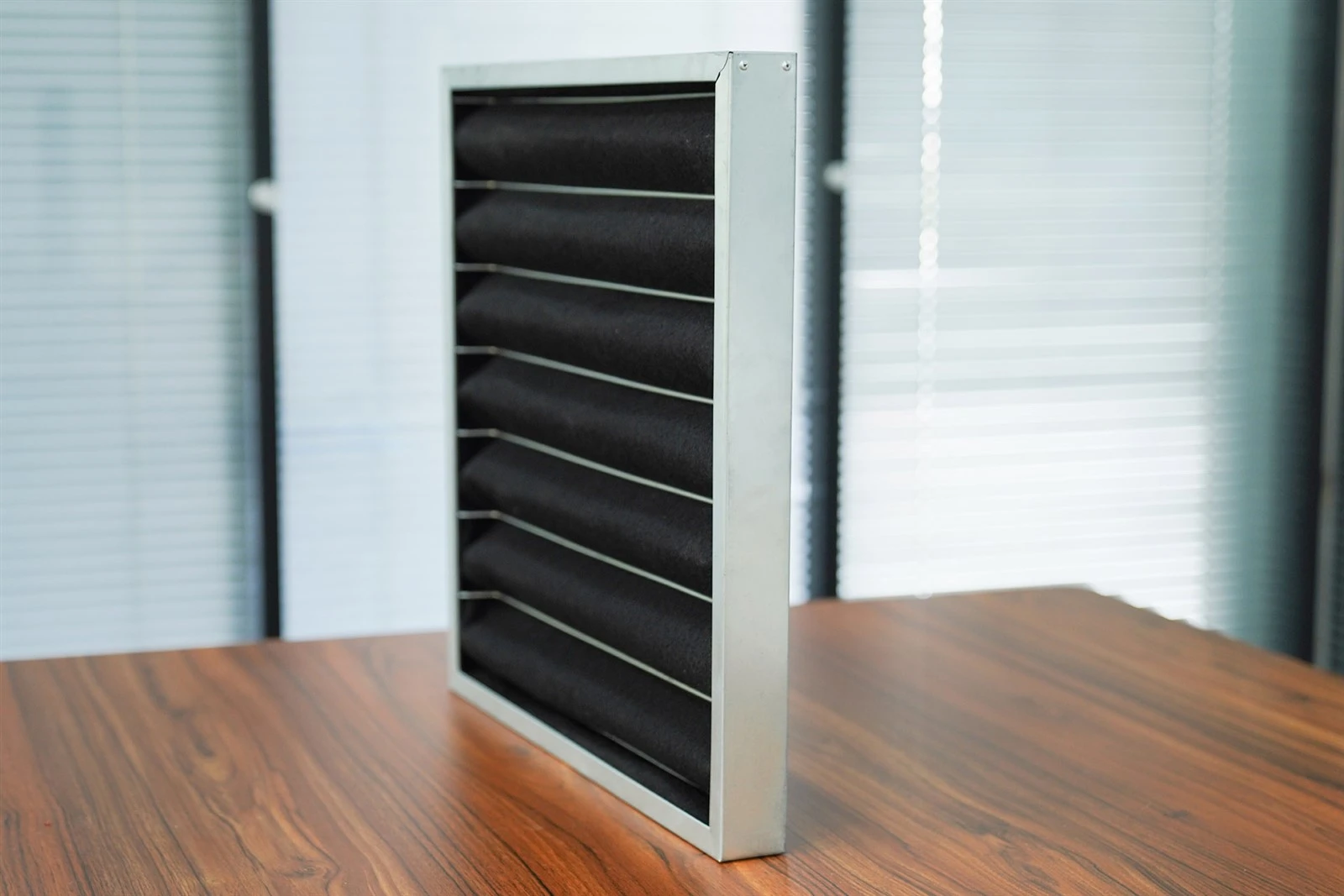
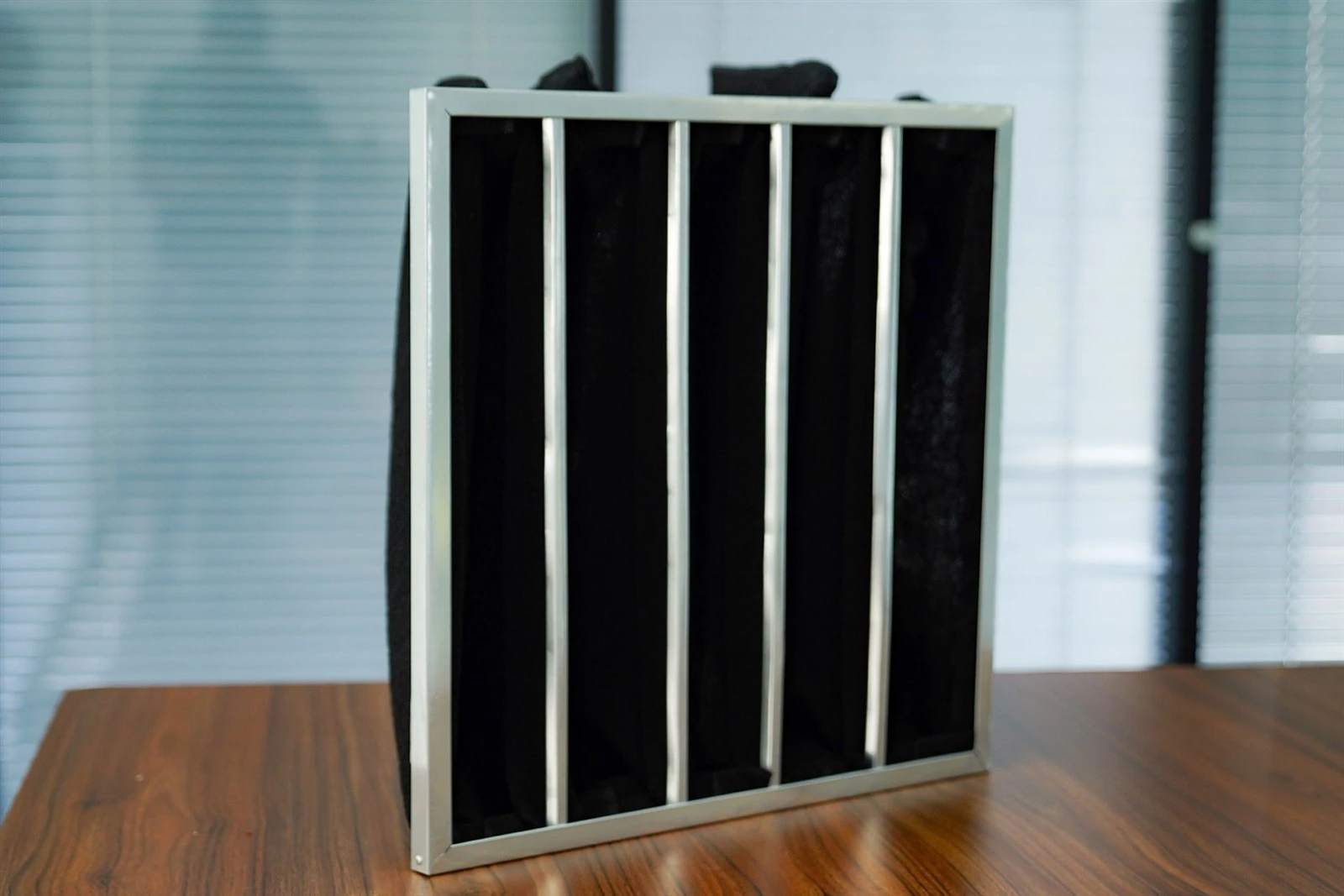
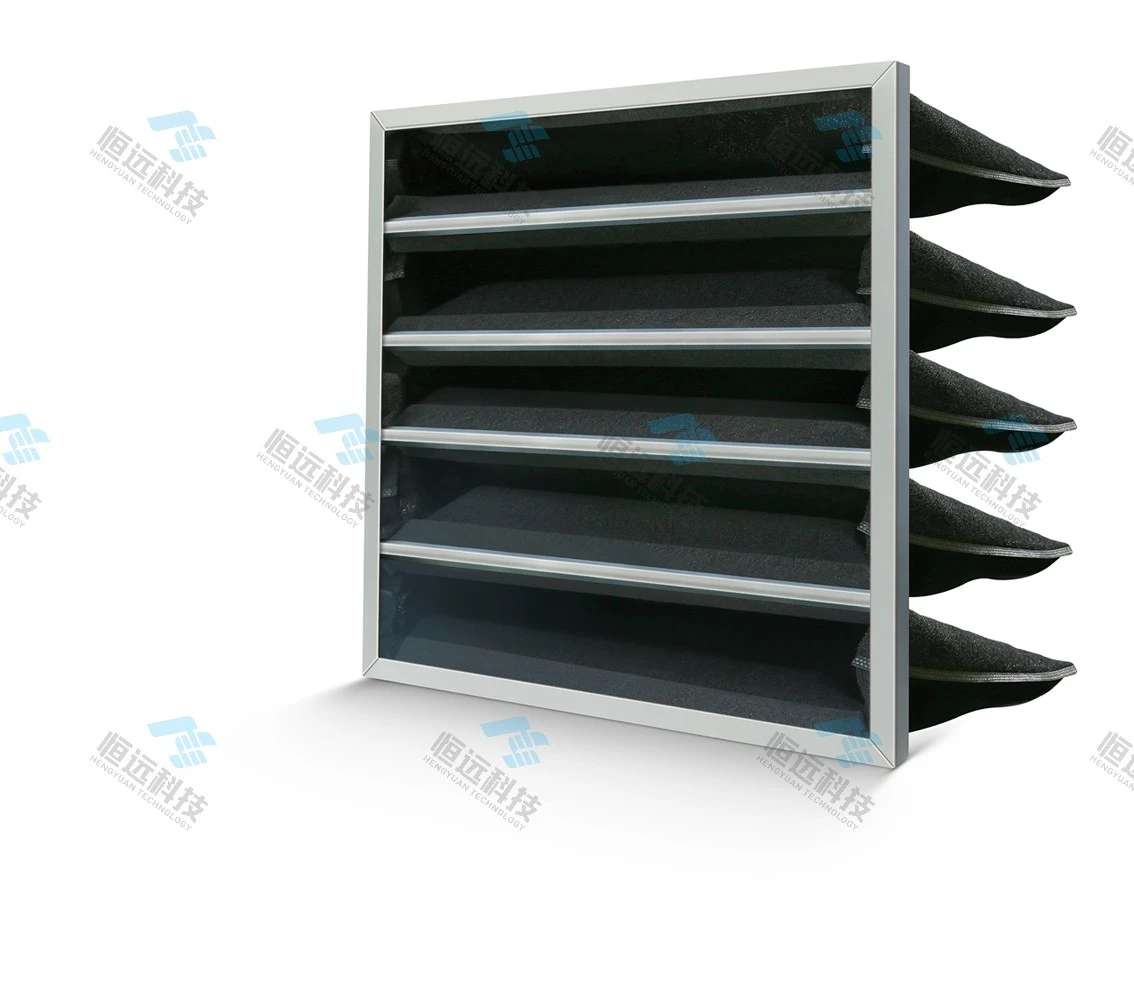
Products Classification
The classification and functions of activated carbon air filters can be elaborated upon from multiple dimensions.
Classification:
Activated carbon air filters can be divided into various types based on their structural forms, materials, and applications. Below are some common classification methods:
Classification by Structural Form:
Honeycomb Block Activated Carbon Filter: Employing a well-developed honeycomb structure with high pore density, low fluid resistance, and large specific surface area, it boasts excellent adsorption properties. It is suitable for treating organic waste gases with high airflow and low concentration, as well as for indoor air purification and kitchen oil smoke purification.
Box-type Activated Carbon Filter: Utilizing a cylindrical structure with replaceable adsorption media and reusable metal housing, it can be combined into various forms based on different airflow requirements, such as 4x4=16 cylinders or 2x2=4 cylinders. This filter can eliminate various odors from the air while also providing dust removal and odor adsorption capabilities.
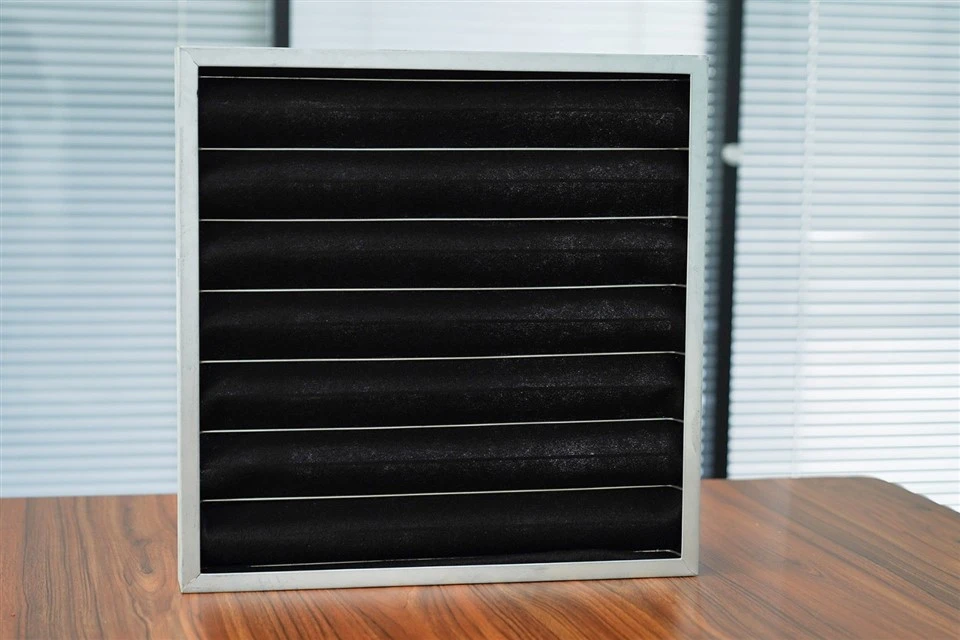
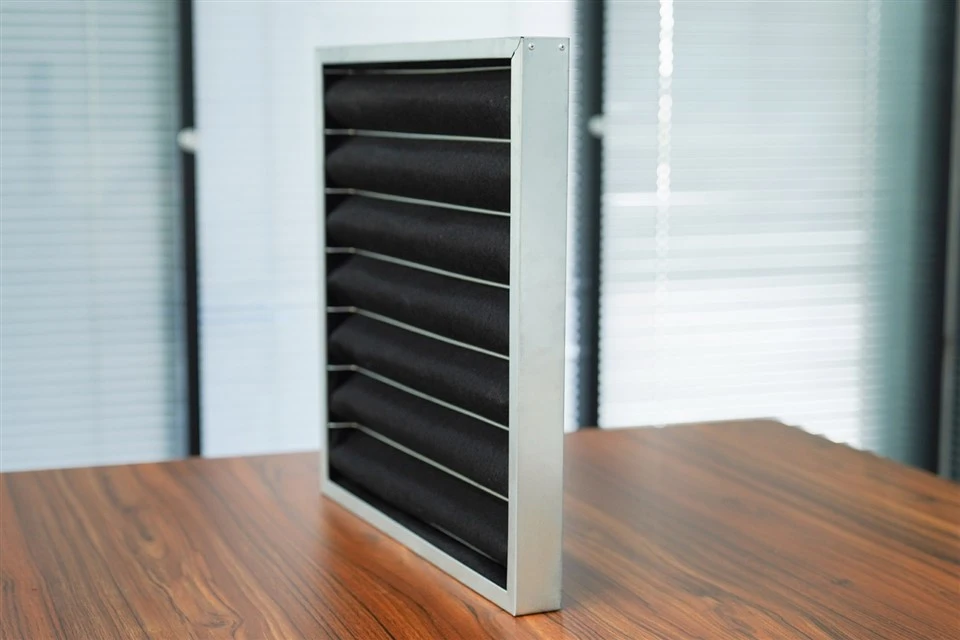
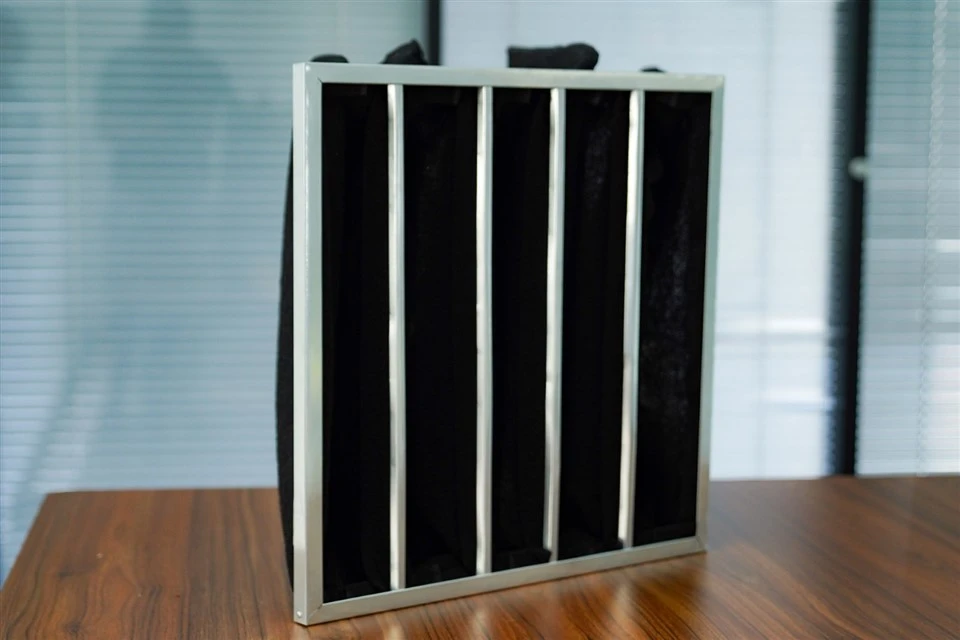
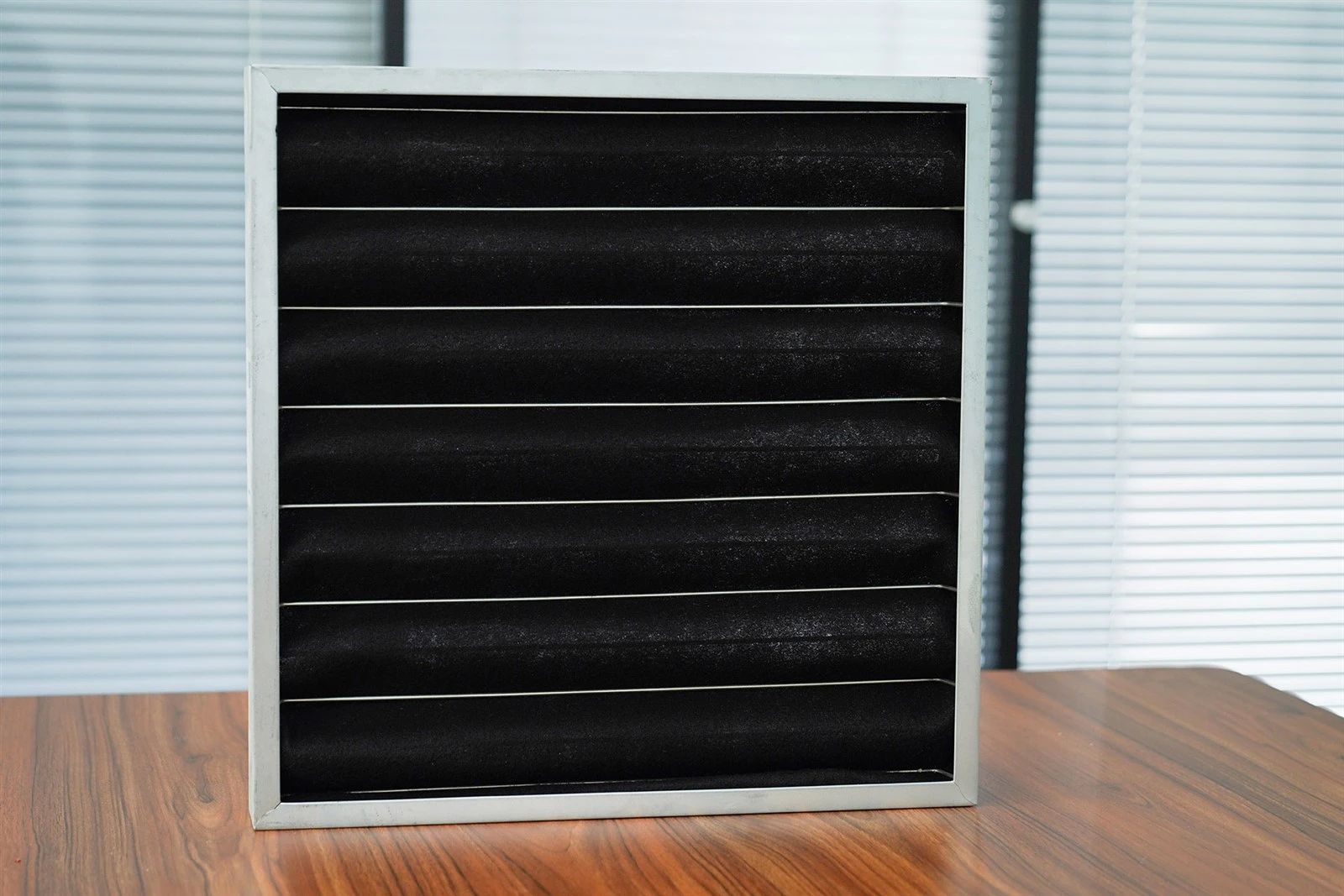
Flat Plate, Pleated Plate, Bag-type, etc.: While these filters may not directly use activated carbon as the primary material, in some designs, activated carbon can be incorporated as part of the filtration layer to enhance its adsorption capabilities.
Classification by Material:
Activated Carbon Fiber Filter: Leveraging the powerful adsorption properties of activated carbon fibers, it effectively adsorbs and eliminates toxic, harmful, and odorous gases and bacteria in the air.
Granular Activated Carbon Filter: Using granular activated carbon as the filtration medium, it boasts a large specific surface area and strong adsorption capacity.
Classification by Application:
Fresh Air Treatment Filter: Used for treating fresh air in clean air conditioning systems, typically as a coarse or medium-efficiency filter. Sometimes, an activated carbon layer is added to enhance the removal of chemical contaminants.
Indoor Air Supply Filter: Commonly used as the final filter in clean air conditioning systems, it can incorporate an activated carbon layer to improve air cleanliness.
Chemical Filter: Specifically designed to remove chemical contaminants from the air, activated carbon is a commonly used adsorption material in these filters.
Functions:
The primary functions of activated carbon air filters include:
Adsorbing Harmful Gases: With their developed pore structure and abundant micropores, activated carbon can rapidly adsorb harmful gases in the air, such as formaldehyde, benzene, and TVOCs.
Removing Odors: Activated carbon also effectively adsorbs odor molecules in the air, significantly improving indoor air quality.
Purifying Air: By adsorbing harmful gases and odor molecules, activated carbon air filters can effectively purify the air, providing a healthier and more comfortable living environment.
Safe and Environmentally Friendly: Operating on the principle of physical adsorption, activated carbon filters require no chemical additives, posing no harm to humans and offering anti-mildew and anti-corrosion effects on furniture.
In conclusion, activated carbon air filters have extensive application prospects and significant functional value in the field of air purification. As people's demands for indoor air quality continue to rise, the technology of activated carbon air filters will also continuously innovate and develop.
Hot Tags: hospital wards, office buildings, and chemical industry activated carbon air filters., China hospital wards, office buildings, and chemical industry activated carbon air filters. manufacturers, suppliers, factory, HL500 I Polyester Needle Punched Filter Material, Combine High Efficiency Air Filter, HYPALL Water Filter Element, HL500 IV Water Repellent Polyester Filter Material, HZL Series Medium Efficiency Air Filter, Microporous PP Folded Filter Element