

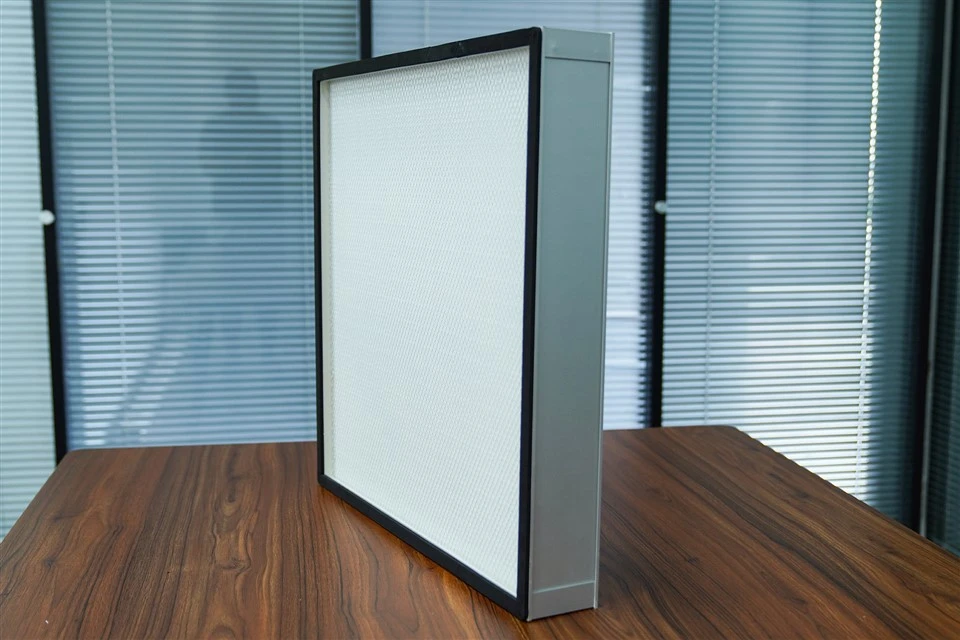

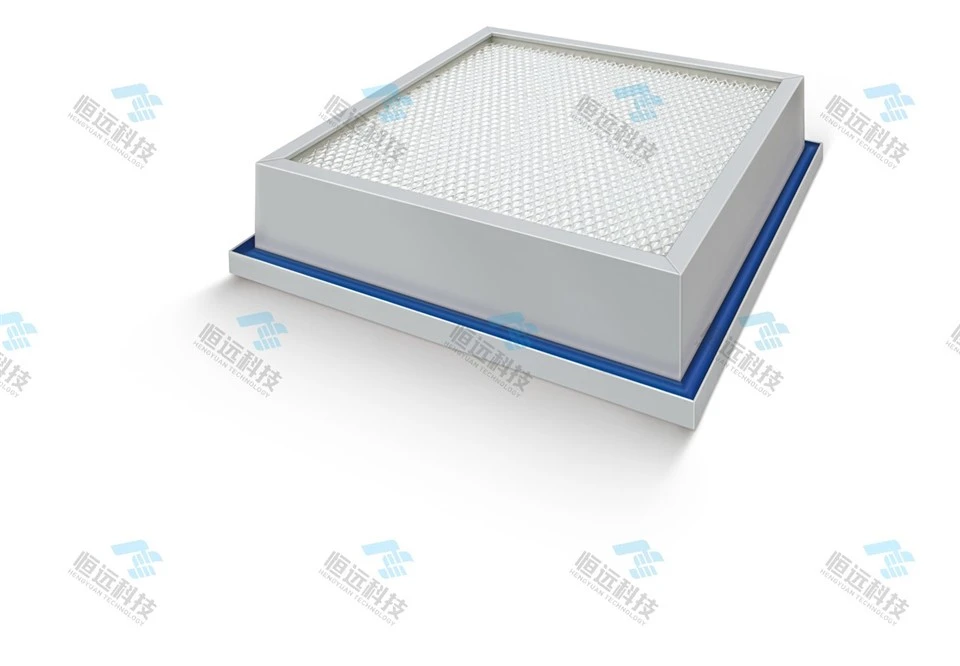
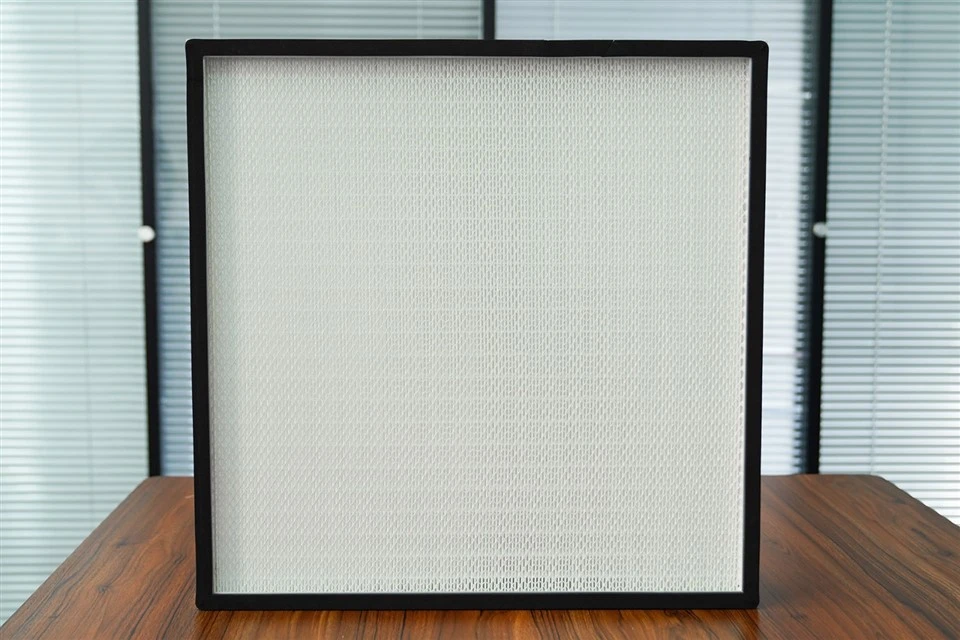
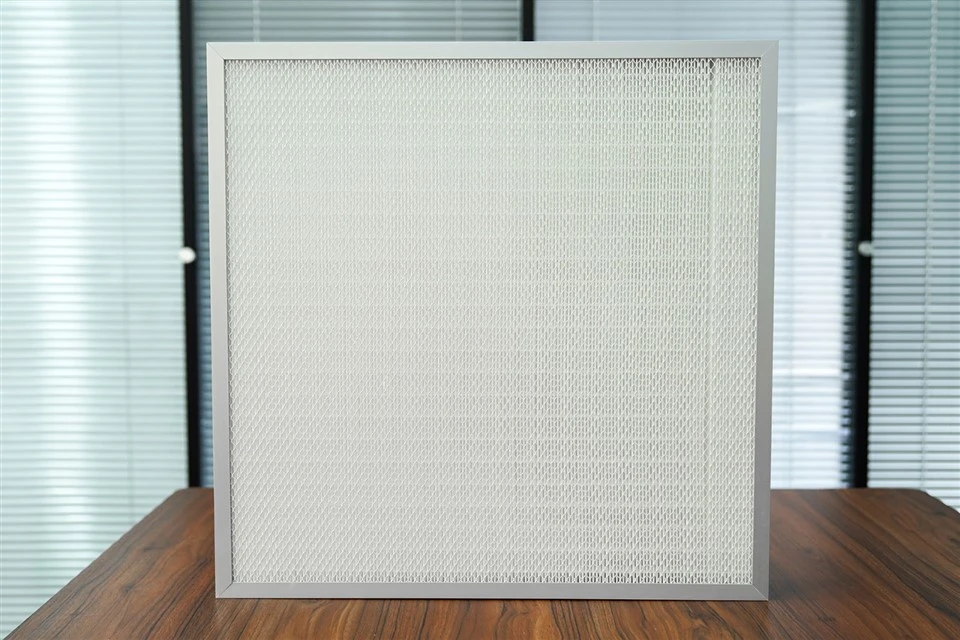
Analysis of Key Characteristics and Applications of High Specific Surface Area and High Dust Capacity HEPA Filters in Air Purifier Replacement Filter Elements
I. Core Characteristics Analysis
1. High Specific Surface Area
Definition: The total surface area per unit mass or volume of material (m²/g or m²/cm³). HEPA filters achieve a surface area 3–5 times larger than traditional filters through folding or optimized fiber structures.
Mechanism of Action:
Increases the probability of particle contact, enhancing interception efficiency.
Extends the airflow path, strengthening filtration mechanisms such as inertial impaction, interception, and diffusion.
Application Example: A certain brand's HEPA filter has an unfolded area of 8 m², while the filter element volume is only 0.02 m³, resulting in a specific surface area of 400 m²/m³. It efficiently captures 0.3 μm particles.
2. High Dust Capacity
Definition: The total amount of particulate matter a filter can accommodate while maintaining rated efficiency (typically measured in grams or milligrams per gram of filter media).
Implementation Methods:
Utilizes electrostatically charged fibers to enhance particle adhesion.
Optimizes fiber diameter (e.g., 0.5–2 μm) and porosity (>90%) to balance filtration efficiency and dust capacity.
Data Comparison: Ordinary HEPA filters have a dust capacity of approximately 50 g/m², whereas high dust capacity filters can reach 150–200 g/m², extending lifespan by 2–3 times.
II. Key Roles of HEPA Filters in Air Purifiers
1. Filtration Efficiency
Achieves ≥99.97% filtration efficiency for 0.3 μm particles (e.g., PM2.5, bacteria, virus carriers) (H13-grade HEPA standard).
Approaches 100% efficiency for larger particles (e.g., pollen, dust).
2. Long-Term Performance
High dust capacity design reduces filter clogging frequency, maintaining stable airflow and CADR (Clean Air Delivery Rate).
Example: An air purifier with an initial CADR of 500 m³/h experiences <10% CADR decline within 6 months when using a high dust capacity HEPA filter.
3. Low-Resistance Design
Controls pressure drop within 20–50 Pa through optimized fiber structures and airflow simulations, reducing fan energy consumption and noise.
III. Filter Element Replacement and Maintenance Recommendations
1. Replacement Cycle
Calculated based on usage environment and dust capacity:
Ordinary households (daily average PM2.5 < 50 μg/m³): 6–12 months.
Heavily polluted environments (daily average PM2.5 > 150 μg/m³): 3–6 months.
Monitoring Indicators: Replace when filter resistance increases by 20% or CADR decreases by 15%.
2. Replacement Steps
Turn off the power and open the filter compartment door.
Remove the old filter and clean dust inside the compartment.
Install the new filter (ensure the arrow direction aligns with airflow).
Reset the filter lifespan counter (if supported by the device).
3. Precautions
Avoid washing HEPA filters with water to prevent damage to the fiber structure.
Wear a mask during replacement to prevent dust dispersion from the filter surface.
IV. Market Trends and User Value
1. Technological Upgrades
Composite Filter Technology: Combines HEPA, activated carbon, and antibacterial layers to enhance comprehensive purification capabilities.
Smart Monitoring: Integrates particulate matter sensors to provide real-time filter status alerts.
2. User Benefits
Reduces long-term usage costs (decreases replacement frequency).
Improves air quality, reducing the risk of respiratory diseases.
Saves energy and reduces noise, optimizing user experience.
V. Purchase Recommendations
1. Certification Standards
Prioritize products certified by EN1822 (Europe), MERV (USA), or GB/T 13554 (China).
2. Parameter Comparisons
Filter Grade: H13 or above (medical-grade filtration).
Dust Capacity: ≥150 g/m².
Suitable Area: Match based on the purifier's CADR and room volume.
3. Brand Selection
Recommended Brands: 3M, Honeywell, Blueair (mature technology, long filter lifespan).
Cost-Effective Brands: Xiaomi, Philips (suitable for budget-conscious users).
Summary
High specific surface area and high dust capacity HEPA filters significantly enhance air purifier efficiency and lifespan through structural optimization and material innovation. Users should prioritize filter grade, dust capacity, and certification standards when purchasing and develop a reasonable replacement plan based on usage environment to achieve optimal purification.
Hot Tags: large specific surface area high dust capacity hepa filter air purifier replacement filter element air filtration, China large specific surface area high dust capacity hepa filter air purifier replacement filter element air filtration manufacturers, suppliers, factory, AHU Filter Pocket Air Bag Filter, air filter for buses, air filter manufacturer, Fan Filter Unit, High Efficiency Air Filter without Partition, wholesale air filters