

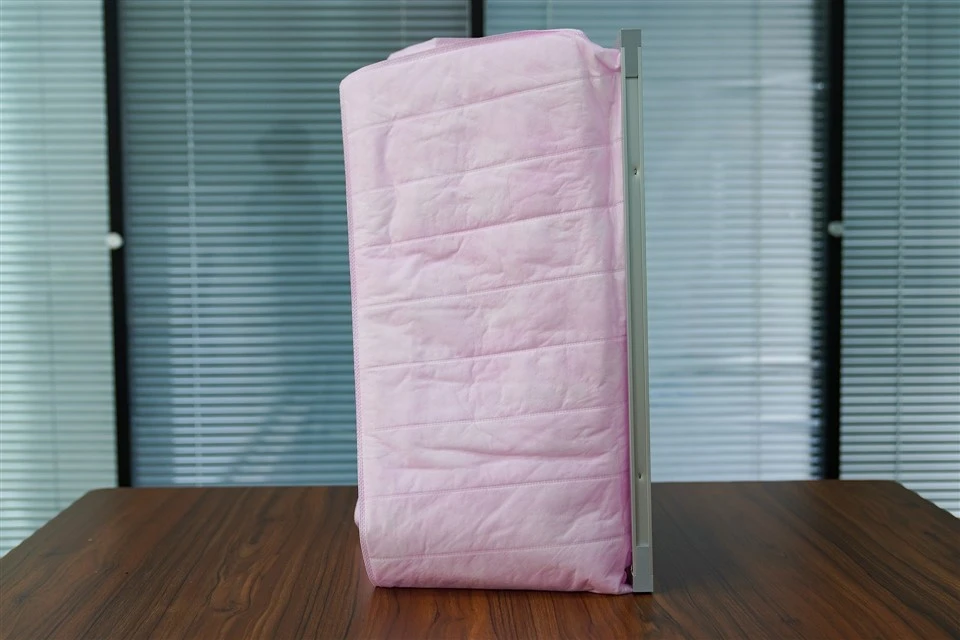

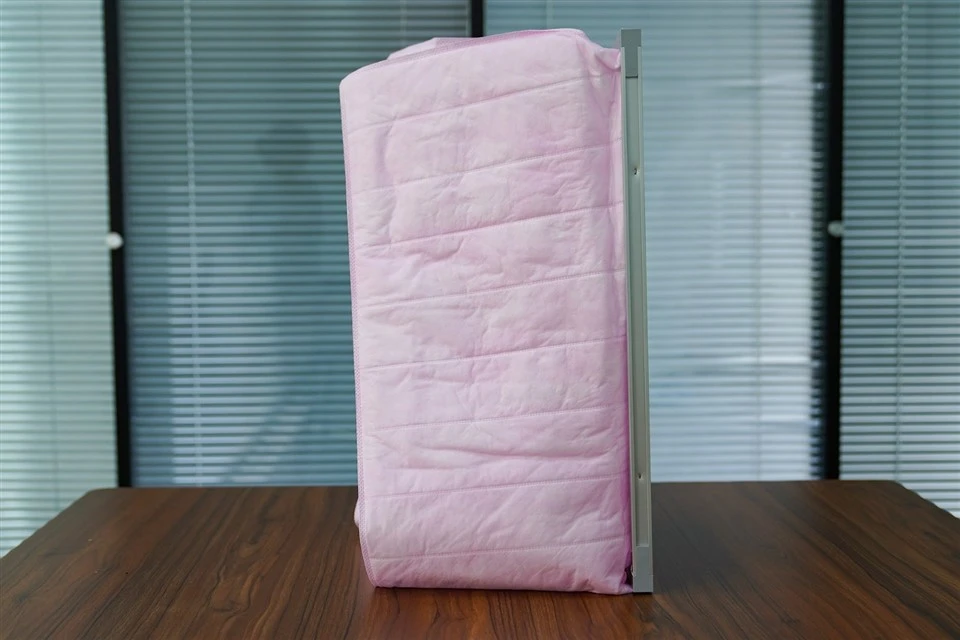
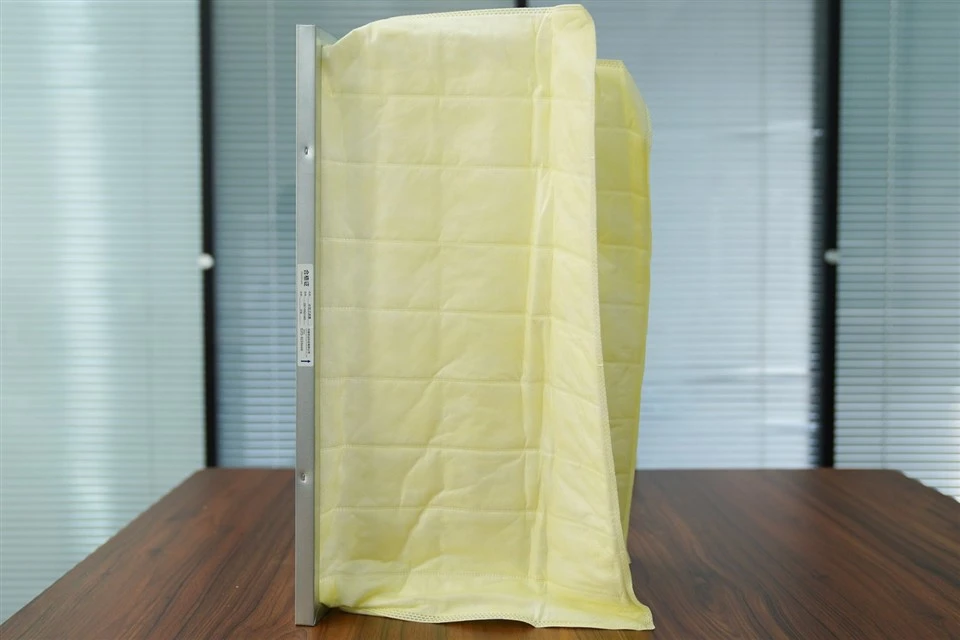
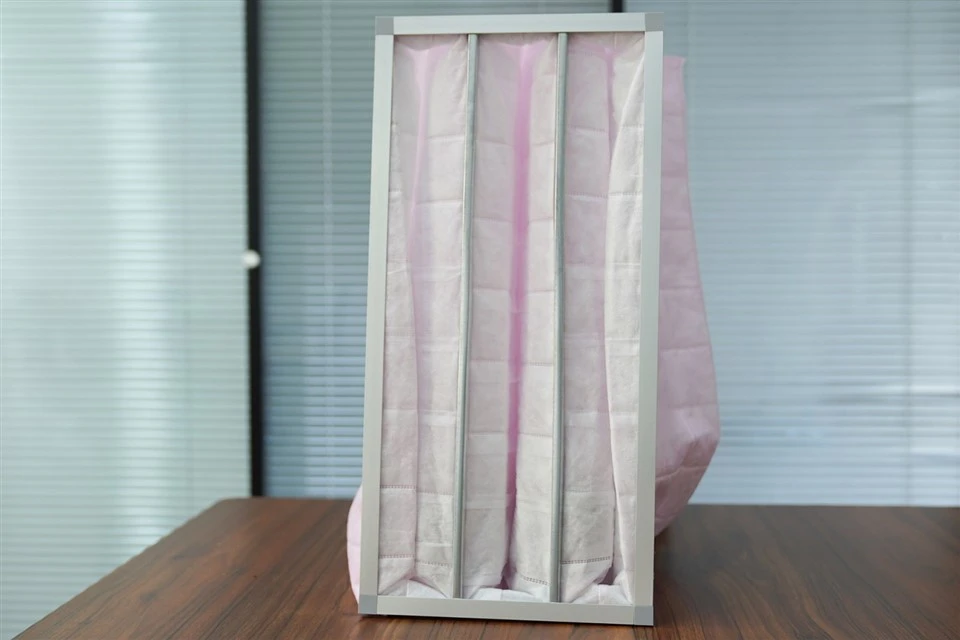
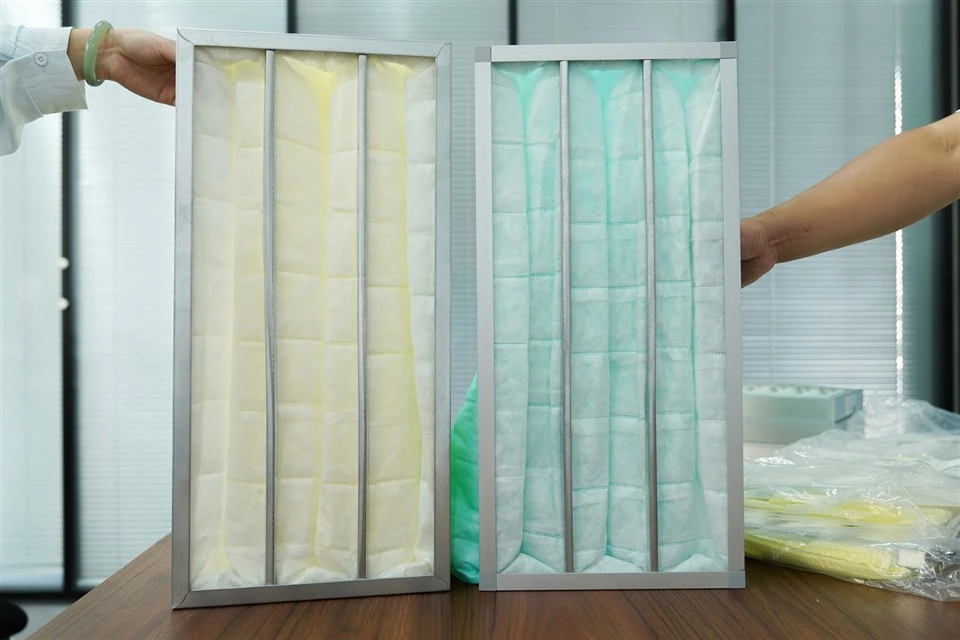
Medium-efficient washable synthetic fiber industrial dust bag pocket filters and clean room air filters are essential components in maintaining air quality across various industrial and controlled environments. Below is a detailed breakdown of their characteristics, applications, advantages, and maintenance considerations:
1. Medium-Efficient Washable Synthetic Fiber Industrial Dust Bag Pocket Filter
Key Features
Material: Made from synthetic fibers (e.g., polyester, polypropylene, or a blend) that are washable and reusable.
Efficiency: Typically rated MERV 8–12 (Medium Efficiency), capturing particles 3–10 microns in size (e.g., dust, pollen, mold spores).
Structure:
Pocket Design: Multiple pleated pockets increase surface area for better dust-holding capacity.
Frame: Rigid metal or plastic frame to maintain shape during operation and washing.
Washability: Can be cleaned with water, compressed air, or mild detergents for reuse, reducing long-term costs.
Applications
General Industrial Ventilation:
Pre-filtration in HVAC systems to protect high-efficiency filters.
Dust collection in woodworking, metalworking, and food processing.
Commercial Buildings:
Office buildings, shopping malls, and hospitals for maintaining indoor air quality.
Light Manufacturing:
Pharmaceuticals, cosmetics, and electronics (where moderate filtration is sufficient).
Advantages
Cost-Effective: Lower initial and operational costs compared to disposable filters.
Eco-Friendly: Reduces waste by eliminating frequent replacements.
Durable: Synthetic fibers resist moisture, chemicals, and abrasion.
Easy Maintenance: Quick to clean and reinstall.
Limitations
Not Suitable for Fine Particles: Cannot capture sub-micron particles (e.g., viruses, smoke).
Limited Lifespan: Repeated washing may degrade fibers over time.
2. Clean Room Air Filter (High-Efficiency Particulate Air - HEPA or ULPA Pre-Filter)
Key Features
Material: Synthetic fibers (often combined with glass fibers for HEPA/ULPA) with a gradient density structure.
Efficiency:
Pre-Filter Stage: MERV 13–16 (captures 0.3–3 microns).
HEPA Filters: 99.97% efficient at 0.3 microns (used in clean rooms).
ULPA Filters: 99.9995% efficient at 0.12 microns (for ultra-clean environments).
Structure:
Pleated Design: Maximizes surface area for low pressure drop.
Sealed Frame: Prevents air bypass in critical applications.
Non-Washable: Typically disposable due to delicate fiber structure (though some industrial HEPA filters can be cleaned by professionals).
Applications
Clean Rooms (Class 100–100,000):
Semiconductor manufacturing, pharmaceuticals, biotechnology, and medical device production.
Laboratories:
Research facilities requiring sterile air (e.g., virology labs).
Critical Manufacturing:
Aerospace, optics, and nanotechnology.
Advantages
High Purity: Removes >99% of airborne contaminants.
Consistent Performance: Maintains efficiency throughout service life.
Customizable: Available in various sizes and efficiency ratings.
Limitations
High Cost: Initial investment and replacement costs are significant.
Non-Washable: Disposal required after clogging (except for specialized industrial models).
Pressure Drop: Higher resistance compared to medium-efficiency filters.
Comparison Table
| Feature | Medium-Efficient Washable Filter | Clean Room Air Filter (HEPA/ULPA) |
|---|---|---|
| Efficiency | MERV 8–12 (3–10 microns) | MERV 13–16 (HEPA: 0.3 microns) |
| Washability | Yes (reusable) | No (disposable, except industrial) |
| Cost | Low (initial + operational) | High (initial + replacement) |
| Applications | General industrial, commercial | Clean rooms, labs, critical manufacturing |
| Lifespan | Moderate (depends on washing cycles) | Long (until clogged) |
| Maintenance | Regular cleaning | Periodic replacement |
Selection Criteria
Required Efficiency:
Choose medium-efficient filters for general dust control.
Opt for HEPA/ULPA for sterile environments.
Airflow Requirements:
Higher-efficiency filters increase pressure drop; ensure HVAC systems can handle it.
Environmental Conditions:
Washable filters suit humid or corrosive environments.
Clean room filters need temperature/humidity control.
Budget:
Balance upfront costs with long-term savings (washable vs. disposable).
Maintenance Best Practices
For Washable Filters:
Cleaning Frequency: Every 3–6 months (or when pressure drop increases by 25%).
Method:
Rinse with low-pressure water or use a vacuum cleaner.
Avoid harsh chemicals or brushes that damage fibers.
Drying: Air-dry completely before reinstallation to prevent mold growth.
For Clean Room Filters:
Monitoring: Use pressure gauges to track clogging.
Replacement: Follow manufacturer guidelines (typically every 1–3 years).
Seal Check: Ensure no air leaks around the filter frame.
Conclusion
Medium-efficient washable filters are ideal for cost-effective, moderate-duty air filtration in industrial and commercial settings.
Clean room air filters (HEPA/ULPA) are mandatory for environments requiring ultra-clean air, despite higher costs.
For optimal performance, consult with filtration specialists to match the filter type to your specific air quality needs and operational constraints.
Hot Tags: medium efficient washable synthetic fiber industrial dust bag pocket filter clean room air filter, China medium efficient washable synthetic fiber industrial dust bag pocket filter clean room air filter manufacturers, suppliers, factory, air filter for clean rooms, air filter for compressors, hepa air filter, High quality Plate Air Filter, High Temperature Resistant High Efficiency Air Filter, purchase air filters