

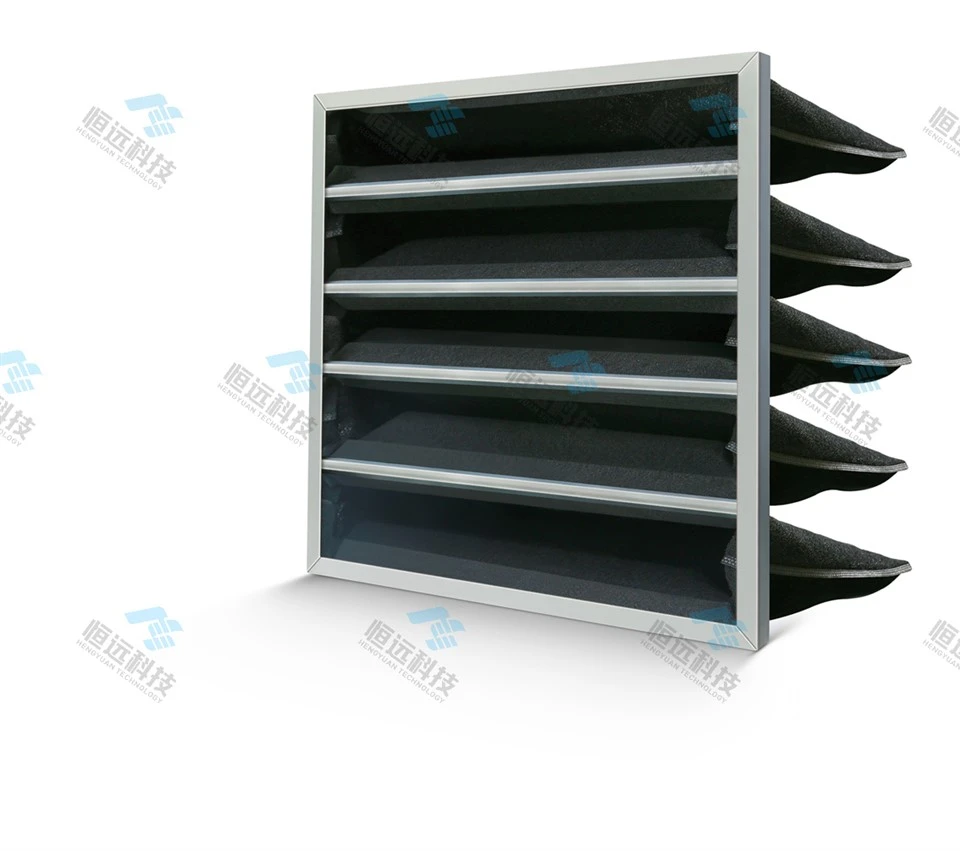

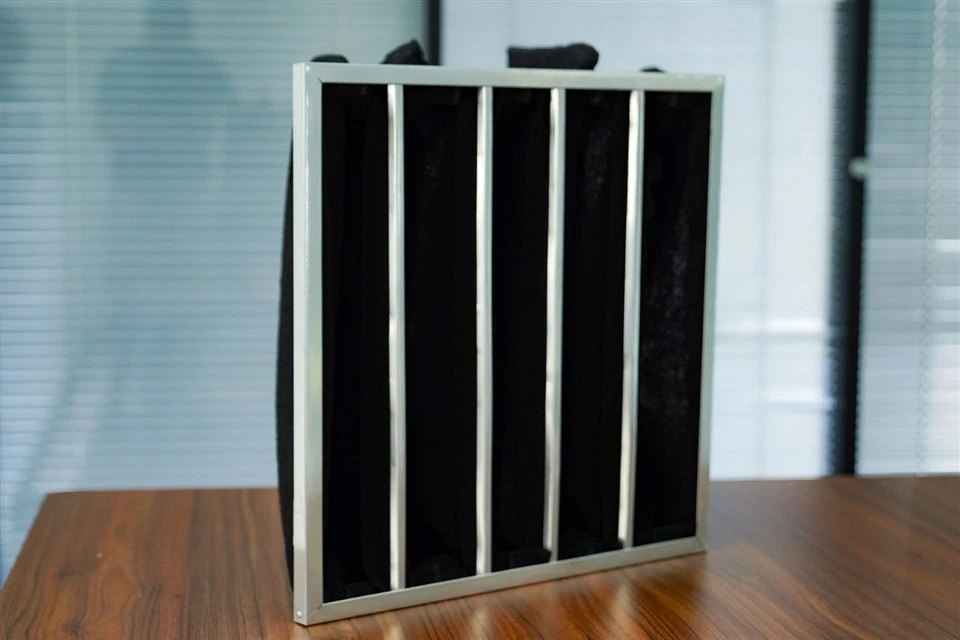
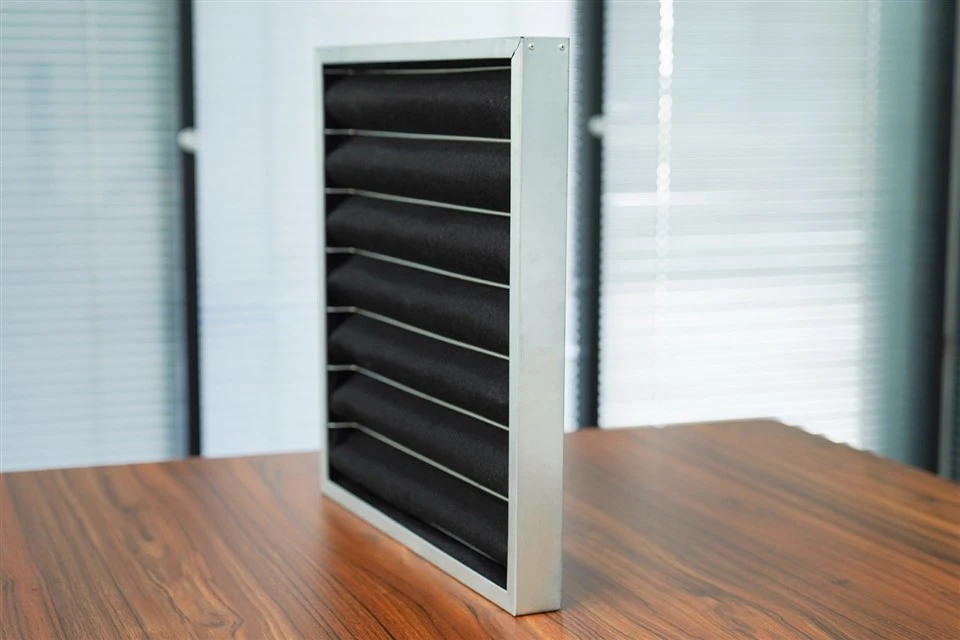

Activated Carbon Pocket, Pleated Panel, & Chemical Air Filters: A Comprehensive Overview
This guide compares activated carbon pocket filters, pleated panel filters, and specialized chemical filters, highlighting their functions, applications, and suitability for different air quality needs.
1. Activated Carbon Pocket Air Filter
Function & Features
Adsorption of Gases/Odors: Removes volatile organic compounds (VOCs), smoke, cooking odors, and chemical fumes.
Particulate Filtration (Secondary): Some models include a pre-filter layer to trap larger dust particles.
Portable & Flexible: Comes in pocket-style designs for easy installation in residential HVAC systems, standalone air purifiers, or industrial ductwork.
Key Applications
Residential: Eliminates pet odors, cigarette smoke, and chemical off-gassing from furniture/paint.
Commercial: Reduces odors in restaurants, hotels, and waste management facilities.
Industrial: Absorbs toxic gases (e.g., formaldehyde, benzene) in manufacturing plants.
Pros & Cons
| Pros | Cons |
|---|---|
| Effective against odors/VOCs | Limited lifespan (1–3 months) |
| Low airflow resistance | Does not filter fine particulates well |
| Affordable for odor control | Requires frequent replacement |
Best For:
Homes/offices needing odor/gas removal but not fine particle filtration.
2. Pleated Panel Air Filter
Function & Features
High Particulate Efficiency: MERV 8–13 ratings trap dust, pollen, mold spores, and pet dander.
Large Surface Area: Pleated design increases dust-holding capacity.
Durable Construction: Typically made of synthetic media with a rigid frame (cardboard, metal, or plastic).
Key Applications
Residential HVAC: Protects furnaces/AC units from dust buildup.
Commercial Buildings: Improves indoor air quality in offices and schools.
Hospitals/Cleanrooms: Higher MERV ratings (11–13) capture bacteria and allergens.
Pros & Cons
| Pros | Cons |
|---|---|
| High efficiency for particles | Higher pressure drop vs. flat filters |
| Longer lifespan (3–6 months) | Less effective against gases/odors |
| Cost-effective for particle control | May require HVAC modifications for MERV 13+ |
Best For:
General dust/allergen reduction in HVAC systems.
3. Chemical Air Filter (Specialized)
Function & Features
Targeted Gas Removal: Uses activated carbon, potassium permanganate, or other chemical media to neutralize specific contaminants (e.g., acid gases, ammonia).
Customizable Media: Tailored for industrial applications (e.g., semiconductor manufacturing, chemical plants).
High Capacity: Designed for continuous use in harsh environments.
Key Applications
Industrial: Removes sulfur dioxide (SO₂), hydrogen sulfide (H₂S), and other toxic gases.
Laboratories: Filters corrosive fumes from experiments.
Healthcare: Neutralizes anesthetic gases in operating rooms.
Pros & Cons
| Pros | Cons |
|---|---|
| Removes specific hazardous gases | Expensive and complex to maintain |
| Long-term protection in high-risk environments | Requires professional installation |
| Often paired with HEPA for dual protection | Not suitable for residential use |
Best For:
Industrial/healthcare settings needing targeted gas removal.
Comparison Table
| Filter Type | Primary Function | Efficiency Range | Cost | Lifespan | Best Use Case |
|---|---|---|---|---|---|
| Activated Carbon Pocket | Odor/gas removal | Low (particles) / High (gases) | Low–Medium | 1–3 months | Residential odor control |
| Pleated Panel | Particulate filtration | MERV 8–13 | Medium | 3–6 months | General HVAC dust reduction |
| Chemical Filter | Targeted gas neutralization | High (specific gases) | High | 6–12 months | Industrial/healthcare gas removal |
Which Filter Should You Choose?
For Odors/Gases: Activated Carbon Pocket Filter (e.g., pet smells, smoke).
For Dust/Allergens: Pleated Panel Filter (e.g., MERV 11 for pollen, MERV 13 for smoke).
For Toxic Gases: Chemical Filter (e.g., industrial fumes, lab chemicals).
Hybrid Solutions
Multi-Stage Filtration: Combine a pleated panel (MERV 11–13) + activated carbon for homes needing both particle and odor control.
Industrial Systems: Use a chemical filter + HEPA for comprehensive gas/particle removal.
Final Recommendations
Residential: Opt for a pleated panel (MERV 8–11) + activated carbon pocket for balanced protection.
Commercial: Upgrade to MERV 13 pleated panels for better IAQ.
Industrial: Invest in chemical filters tailored to your specific contaminants.
Would you like help selecting a specific brand or calculating filter replacement schedules?
Hot Tags: activated carbon pocket, pleated panel, & chemical air filters, China activated carbon pocket, pleated panel, & chemical air filters manufacturers, suppliers, factory, air filter for laboratories, high efficiency air filter, High Efficiency Air Filter without Partition, hvac air filter, pollen air filter, reusable air filter