


High-Efficiency HEPA Air Filters for Dust Collection in Cleanrooms, Hospitals, and Pharmaceutical Settings: A Comprehensive Guide
1. Introduction
High-Efficiency Particulate Air (HEPA) filters are the gold standard for air filtration in environments requiring stringent contamination control, such as cleanrooms, hospitals, and pharmaceutical facilities. Designed to capture 99.97% of particles ≥0.3 microns, HEPA filters are critical for maintaining sterile conditions, protecting sensitive processes, and ensuring occupant safety. When integrated into dust collection systems, they provide an additional layer of defense against airborne particulates generated during manufacturing or material handling.
2. Key Features of HEPA Filters for Dust Collection
Ultra-High Efficiency:
Removes 99.97% of particles (0.3 µm and larger), including dust, pollen, bacteria, and some viruses.
Effective against sub-micron particles (e.g., 0.1–0.3 µm) via diffusion and interception mechanisms.
Robust Construction:
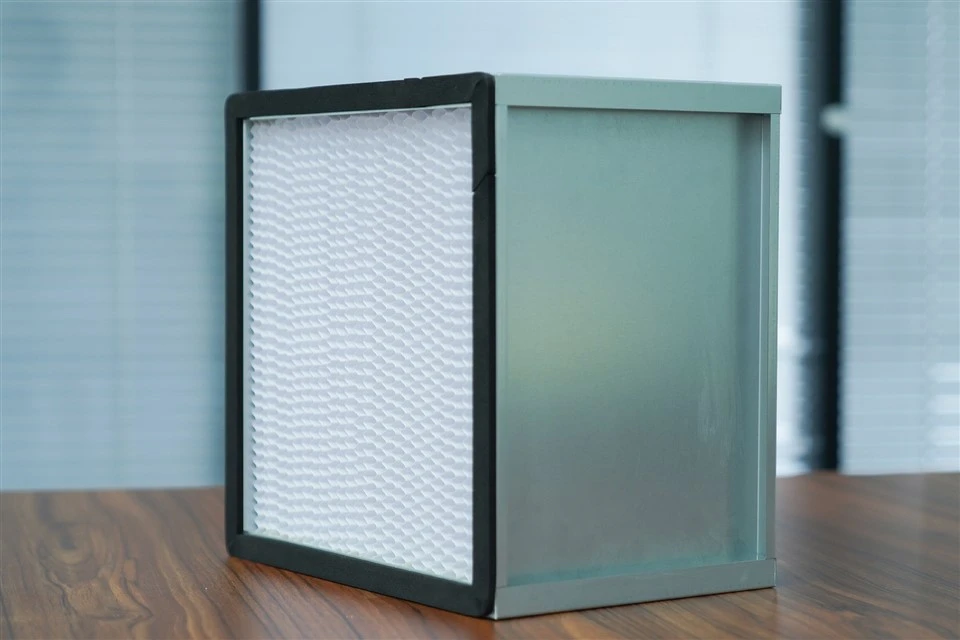
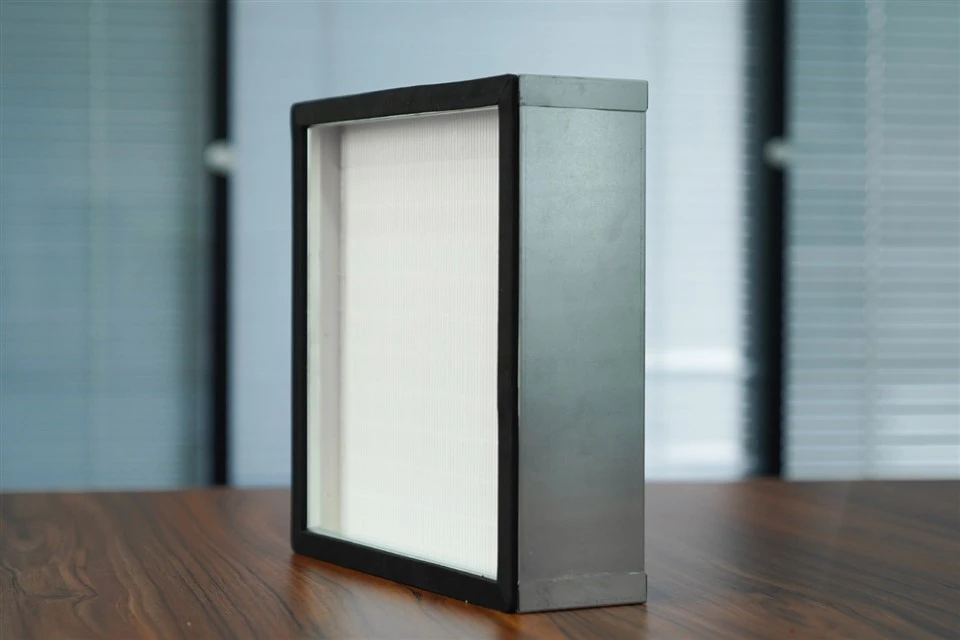
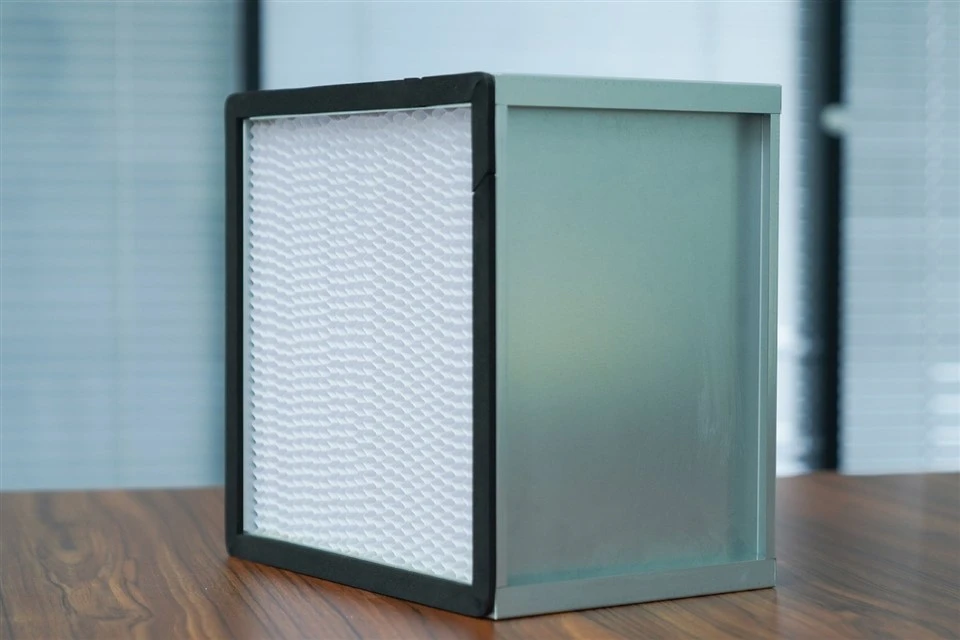
Frame Material: Anodized aluminum, galvanized steel, or stainless steel for corrosion resistance and durability.
Separator Design: Hot-melt adhesive or aluminum foil separators maintain pleat spacing, preventing collapse under high airflow.
Gasket Seal: Silicone or neoprene gaskets ensure airtight installation, preventing bypass leaks.
Low Pressure Drop:
Advanced pleating and media optimization minimize airflow resistance while maintaining efficiency.
Suitable for both constant air volume (CAV) and variable air volume (VAV) systems.
Certifications:
EN 1822: Classifies HEPA filters as H13 (99.95%) to H14 (99.995%) for European standards.
IEST-RP-CC001: U.S. standard for HEPA filter testing and certification.
Fire Resistance: Compliance with UL 900 or equivalent for safety in critical environments.
3. How HEPA Filters Work in Dust Collection Systems
Pre-Filtration Stage:
Coarse dust and large particles are captured by prefilters (MERV 8–13) or bag filters, extending HEPA lifespan.
HEPA Filtration Stage:Air passes through the HEPA filter's pleated glass-fiber media, where particles are trapped via:
Interception: Particles adhere to fibers as they flow past.
Impaction: Larger particles collide with and stick to fibers.
Diffusion: Sub-micron particles move erratically and are captured by fibers.
Clean Air Discharge:
Filtered air is recirculated or exhausted, meeting cleanroom classification requirements (e.g., ISO Class 5–8).
4. Applications
Cleanrooms (ISO Class 5–8):
Semiconductor manufacturing, biotechnology, and nanotechnology facilities.
Protects against particulate contamination in critical processes.
Hospitals:
Operating theaters, isolation rooms, and sterile compounding areas.
Reduces infection risk by removing airborne pathogens.
Pharmaceutical Industry:
Aseptic filling, tablet coating, and granulation areas.
Ensures compliance with GMP (Good Manufacturing Practice) and FDA/EMA regulations.
Laboratories:
BSL-3/BSL-4 labs handling hazardous pathogens.
Contains contaminants during research activities.
5. Advantages
Unmatched Particle Removal: Superior to standard filters (e.g., MERV 16) for sub-micron particles.
Longevity: With proper pre-filtration, HEPA filters can last 2–5 years, reducing replacement costs.
Compliance: Meets stringent regulatory standards (ISO 14644, EU GMP, ASHRAE 52.2).
Energy Efficiency: Low pressure drop minimizes energy consumption compared to older HEPA designs.
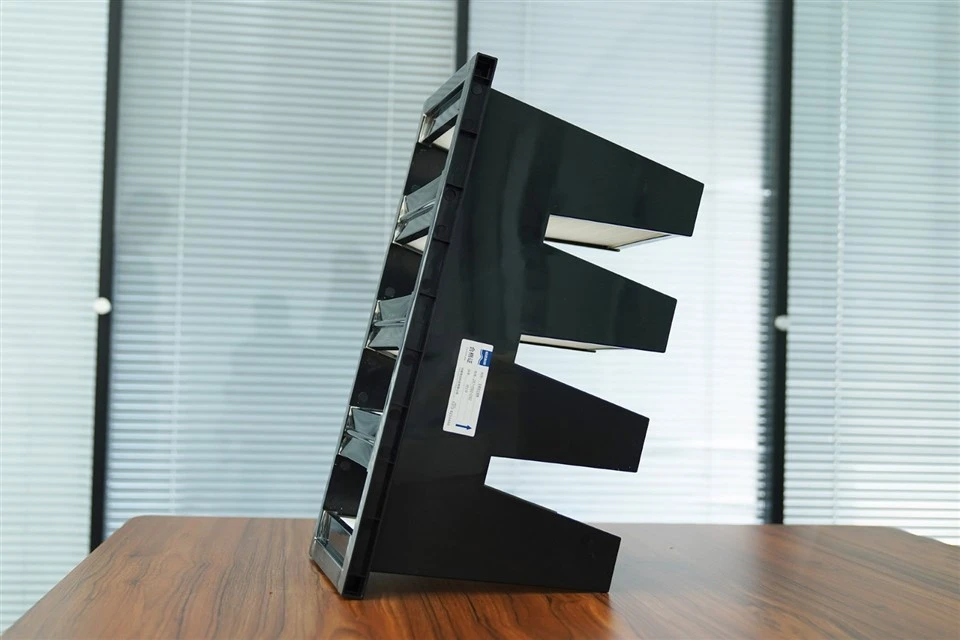
Customization: Available in H13–H14 grades and various sizes/shapes (e.g., V-bank, mini-pleat, cartridge) to fit specific systems.
6. Limitations
High Initial Cost: HEPA filters are more expensive than lower-grade filters.
Installation Complexity: Requires precise sealing to prevent leaks; professional installation is recommended.
Disposal Challenges: Contaminated HEPA filters may be classified as hazardous waste (e.g., in biohazard or radioactive settings).
Not for Gaseous Pollutants: HEPA filters do not remove VOCs or odors; activated carbon filters are needed for gas phase control.
7. Comparison with Other Filters
| Feature | HEPA Filter | ULPA Filter | MERV 16 Filter | Bag Filter |
|---|---|---|---|---|
| Efficiency | 99.97% @ 0.3 µm | 99.9995% @ 0.12 µm | 95% @ 0.3–1.0 µm | 85–95% @ 5–10 µm |
| Pressure Drop | Low to moderate | High | Moderate | Low |
| Cost | High | Very High | Moderate | Low |
| Lifespan | 2–5 years | 1–3 years | 1–2 years | 6–12 months |
| Best For | Cleanrooms, hospitals | Ultra-clean labs (e.g., chip fabrication) | General industrial dust | Coarse dust pre-filtration |
8. Selection Criteria
Efficiency Grade:
H13 (99.95%): Suitable for most cleanrooms and hospitals.
H14 (99.995%): Required for critical applications (e.g., sterile drug manufacturing).
Airflow Requirements:
Ensure the filter's face velocity (m/s or fpm) matches system specifications to avoid premature loading.
Environmental Conditions:
Choose stainless steel frames for corrosive environments (e.g., pharmaceutical washdown areas).
Opt for fire-rated filters if handling flammable dust.
Certification:
Verify compliance with ISO 14644-1, EU GMP Annex 1, or ASTM F3150 for pharmaceutical use.
9. Maintenance & Replacement
In-Situ Testing:
Use a laser particle counter or DOP/PAO test to verify HEPA integrity annually or after maintenance.
Replacement Indicators:
Replace when pressure drop exceeds 2–3× initial reading or if leaks are detected.
Disposal:
Follow local regulations for hazardous waste if filters are contaminated with biohazards or radioactive materials.
10. Conclusion
High-efficiency HEPA filters are indispensable for dust collection in cleanrooms, hospitals, and pharmaceutical facilities, where airborne particulates pose risks to product quality, patient safety, and regulatory compliance. By combining advanced media technology with robust construction, HEPA filters deliver reliable performance in the most demanding environments. For optimal results, pair HEPA filters with high-quality prefilters, regular maintenance, and professional installation to ensure long-term efficiency and cost savings.
For applications requiring even stricter control (e.g., semiconductor lithography), consider ULPA filters (H15–H16), which offer 99.9995% efficiency at 0.12 µm. Always consult with a filtration expert to tailor solutions to your specific needs.
Hot Tags: dust collector high efficiency hepa air filter for cleanroom/hospital/pharmaceutical, China dust collector high efficiency hepa air filter for cleanroom/hospital/pharmaceutical manufacturers, suppliers, factory, air filter distributor, Air Filters, cabin air filter, hvac air filter, industrial air filter, standard air filters