


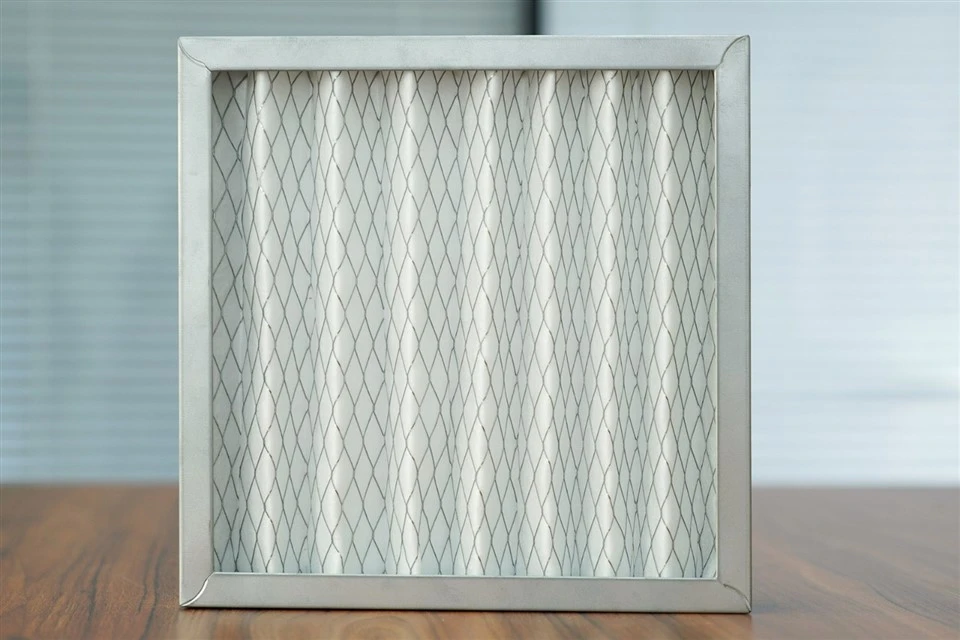
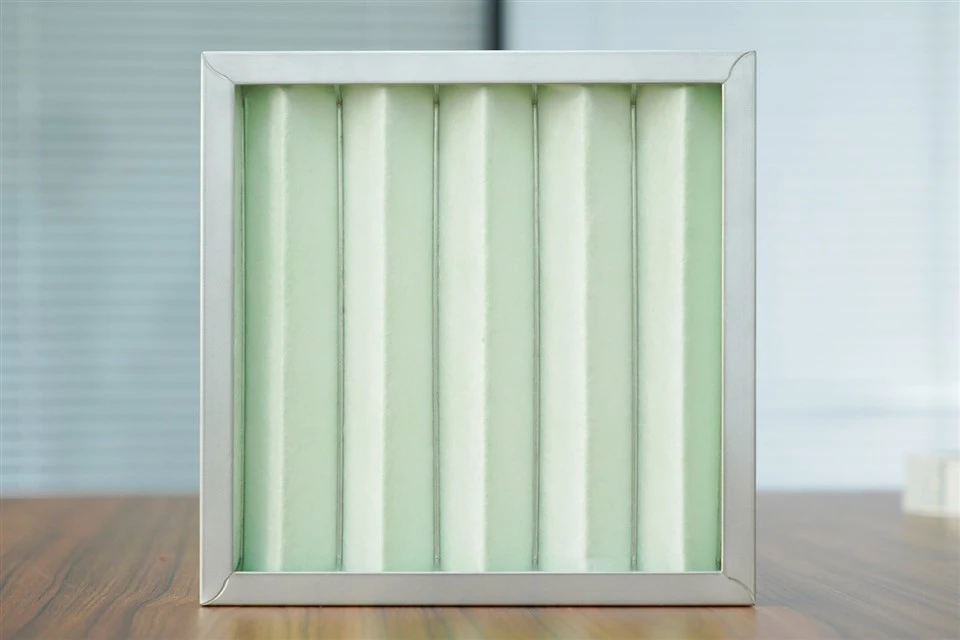
Paper Frame Activated Carbon Filters for Dust and Pollen Air Filtration: A Comprehensive Overview
1. Introduction
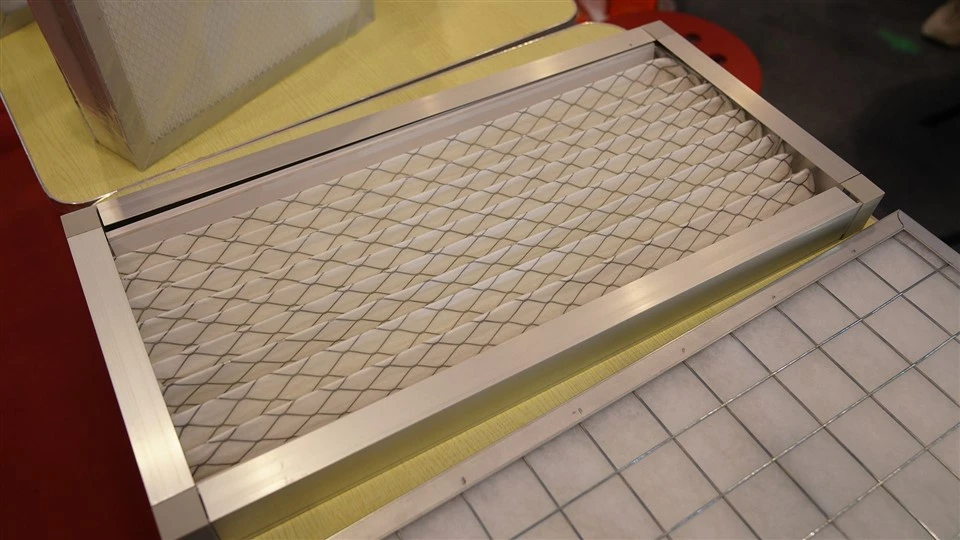
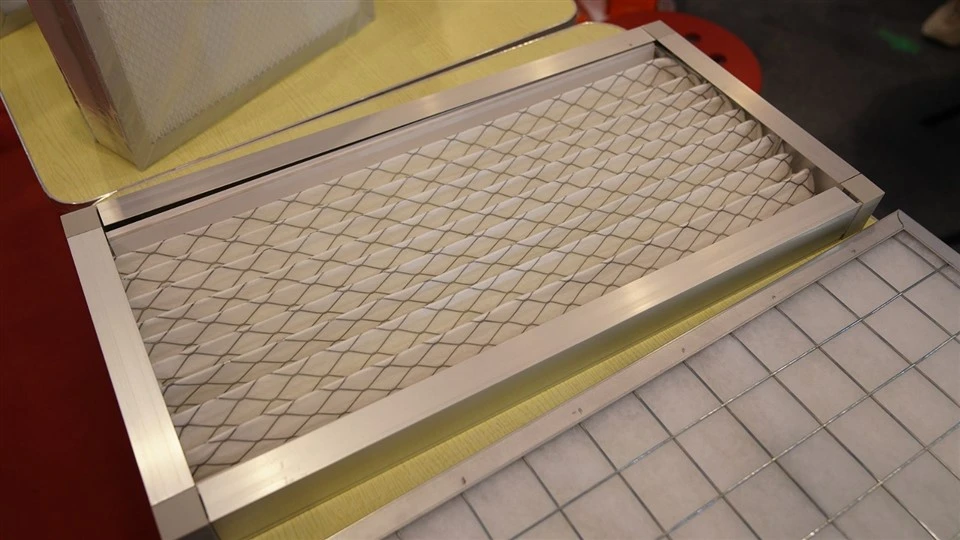
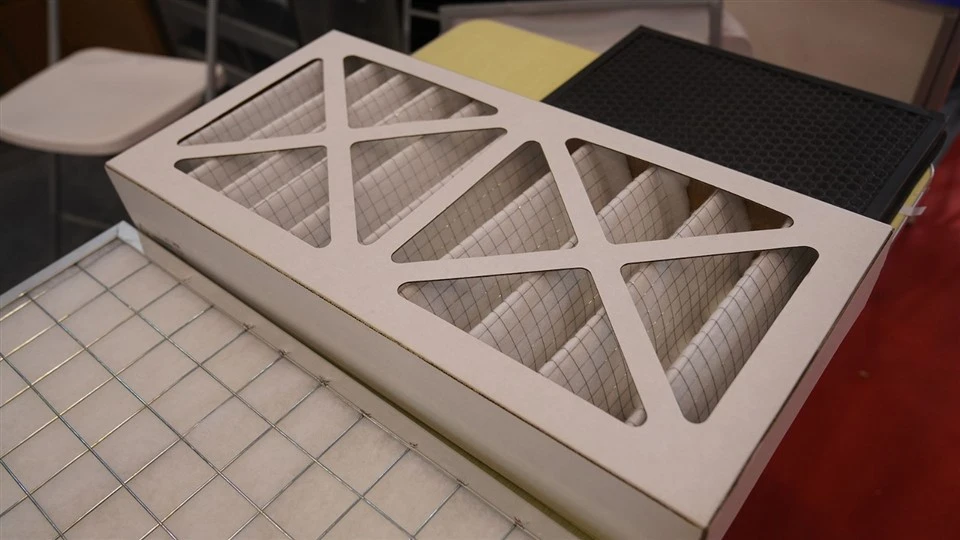
Paper frame activated carbon filters are hybrid air filtration solutions designed to address both particulate matter (dust, pollen) and gaseous pollutants (odors, VOCs). Combining a structural paper frame with activated carbon and particulate filtration layers, these filters are widely used in residential, commercial, and industrial HVAC systems, air purifiers, and automotive applications.
2. Key Components & Structure
Paper Frame:
Material: Typically made of reinforced cardboard or synthetic paper, providing structural support and airtight sealing.
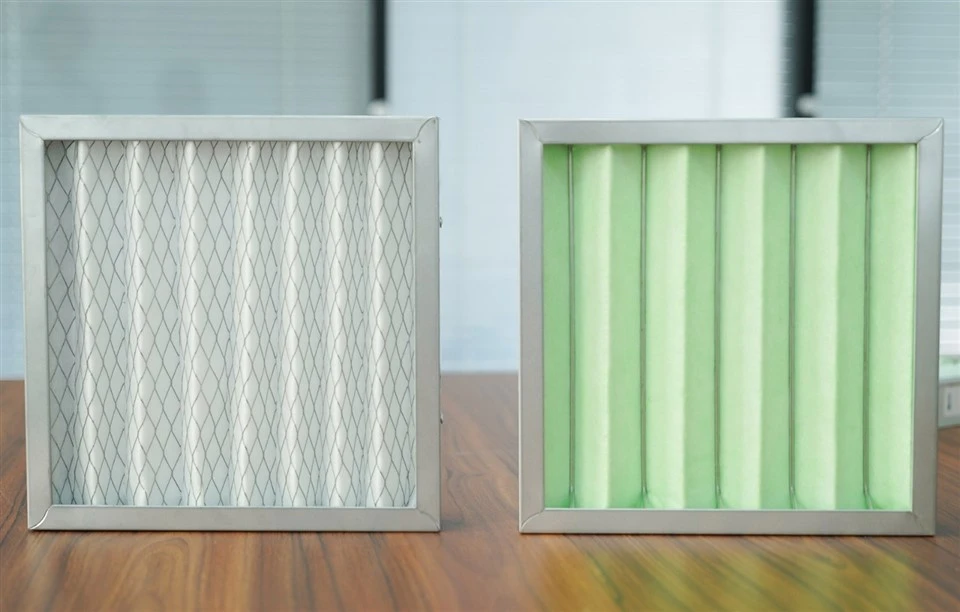
Design: Often pleated to increase surface area, enhancing filtration efficiency and airflow.
Advantages: Lightweight, cost-effective, and easy to replace.
Activated Carbon Layer:
Material: Porous carbon (e.g., coconut shell, coal, or wood-based) treated to create millions of tiny pores.
Function: Adsorbs volatile organic compounds (VOCs), odors, and chemical fumes via physical adsorption.
Enhancements: Some filters use impregnated carbon (e.g., with potassium permanganate) to target specific gases like formaldehyde.
Particulate Filtration Layer:
Material: Synthetic fibers (polyester, polypropylene) or cellulose combined with electrostatic charge.
Function: Captures dust, pollen, pet dander, and other particulates via mechanical filtration and electrostatic attraction.
Efficiency: Ranges from MERV 8 (basic dust capture) to MERV 13+ (high-efficiency for pollen and fine particles).
3. How They Work
Airflow Path: Air enters through the filter, passing through the particulate layer first.
Particulate Capture: Larger particles (dust, pollen) are trapped in the fiber matrix or via electrostatic charge.
Gas Adsorption: Smaller gaseous molecules diffuse into the activated carbon pores and adhere to the surface.
Clean Air Exit: Filtered air exits through the paper frame, ensuring minimal bypass.
4. Applications
Residential: HVAC systems, window air conditioners, standalone air purifiers.
Commercial: Office buildings, hospitals, hotels, and schools.
Industrial: Workshops, factories, and cleanrooms requiring odor and particulate control.
Automotive: Cabin air filters in cars to reduce road dust and exhaust fumes.
5. Advantages
Dual Functionality: Addresses both particles and gases in one filter.
Cost-Effective: More affordable than multi-stage filtration systems.
Ease of Installation: Paper frames fit standard filter slots without modifications.
Low Maintenance: Replaceable design reduces long-term costs.
Eco-Friendly Options: Some filters use biodegradable frames or recycled carbon.
6. Limitations
Limited Lifespan: Activated carbon saturates over time, requiring regular replacement (every 3–6 months).
Particle Size Dependency: May not capture ultrafine particles (e.g., <0.3 microns) as effectively as HEPA filters.
Humidity Sensitivity: High humidity can reduce carbon adsorption efficiency.
Pressure Drop: Pleated designs may increase airflow resistance in low-power systems.
7. Comparison with Other Filters
| Feature | Paper Frame Activated Carbon | Fiberglass Filters | HEPA Filters | Washable Filters |
|---|---|---|---|---|
| Particulate Efficiency | Moderate (MERV 8–13) | Low (MERV 1–4) | High (MERV 16+) | Low to Moderate |
| Gas Adsorption | Yes (activated carbon) | No | No | No |
| Cost | Moderate | Low | High | Moderate (reusable) |
| Lifespan | 3–6 months | 1 month | 1–2 years | 5+ years (if cleaned) |
| Best For | Allergies, odors, general dust | Basic dust control | Hospitals, labs | Eco-conscious users |
8. Selection Tips
MERV Rating: Choose MERV 11–13 for effective pollen and dust capture without excessive pressure drop.
Carbon Quality: Opt for filters with high carbon content (≥50g per sq.ft) for better odor control.
Frame Durability: Ensure the paper frame is moisture-resistant if used in humid environments.
Certifications: Look for standards like ASHRAE 52.2 or EN 1822 for performance validation.
9. Maintenance & Replacement
Check Monthly: Inspect for clogging or discoloration.
Replace Every 3–6 Months: More frequently in high-pollution or pet-heavy households.
Avoid Washing: Paper frames and carbon layers degrade when wet; replace instead of cleaning.
10. Conclusion
Paper frame activated carbon filters offer a balanced solution for households and businesses seeking to mitigate dust, pollen, and odors. While not as high-performance as HEPA or standalone carbon systems, their affordability, versatility, and ease of use make them a popular choice for general air quality improvement. For optimal results, pair with regular HVAC maintenance and consider supplemental filters (e.g., pre-filters) to extend lifespan.
For specialized needs (e.g., severe allergies or chemical sensitivity), consult a professional to determine if a higher-grade filtration system is warranted.
Hot Tags: paper frame activated carbon filters for dust and pollen air filtration: a comprehensive overview, China paper frame activated carbon filters for dust and pollen air filtration: a comprehensive overview manufacturers, suppliers, factory, air filter supplier, cabin air filter, Fan Filter Unit, High Temperature Resistant High Efficiency Air Filter, hvac air filter, industrial air filter