

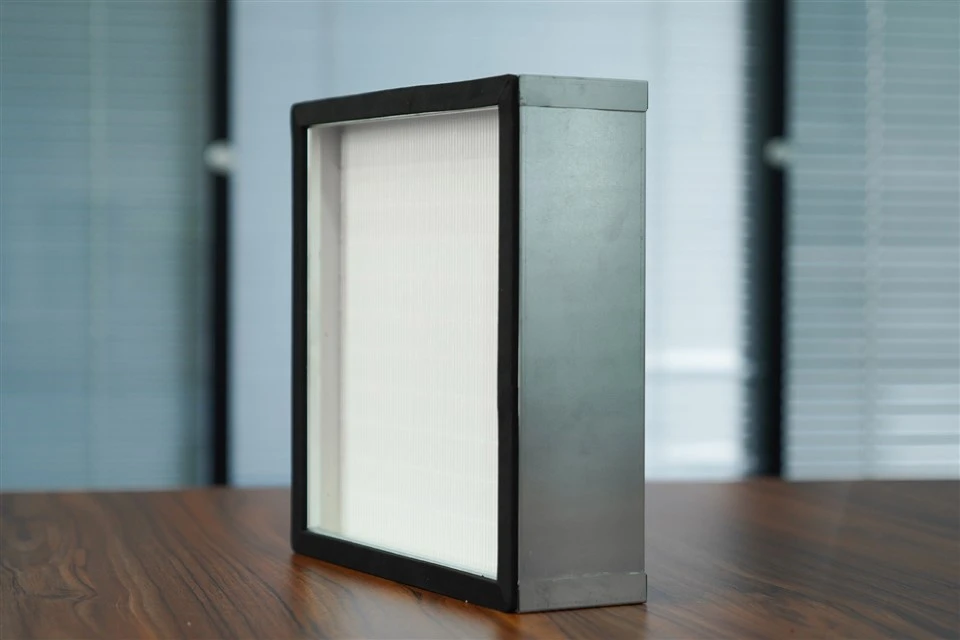

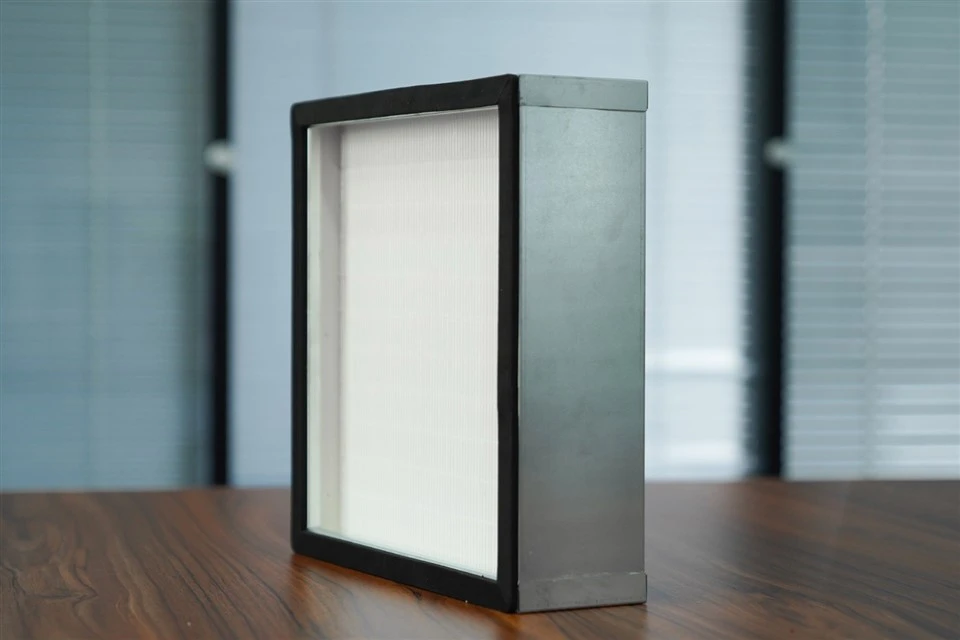
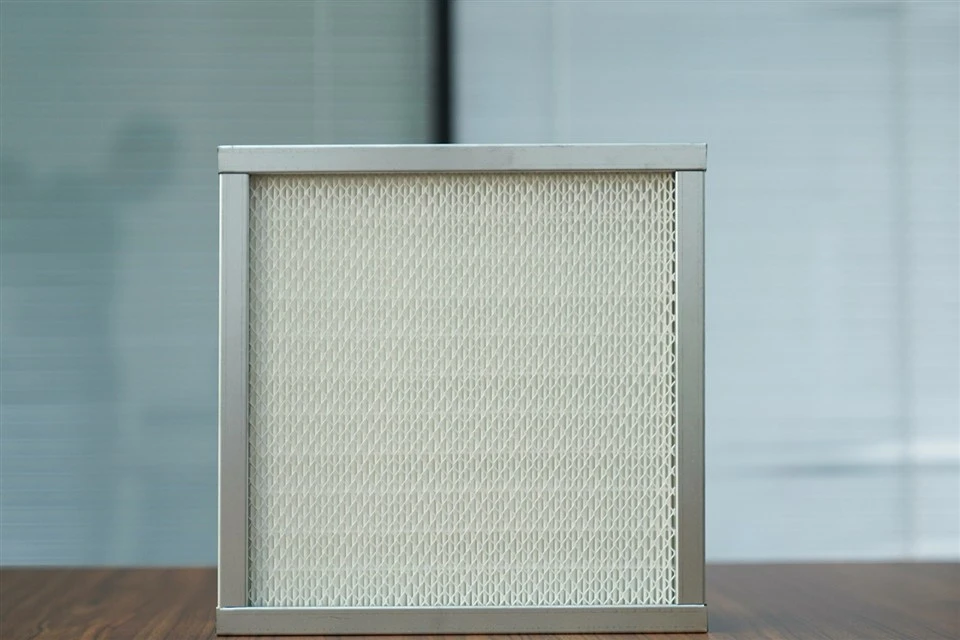
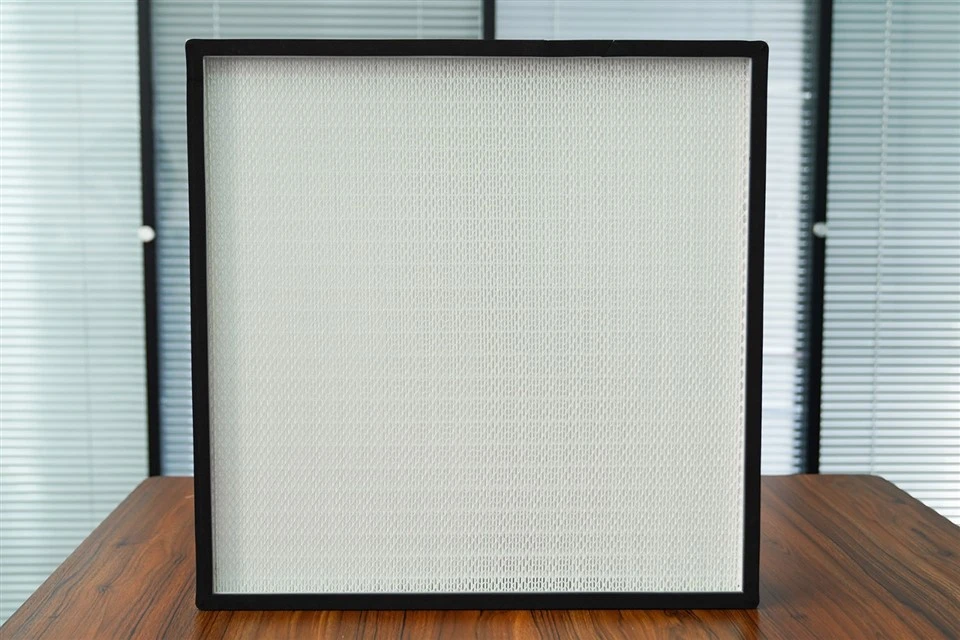
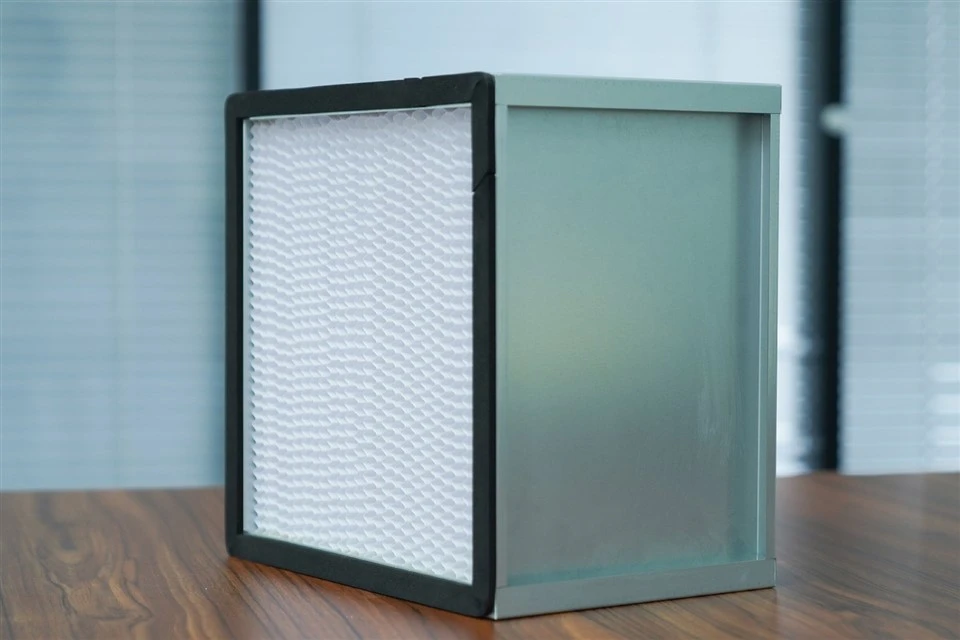
High-Quality Active Carbon + HEPA Filter System for Dust-Free Cleanroom Applications
For cleanroom environments (e.g., semiconductor, pharmaceutical, biotech, electronics manufacturing), active carbon (activated carbon) + HEPA filtration is essential for removing gaseous contaminants (VOCs, odors) and particulate matter (0.3μm and smaller). Below is a structured breakdown of the system:
1. Key Components & Functions
(A) Active Carbon (Activated Carbon) Filter
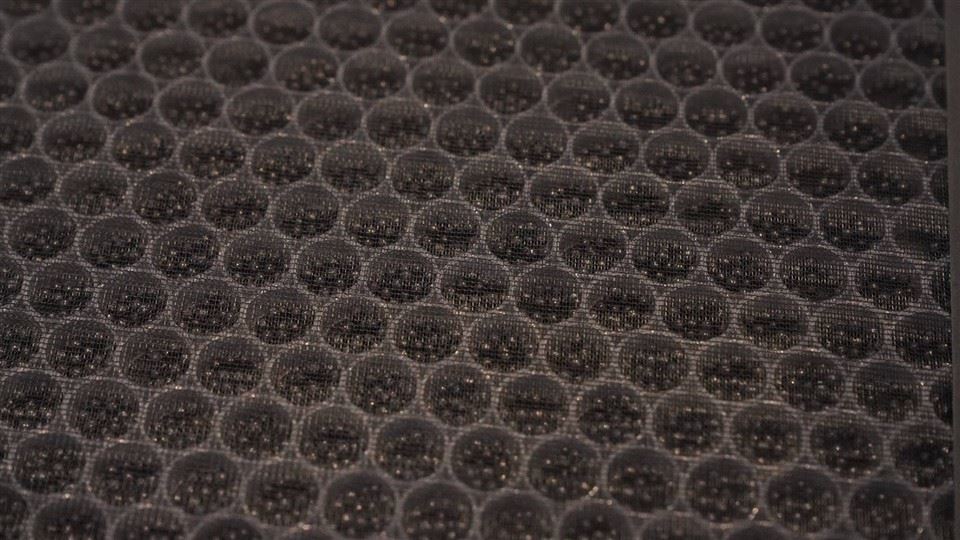
Purpose: Adsorbs volatile organic compounds (VOCs), chemical fumes, odors, and some gases (e.g., formaldehyde, sulfur dioxide).
Mechanism:
Porous structure traps gas molecules via physical adsorption (van der Waals forces).
Some carbon is impregnated with chemicals (e.g., potassium permanganate) for enhanced oxidation of specific gases.
Design Considerations:
Carbon Type: Granular (GAC) or pleated (PAC) for higher surface area.
Depth: Typically 50–100mm thick for effective adsorption.
Lifespan: 3–12 months (depending on gas load; replace when breakthrough occurs).
(B) HEPA Filter (High-Efficiency Particulate Air)
Purpose: Captures ≥99.97% of 0.3μm particles (including dust, pollen, bacteria, viruses).
Mechanism:
Deep-pleated glass fiber or synthetic media with a minimum efficiency reporting value (MERV 17–20).
Design Considerations:
Media: Glass fiber (best efficiency) or PTFE (chemical-resistant).
Seal: Gasketed or gel-sealed to prevent bypass.
Lifespan: 1–3 years (replace when pressure drop exceeds 250–300 Pa).
2. System Configuration Options
| Type | Description | Pros | Cons |
|---|---|---|---|
| Combined Unit | Active carbon + HEPA in a single housing (serial flow). | Compact, reduces footprint. | Limited carbon capacity; harder to replace carbon independently. |
| Modular System | Separate carbon and HEPA units (parallel or serial). | Flexible maintenance; carbon can be replaced without disturbing HEPA. | Larger footprint; higher initial cost. |
| Mini-Pleat HEPA + Carbon Pre-Filter | Carbon pre-filter before HEPA (most common in cleanrooms). | Extends HEPA life by removing large particles first. | Requires careful airflow balancing. |
Recommendation:
Modular system for high-contamination environments (e.g., chemical labs).
Combined unit for general cleanrooms (e.g., ISO Class 7–8).
3. Performance & Compliance
Particle Filtration:
HEPA meets ISO 14644-1 (Class 1–9) and EU GMP Grade A–D standards.
Gas Adsorption:
Carbon filters should comply with ASTM D5742 (adsorption capacity testing).
Leak Testing:
HEPA filters must pass DOP/PAO aerosol challenge tests (≤0.01% leakage).
4. Installation & Maintenance
(A) Installation Tips
Airflow Direction: Carbon first (to adsorb gases before HEPA).
Sealing: Ensure no bypass (use pressure decay tests).
Housing: Stainless steel (SS304/316) for corrosion resistance.
(B) Maintenance Schedule
| Component | Replacement Frequency | Monitoring Method |
|---|---|---|
| Carbon Filter | 3–12 months (gas-dependent) | Pressure drop, odor complaints, gas sensors |
| HEPA Filter | 1–3 years | DOP/PAO test, pressure drop (>300 Pa) |
Pro Tip: Use differential pressure gauges to track filter clogging.
5. Cost vs. Performance Trade-offs
| Factor | Budget Option | Premium Option |
|---|---|---|
| Carbon Filter | Granular activated carbon (GAC) | Pleated activated carbon (PAC) + impregnation |
| HEPA Filter | Glass fiber media | PTFE membrane (for chemical resistance) |
| Housing | Powder-coated steel | Stainless steel (SS316) |
| Lifespan | Shorter (higher replacement cost) | Longer (lower long-term cost) |
Recommendation:
Premium options for critical applications (e.g., sterile drug manufacturing).
Budget options for less stringent environments (e.g., electronics assembly).
6. Final Recommendations
For ISO Class 5–7 Cleanrooms:
Use a modular system with PTFE HEPA + impregnated carbon.
For Chemical Fume Control:
Prioritize Purafil or Camfil with deep carbon beds.
For Cost-Sensitive Applications:
Opt for AAF Flanders or budget-friendly combined units.
Hot Tags: high-quality active carbon + hepa filter system for dust-free cleanroom applications, China high-quality active carbon + hepa filter system for dust-free cleanroom applications manufacturers, suppliers, factory, export air filters, High Efficency Air Supply Outlet, High Temperature Resistant High Efficiency Air Filter, pleated air filter, smoke air filter, standard air filters