


Here's a structured overview of high-temperature resistant and efficient air filtration systems, including their types, applications, and key considerations:
1. High-Temperature Resistant Air Filters
Designed for environments with elevated temperatures (e.g., industrial ovens, kilns, or HVAC systems near heat sources), these filters maintain structural integrity and filtration efficiency under extreme conditions.
Key Features:
Material:
Filter Media: Fiberglass, ceramic fibers, or metal meshes (e.g., stainless steel, aluminum).
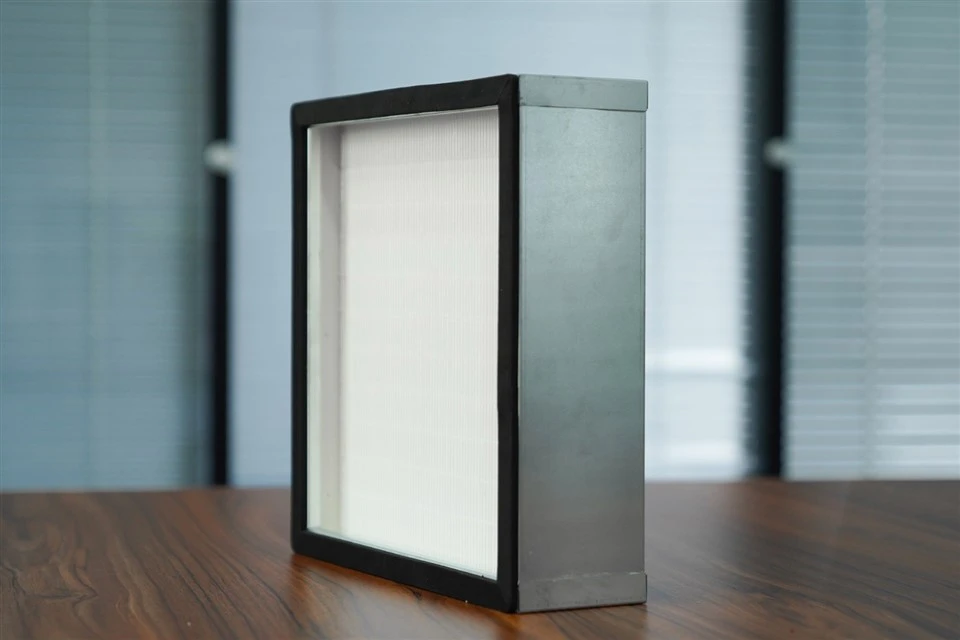
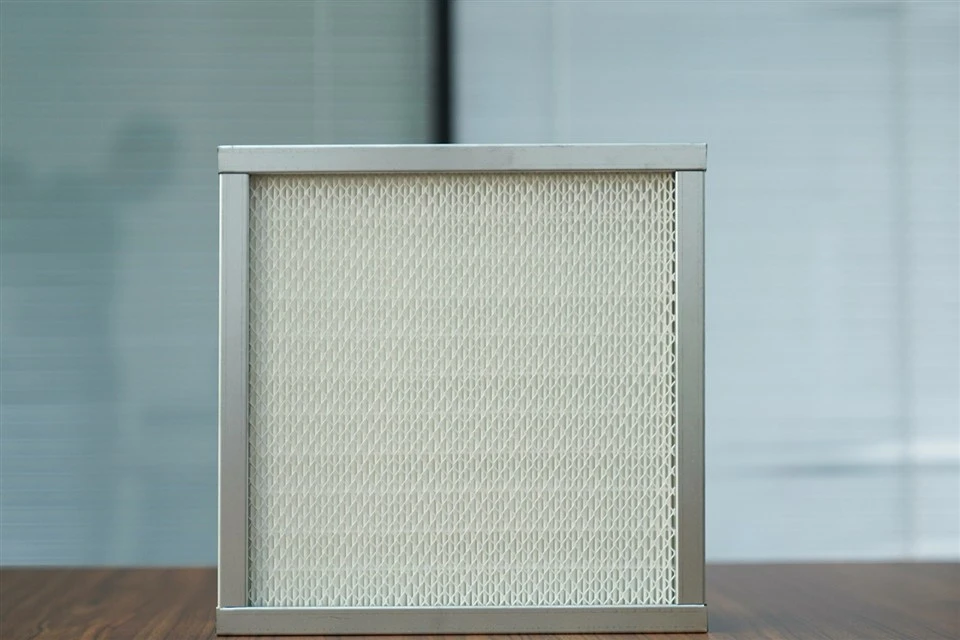
Frame: Stainless steel or anodized aluminum to resist warping/corrosion.
Temperature Range: Typically rated for 200–800°C (392–1472°F), depending on design.
Efficiency Classes: HEPA (H13–H14) or ULPA (U15–U17) for fine particulate capture.
Applications:
Industrial processes (e.g., metal smelting, baking, drying).
Automotive paint booths.
Pharmaceutical/chemical manufacturing.
Aerospace testing chambers.
2. Efficient Air Filtration Systems
These systems optimize airflow while removing contaminants, ensuring clean air for occupants or processes.
Types:
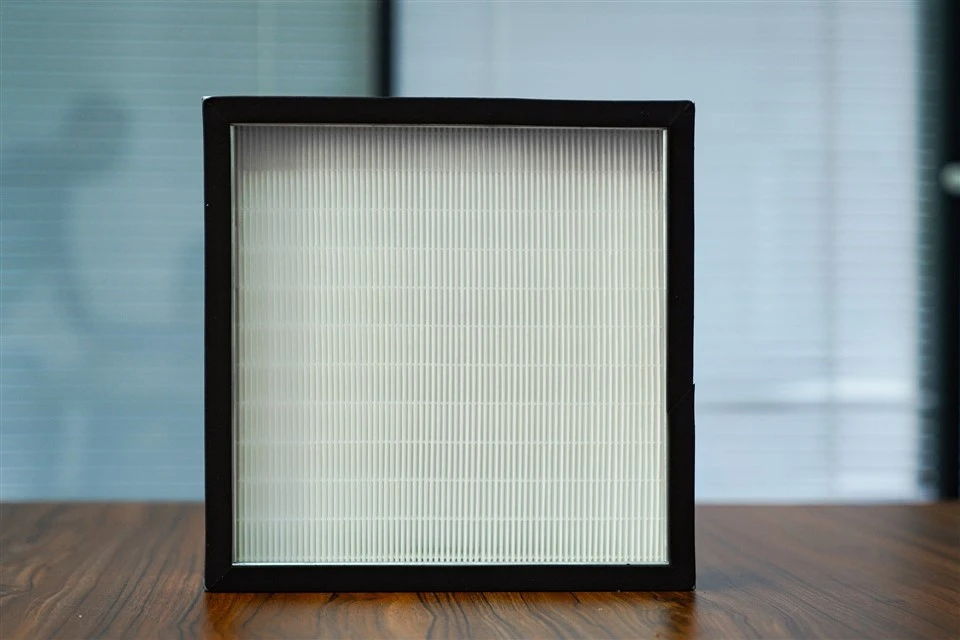
With Partitions (Pleated Filters):
Design: Corrugated separators (e.g., aluminum, plastic) between filter pleats to maintain structure and reduce airflow resistance.
Advantages: Higher dust-holding capacity, longer lifespan, and stable efficiency.
Use Cases: Commercial HVAC, cleanrooms, hospitals.
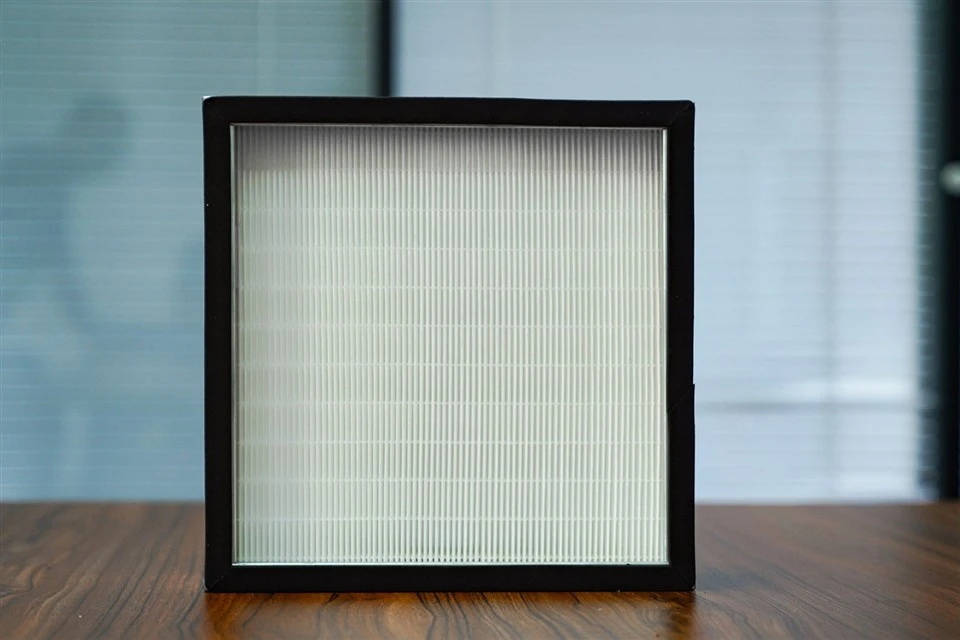
Without Partitions (Mini-Pleat Filters):
Design: Ultra-thin separators or hot-melt adhesive to bond pleats, reducing bulk.
Advantages: Compact size, lower pressure drop, and high efficiency (HEPA/ULPA).
Use Cases: Data centers, semiconductor manufacturing, laboratories.
FFU (Fan Filter Unit) Air Supply Outlets:
Design: Self-contained units with a fan, HEPA/ULPA filter, and motorized controls.
Advantages: Modular installation, uniform airflow, and energy efficiency.
Use Cases: Cleanrooms (ISO Class 1–9), laminar flow hoods.
Dust Screens:
Design: Coarse-mesh filters (e.g., metal or synthetic fibers) to block large particles.
Advantages: Low cost, easy maintenance, and protection for downstream filters.
Use Cases: HVAC intakes, industrial ventilation pre-filters.
3. High-Temperature + Efficient Filtration Combination
For systems requiring both heat resistance and high efficiency (e.g., industrial cleanrooms near furnaces):
Material: Ceramic fiber HEPA filters with stainless steel frames.
Design: Mini-pleat or partitioned configurations to balance efficiency and airflow.
Example: Ceramic HEPA Filters rated for 400–600°C, used in metal processing or power plants.
4. Selection Considerations
Temperature Resistance: Match filter rating to maximum operating temperature.
Efficiency Requirements: HEPA for fine particles (≥0.3µm), ULPA for sub-micron (≥0.1µm).
Airflow Resistance: Lower pressure drop reduces energy consumption.
Maintenance: Accessibility for replacement/cleaning in harsh environments.
Certifications: Look for standards like EN 1822 (EU) or ASHRAE 52.2 (US).
5. Example Products
High-Temp Filters: Camfil Farr High-Temperature HEPA, AAF Flanders Ceramic Filters.
Efficient Systems: Donaldson Torit DFO Series (industrial dust collection), TROX HEPA FFUs.
Dust Screens: Nordic Pure MERV 8 Pre-Filters, 3M Filtrete Washable Filters.
Conclusion
Choosing the right filter depends on balancing temperature tolerance, efficiency, airflow, and cost. For critical applications, consult manufacturers to ensure compatibility with your system's specifications. Combining high-temperature media with advanced designs (e.g., mini-pleats) can optimize performance in demanding environments.
Hot Tags: high temperature resistant and efficient filter, air clean, air conditioning with partition, filtering without partition, ffu air supply outlet dust screen, China high temperature resistant and efficient filter, air clean, air conditioning with partition, filtering without partition, ffu air supply outlet dust screen manufacturers, suppliers, factory, AHU Filter Pocket Air Bag Filter, commercial air filter, export air filters, hepa air filter, industrial air filter, purchase air filters