

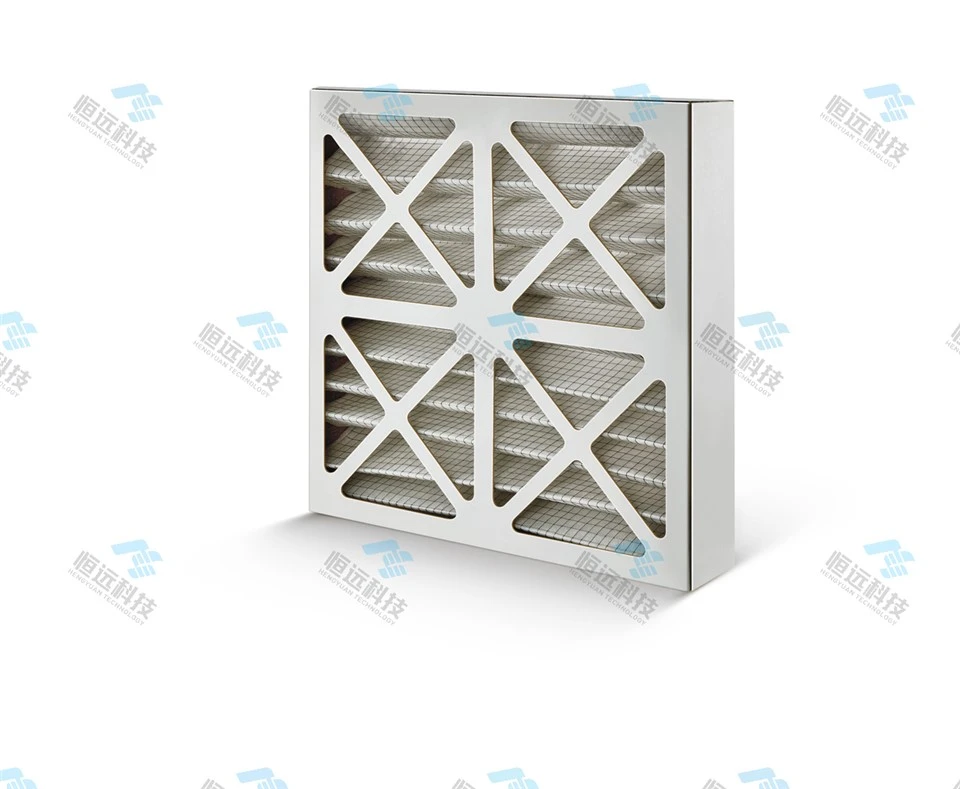

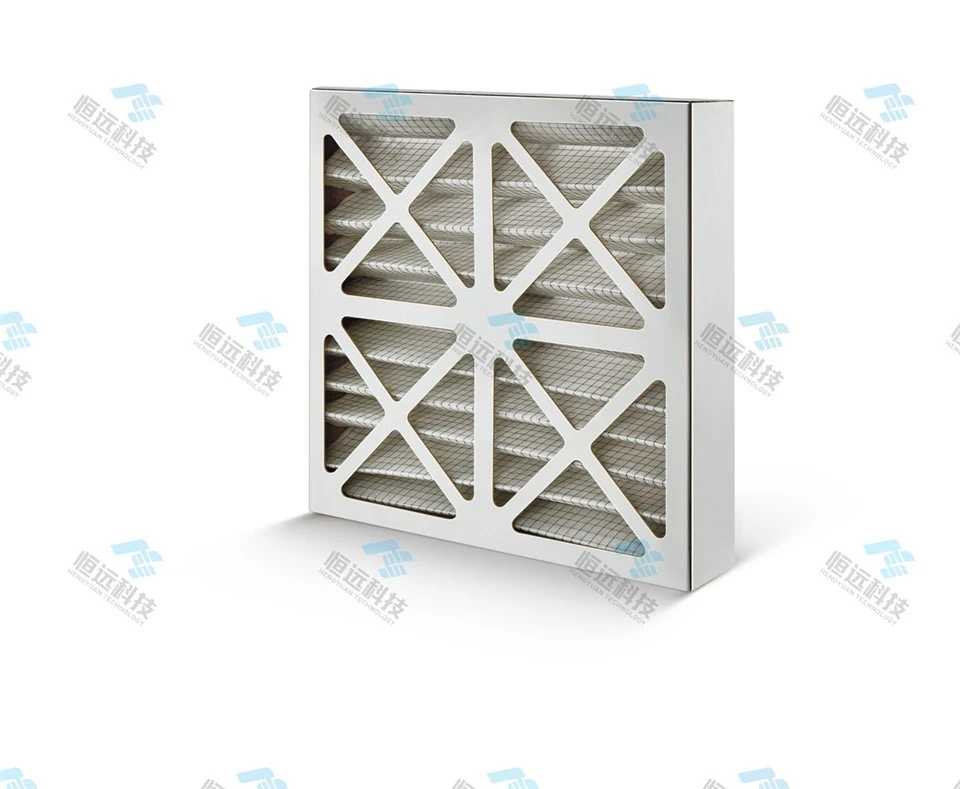
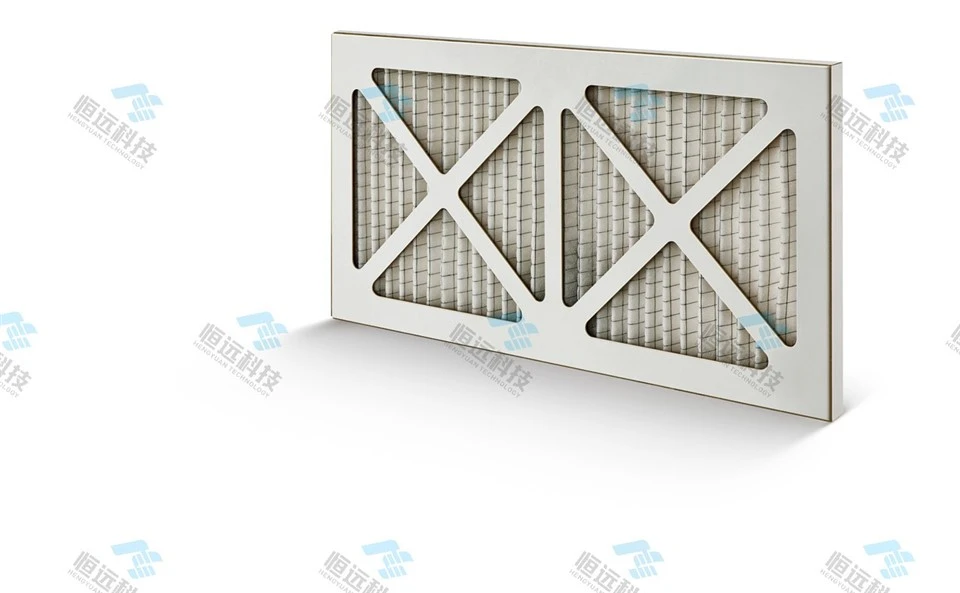
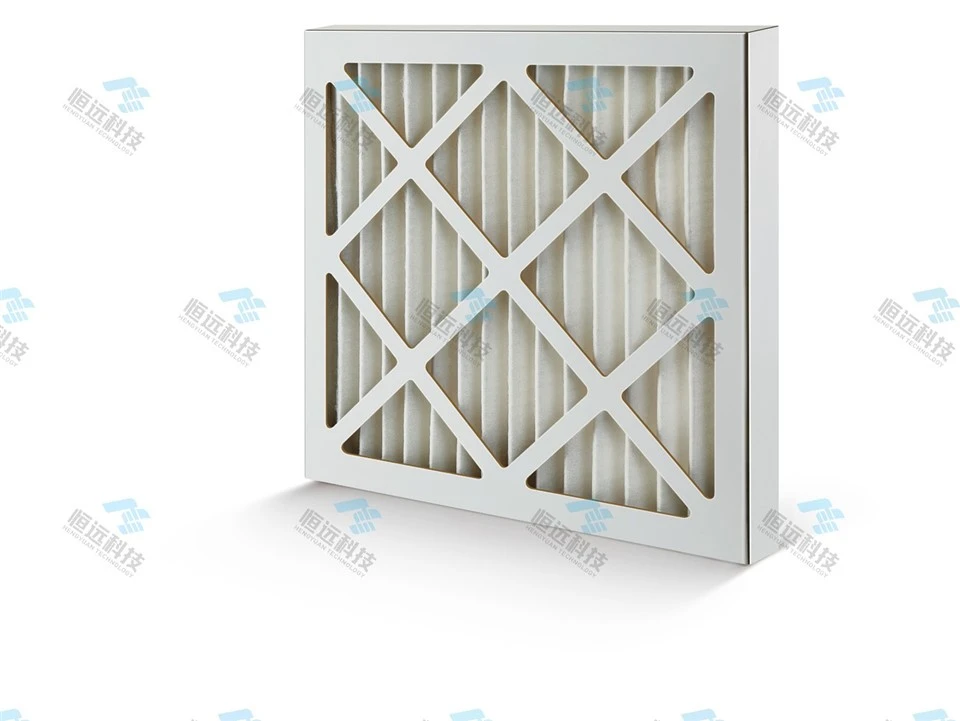
Here's a detailed technical overview of a Paper Air Filter Dust Removal System designed for capturing, conveying, and storing dust, with options for MERV 8, MERV 11, and MERV 13 filtration ratings:
1. System Overview
A paper air filter dust removal system is a modular industrial solution for controlling airborne particulates in processes like woodworking, metalworking, pharmaceuticals, food processing, and general manufacturing. It combines:
Dust Capture: Hoods, ductwork, and airflow design to collect dust at the source.
Filtration: High-efficiency paper cartridge filters (MERV 8–13) to trap particles.
Conveying: Pneumatic or mechanical systems to transport collected dust.
Storage: Hoppers, bins, or silos for dust accumulation and disposal.
2. Key Components & Functions
A. Dust Capture Unit
Hoods/Inlets: Designed to maximize capture efficiency (e.g., flanged, slot, or canopy hoods).
Ductwork: Smooth, leak-proof pipes with proper sizing to maintain airflow velocity (typically 1,500–4,000 FPM).
Airflow Control: Dampers and variable frequency drives (VFDs) to adjust suction based on demand.
B. Filtration Unit (Paper Cartridge Filters)
Filter Media:
MERV 8: Captures 70–85% of particles 3–10 microns (e.g., sawdust, cement dust).
MERV 11: Captures 85–95% of particles 1–10 microns (e.g., welding fumes, fine sand).
MERV 13: Captures 90–98% of particles 0.3–10 microns (e.g., PM2.5, bacteria, smoke).
Cartridge Design:
Pleated paper media for increased surface area.
Galvanized steel or plastic frame for structural integrity.
Top/bottom caps with gaskets for airtight sealing.
Cleaning Mechanism:
Pulse-jet cleaning: Compressed air bursts to dislodge dust (most common).
Reverse-air cleaning: Low-pressure airflow reversal for gentle cleaning.
C. Dust Conveying System
Pneumatic Conveying:
Uses compressed air to transport dust through pipes to storage.
Suitable for lightweight, dry dust (e.g., flour, plastic powder).
Mechanical Conveying:
Screw conveyors, bucket elevators, or drag chain conveyors for heavier dust (e.g., metal chips, gravel).
D. Dust Storage & Disposal
Hoppers/Bins:
Conical or cylindrical designs with vibration motors to prevent clogging.
Capacity ranging from 50–5,000 liters based on application.
Disposal Options:
Manual emptying via doors or valves.
Automated systems with bagging or compacting for hazardous dust (e.g., asbestos, silica).
3. Technical Specifications
| Parameter | Details |
|---|---|
| Airflow Range | 500–50,000 CFM (customizable for plant size) |
| Operating Pressure | -4 to -10" WG (negative pressure systems) |
| Filter Efficiency | MERV 8 (70–85%), MERV 11 (85–95%), MERV 13 (90–98%) |
| Temperature Range | -20°C to +80°C (-4°F to +176°F) (higher temps possible with special media) |
| Humidity Tolerance | Up to 85% RH (non-condensing) |
| Noise Level | <75 dB(A) at 3 meters (with sound dampening) |
| Power Consumption | 0.5–15 kW (depending on fan size and VFD use) |
4. MERV Rating Selection Guide
| MERV Rating | Typical Applications | Particle Size Captured |
|---|---|---|
| MERV 8 | Woodworking, cement plants, general manufacturing | 3–10 microns (70–85% efficiency) |
| MERV 11 | Welding, metal grinding, pharmaceuticals | 1–10 microns (85–95% efficiency) |
| MERV 13 | Food processing, cleanrooms, hospitals | 0.3–10 microns (90–98% efficiency) |
5. Advantages
High Efficiency: MERV 13 filters capture 98% of PM2.5, meeting strict environmental standards.
Low Maintenance: Pulse-jet cleaning extends filter life (6–24 months).
Modular Design: Scalable for small workshops or large factories.
Cost-Effective: Paper filters are cheaper than baghouse or cartridge filters with synthetic media.
Energy Savings: VFD-controlled fans reduce power consumption during low-demand periods.
6. Installation & Operation
Site Assessment: Evaluate dust type, volume, and plant layout.
System Design: Select MERV rating, duct sizing, and storage capacity.
Installation: Mount filters, ductwork, and storage units per manufacturer guidelines.
Commissioning: Test airflow, pressure drop, and cleaning cycles.
Maintenance:
Replace filters when pressure drop exceeds 2" WG.
Inspect ductwork for leaks monthly.
Clean storage hoppers weekly to prevent blockages.
Hot Tags: paper air filter dust removal system for capturing, conveying, and storing dust merv8/merv11/merv13, China paper air filter dust removal system for capturing, conveying, and storing dust merv8/merv11/merv13 manufacturers, suppliers, factory, AHU Filter Pocket Air Bag Filter, air filter for trucks, air filter replacement, custom air filters, disposable air filter, wholesale air filters