


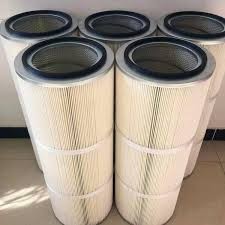
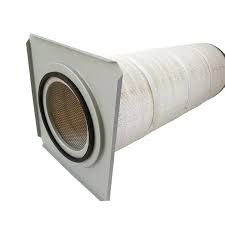
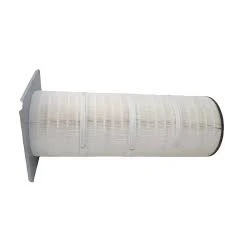
An Advanced Air Purifier Dust Filter is a critical component for maintaining optimal indoor air quality (IAQ) by efficiently capturing airborne particles, allergens, and pollutants. Below is a comprehensive guide to selecting, understanding, and maximizing the performance of such filters for residential, commercial, or industrial use.
1. Key Features of advanced dust filters
A. High-Efficiency Filtration Technology
HEPA (High-Efficiency Particulate Air) Filters:
Captures 99.97% of particles ≥0.3 microns (e.g., dust, pollen, pet dander, mold spores).
Ideal for allergy sufferers and asthma patients.
Activated Carbon Filters:
Absorbs volatile organic compounds (VOCs), odors, and chemicals (e.g., formaldehyde, smoke).
Electrostatic Filters:
Uses charged fibers to attract particles (washable/reusable options available).
Multi-Layer Composite Filters:
Combines HEPA, carbon, and pre-filters for comprehensive purification.
B. Advanced Design Enhancements
360° Airflow Technology:
Circular intake/outtake for uniform filtration and reduced noise.
Smart Sensors & Auto Mode:
Monitors air quality (PM2.5, VOCs) and adjusts fan speed automatically.
Low Noise Operation:
Whisper-quiet motors (<30 dB for sleep mode).
Energy Efficiency:
ENERGY STAR® certified models consume minimal power.
C. Durability & Maintenance
Long-Lasting Filters:
HEPA filters last 6–12 months (depending on usage).
Washable pre-filters extend main filter lifespan.
Indicator Lights:
Alerts when filters need replacement/cleaning.
2. Applications
Residential Use:
Homes, apartments, and dormitories (especially for smokers, pet owners, or allergy-prone families).
Commercial Spaces:
Offices, clinics, schools, and hotels.
Industrial Settings:
Cleanrooms, laboratories, and manufacturing facilities (with HEPA-H13/H14 filters for critical environments).
3. Benefits of advanced dust filters
Health Improvement:
Reduces respiratory issues, allergies, and asthma triggers.
Odor Elimination:
Removes cooking smells, pet odors, and chemical fumes.
Protection for Electronics:
Prevents dust buildup in computers, servers, and HVAC systems.
Eco-Friendly:
Reusable filters cut down on waste compared to disposable options.
4. How to choose the right filter
A. Filter Type Selection
| Pollutant Type | Recommended Filter |
|---|---|
| Dust, pollen, pet dander | HEPA (H11–H13 grade) |
| Smoke, VOCs, odors | Activated carbon + HEPA composite |
| Bacteria, viruses | HEPA H13/H14 + UV-C light (if applicable) |
| Large particles (lint) | Washable pre-filter (extends HEPA life) |
B. Room Size & CADR Rating
Clean Air Delivery Rate (CADR):
Measures filter efficiency in cubic feet per minute (CFM).
Example: A 300 CFM purifier suits a 300 sq. ft. room.
ACH (Air Changes per Hour):
Aim for 4–6 ACH for allergy relief (e.g., a 500 sq. ft. room needs ≥1,000 CFM for 4 ACH).
C. Certifications
AHAM Verified:
Ensures CADR ratings are tested by the Association of Home Appliance Manufacturers.
ENERGY STAR:
Certifies energy efficiency.
CE/RoHS:
Compliance with European safety and environmental standards.
5. Top advanced air purifier models (2024)
| Model | Key Features | Price Range |
|---|---|---|
| Dyson Purifier Cool TP09 | HEPA H13, activated carbon, air quality sensor, oscillating fan, app control | 600–700 |
| Coway Airmega AP-1512HH | True HEPA, carbon filter, smart mode, filter replacement indicator | 230–250 |
| Levoit Core 400S | HEPA H13, VOC sensor, quiet operation, customizable schedules via app | 180–200 |
| Blueair Blue Pure 311 Auto | HEPA + carbon, auto-adjusting fan, washable pre-filter, energy-efficient | 200–220 |
| IQAir HealthPro Plus | HyperHEPA H13 (filters particles down to 0.003 microns), medical-grade purification | 1,300–1,500 |
6. Maintenance tips
Replace Filters On Time:
Follow manufacturer guidelines (e.g., HEPA every 6–12 months).
Clean Pre-Filters Monthly:
Vacuum or rinse washable pre-filters to maintain airflow.
Position Correctly:
Place purifiers 3–6 feet off the ground and away from walls for optimal circulation.
Avoid Obstructions:
Keep vents clear of furniture or curtains.
7. FAQs
Q: Can air purifiers remove COVID-19 particles?
A: HEPA H13/H14 filters can capture 99.95–99.995% of virus-sized particles (0.1–1 micron), but purifiers should complement-not replace-masks and ventilation.
Q: Do I need a purifier with UV light?
A: UV-C light can kill germs but is optional for most homes. Prioritize HEPA + carbon for dust/odor control.
Q: Are ozone generators effective?
A: Avoid ozone generators-they can harm lungs. Stick to ozone-free purifiers.
For custom industrial solutions (e.g., cleanrooms), consult specialists like Camfil or AAF International. For home use, prioritize models with verified CADR ratings and low noise levels.
Hot Tags: advanced air purifier dust filter for optimal indoor air quality, China advanced air purifier dust filter for optimal indoor air quality manufacturers, suppliers, factory, automotive air filter, hepa air filter, oem air filters, particulate air filter, standard air filters, wholesale air filters