

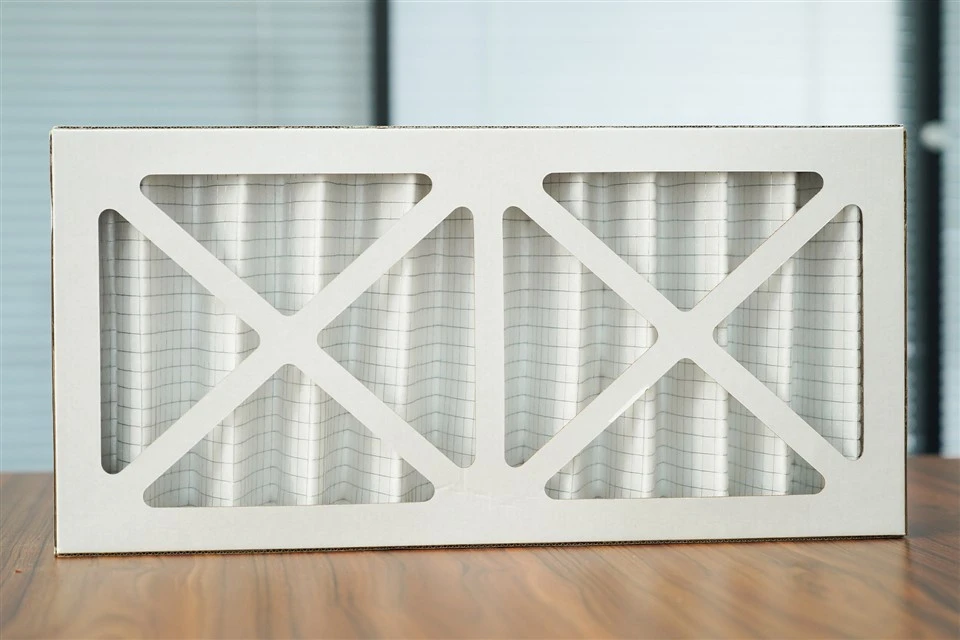

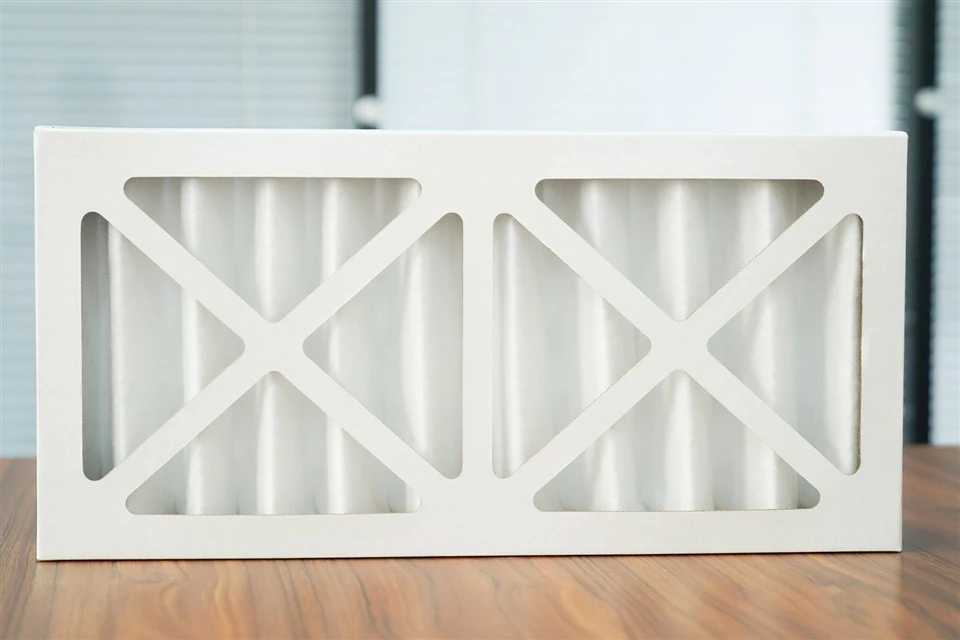
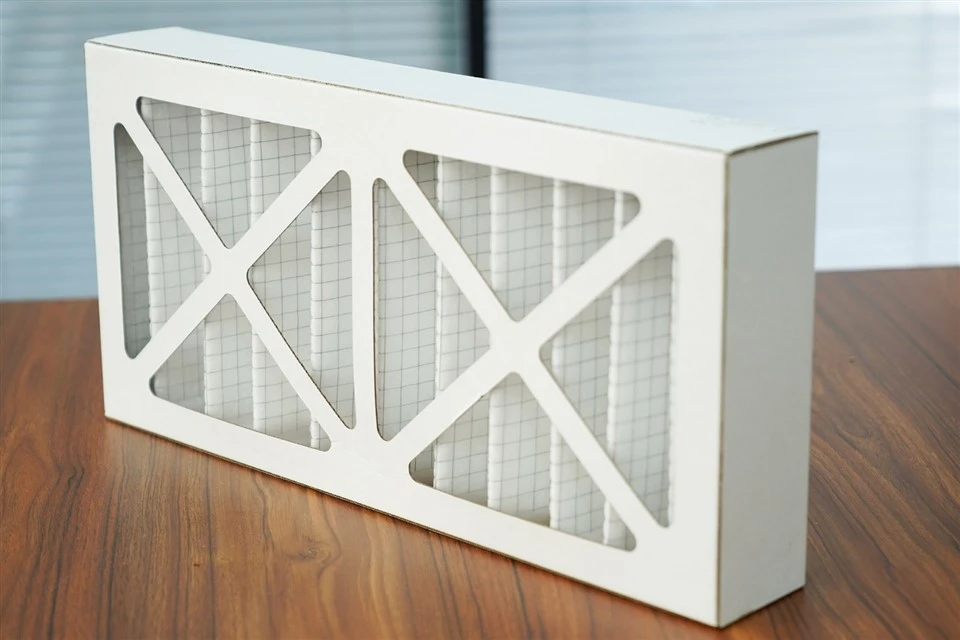
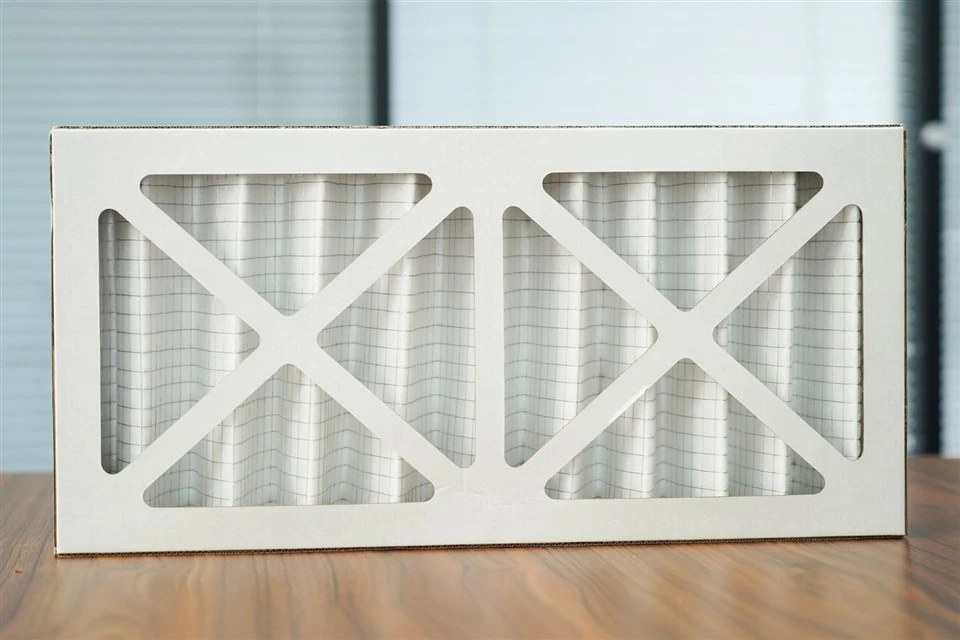
Customizing air filters for dust removal and cleaning systems requires a tailored approach to ensure optimal performance, efficiency, and longevity. Below is a structured guide to designing and optimizing air filters for these applications:
1. Understanding System Requirements
Dust Characteristics: Analyze particle size (microns), composition (e.g., wood dust, metal shavings, chemical particulates), and concentration.
Airflow Rate: Determine the required CFM (cubic feet per minute) based on the system's capacity and operational demands.
Environmental Conditions: Consider temperature, humidity, and presence of corrosive agents (e.g., chemicals, oils).
Compliance Standards: Adhere to industry regulations (e.g., OSHA, EPA, ISO) and safety protocols.
2. Filter Media Selection
Mechanical Filters:
HEPA (High-Efficiency Particulate Air): Captures 99.97% of particles ≥0.3 µm. Ideal for ultra-fine dust (e.g., pharmaceuticals, cleanrooms).
ULPA (Ultra-Low Penetration Air): Filters ≥0.12 µm at 99.9995% efficiency. Used in critical environments (e.g., semiconductor manufacturing).
Fiberglass/Synthetic Media: Cost-effective for general dust (e.g., HVAC systems).
Electrostatic Filters: Use static charge to trap particles. Suitable for low-to-medium dust loads (e.g., residential air purifiers).
Activated Carbon Filters: Absorb gases, odors, and VOCs. Combine with particulate filters for comprehensive cleaning.
Self-Cleaning Filters: Use reverse airflow or vibration to dislodge dust. Ideal for high-dust environments (e.g., mining, cement plants).
3. Filter Design Considerations
Pleated vs. Flat Media: Pleated filters increase surface area, improving efficiency and lifespan.
Depth Loading vs. Surface Loading: Depth-loading filters (e.g., bag filters) trap particles deeper in the media, while surface-loading filters (e.g., cartridge filters) capture dust on the surface.
Pressure Drop: Minimize resistance to airflow to reduce energy consumption. Balance efficiency with pressure drop using MERV (Minimum Efficiency Reporting Value) ratings.
Fire Resistance: Use flame-retardant materials for hot or spark-prone environments (e.g., welding, foundries).
4. Customization for Dust Removal Systems
High-Efficiency Filtration: Use HEPA/ULPA filters for fine dust (e.g., pharmaceuticals, electronics).
Cyclone Pre-Filters: Separate large particles before the main filter to extend lifespan.
Explosion-Proof Designs: Incorporate spark arrestors and ATEX-certified components for flammable dust (e.g., woodworking, grain handling).
Modular Filter Banks: Allow easy replacement and scaling for varying dust loads.
5. Customization for Cleaning Systems
Washable/Reusable Filters: Suitable for low-maintenance applications (e.g., industrial vacuum cleaners).
Self-Cleaning Mechanisms: Use pulse-jet or reverse-air systems for automated dust removal (e.g., dust collectors).
Chemical Resistance: Use PTFE-coated or stainless-steel filters for corrosive environments (e.g., chemical plants).
Oil/Water Separation: Include coalescing filters for mist or oil-laden air (e.g., CNC machining).
6. Maintenance & Optimization
Regular Inspection: Monitor pressure drop and filter condition.
Automated Alerts: Use sensors to trigger maintenance when pressure drop exceeds thresholds.
Cleaning Protocols: Follow manufacturer guidelines for washing, vacuuming, or replacing filters.
Lifecycle Analysis: Track filter lifespan and replacement costs to optimize ROI.
7. Testing & Validation
Efficiency Testing: Verify filtration performance using ISO 16890 or ASHRAE 52.2 standards.
Field Trials: Test custom filters in real-world conditions before full deployment.
Continuous Improvement: Collect data on dust load, airflow, and energy use to refine designs.
Example Applications
Woodworking Shops: Use bag filters with cyclone pre-separators to handle sawdust.
Pharmaceutical Labs: Deploy HEPA filters in laminar flow hoods for sterile environments.
Cement Plants: Install self-cleaning cartridge filters with explosion-proof features.
Food Processing: Use stainless-steel, washable filters for hygienic operation.
Conclusion
Customizing air filters for dust removal and cleaning systems involves balancing efficiency, pressure drop, durability, and cost. By selecting the right media, design, and maintenance protocols, you can optimize performance, reduce energy consumption, and extend equipment lifespan. Always consult with filtration experts to tailor solutions to your specific needs.
Hot Tags: customize air filter for dust removal system and cleaning system for optimal performance, China customize air filter for dust removal system and cleaning system for optimal performance manufacturers, suppliers, factory, air filter replacement, Air Filters, buy air filters, Communication Equipment Filter, Medium Efficiency Air Filter, oem air filters