

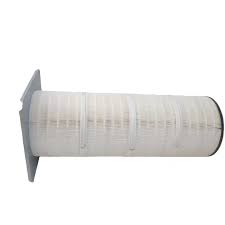

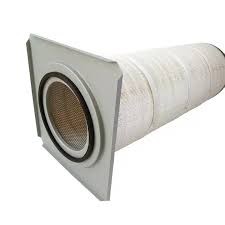
Advanced Air Purifying Dust Filter Elements for Industrial Use: A Comprehensive Guide
1. What Are Advanced Industrial Dust Filter Elements?
Advanced dust filter elements are high-performance filtration components designed to remove particulate matter (PM) from industrial air streams. Unlike basic filters, they integrate innovative materials, optimized designs, and enhanced durability to meet stringent industrial demands.
Key Features:
High Filtration Efficiency: Captures sub-micron particles (e.g., PM2.5, PM10).
Long Service Life: Withstands harsh conditions (high temperatures, humidity, chemicals).
Low Pressure Drop: Maintains airflow efficiency, reducing energy consumption.
Self-Cleaning/Easy Maintenance: Minimizes downtime via pulse-jet cleaning or modular design.
2. Core Technologies & Materials
| Technology/Material | Description | Applications | Advantages |
|---|---|---|---|
| PTFE Membrane | A thin, hydrophobic layer (ePTFE) laminated onto filter media. | Steel, cement, pharmaceuticals | High efficiency (99.99%), anti-clogging, chemical resistance. |
| Nanofiber Coating | Ultra-fine fibers (0.1–0.5 µm) increase surface area for particle capture. | Electronics, food processing | Superior dust retention, longer lifespan. |
| Sintered Metal Filters | Porous metal structures (e.g., stainless steel) for high-temperature filtration. | Foundries, chemical plants | Thermal stability (up to 900°C), washable/reusable. |
| Activated Carbon + HEPA | Combines carbon adsorption (for gases/VOCs) with HEPA (for particles). | Waste treatment, paint booths | Dual-action filtration (odor + dust removal). |
| Pulse-Jet Cleaning | Compressed air pulses dislodge dust cake, extending filter life. | Heavy industry (cement, mining) | Reduces manual maintenance, maintains efficiency. |
3. Key Performance Metrics
Filtration Efficiency: Measured by MPPS (Most Penetrating Particle Size)-typically >99.9% for HEPA-grade filters.
Dust Holding Capacity: How much dust a filter can hold before replacement (e.g., 5–10 kg/m² for pleated filters).
Pressure Drop: Lower is better (ideal: <500 Pa at rated flow).
Temperature Resistance:
Fiberglass/PTFE: 260°C
Sintered metal: Up to 900°C
Polyester: 130°C
4. Applications in Heavy Industry
| Industry | Key Contaminants | Recommended Filter Type |
|---|---|---|
| Steel | Iron oxide, coke dust, fumes | PTFE membrane fiberglass |
| Cement | Limestone dust, silica | Nanofiber-coated polyester |
| Mining | Silica, coal dust | Sintered metal or pulse-jet cartridges |
| Power Generation | Fly ash, SO₂ | Activated carbon + HEPA |
| Pharmaceuticals | Active ingredients, microbes | HEPA/ULPA with PTFE |
5. Maintenance & Lifespan Optimization
Regular Inspection: Check for tears, clogging, or pressure drop spikes.
Cleaning Protocols:
Pulse-jet filters: Clean every 2–4 hours during operation.
Washable filters (e.g., sintered metal): Use compressed air or water (if compatible).
Replacement Triggers:
Pressure drop exceeds 1,500 Pa.
Visible damage or reduced airflow.
Expected Lifespan:
HEPA/PTFE: 2–5 years (dependent on dust load).
Nanofiber: 1–3 years.
Sintered metal: 5–10 years (reusable).
6. Cost-Benefit Analysis
| Filter Type | Initial Cost | Annual Maintenance | Lifespan (Years) | Total Cost/Year |
|---|---|---|---|---|
| Polyester | $ | $ | 1–2 | $ |
| Nanofiber | $$ | $$ | 2–3 |
∣∣∗∗PTFE/HEPA∗∗∣
∣ | 3–5 |
∣∣∗∗SinteredMetal∗∗∣
∣ | 5–10 | $$ |
Key Takeaway: While PTFE/HEPA filters cost more upfront, they reduce energy use (lower pressure drop) and maintenance costs, offering superior ROI in high-dust environments.
7. Environmental & Regulatory Compliance
Meets Standards:
ISO 16890 (general ventilation).
EN 1822 (HEPA/ULPA).
U.S. EPA NESHAP (National Emission Standards).
Reduces Emissions: Helps achieve <1 mg/m³ dust emissions (vs. regulatory limits of 10–50 mg/m³).
8. Recommendations for Selection
For High-Temperature/Chemical Environments: Choose PTFE membrane fiberglass or sintered metal.
For Sub-Micron Filtration: Opt for HEPA/ULPA with PTFE.
For Cost-Sensitive Applications: Use nanofiber-coated polyester (balanced performance).
For Washable/Reusable Needs: Sintered metal is ideal.
Conclusion
Advanced industrial dust filter elements are critical for worker safety, equipment longevity, and environmental compliance. By selecting the right technology (PTFE, nanofiber, sintered metal) based on temperature, chemistry, and particle size, manufacturers can optimize performance while minimizing costs.
Hot Tags: advanced air purifying dust filter element for industry use, China advanced air purifying dust filter element for industry use manufacturers, suppliers, factory