

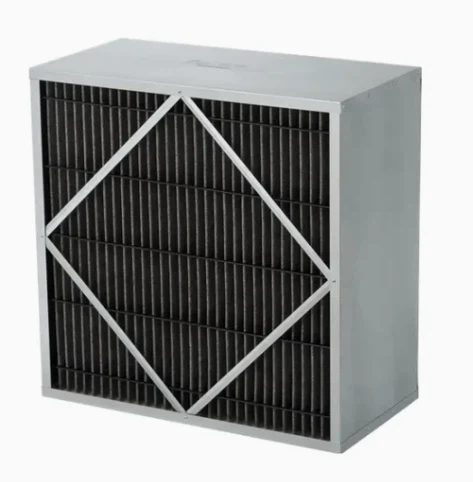

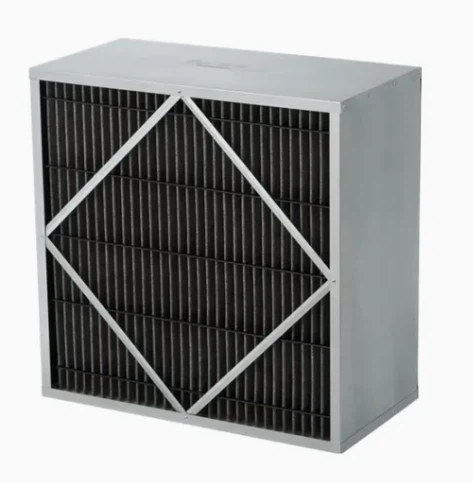
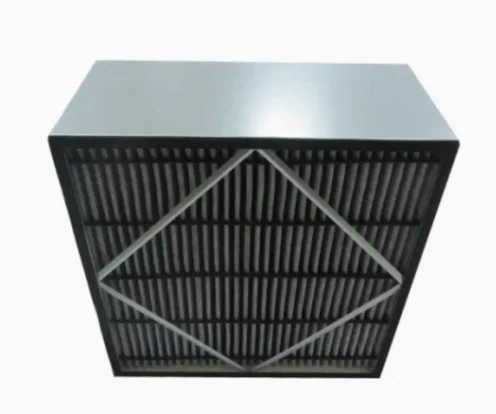

An Industrial Chemical Dust Collection Air Cleaner with Activated Carbon Filter is a specialized air purification system designed to remove both particulate matter (dust, chemical powders) and gaseous pollutants (volatile organic compounds, odors, fumes) from industrial environments. Below is a detailed breakdown of its components, applications, benefits, and selection criteria:
Key Components
Pre-Filter Stage
Captures large dust particles (e.g., sawdust, metal shavings) to extend the life of downstream filters.
Typically made of washable or disposable materials like polyester or fiberglass.
HEPA/High-Efficiency Filter
Removes fine particulates (≥0.3 microns) with 99.97% efficiency, ensuring clean air for sensitive processes.
Critical for industries like pharmaceuticals, food processing, and electronics manufacturing.
Activated Carbon Filter
The core component for chemical and odor removal.
Made of porous carbon granules or blocks with a large surface area to adsorb gases like VOCs, solvents, and fumes.
May be impregnated with chemicals (e.g., potassium permanganate) to enhance adsorption of specific pollutants.
Optional Post-Filters
Additional layers (e.g., catalytic filters, UV sterilization) for advanced purification of stubborn contaminants.
Fan/Blower System
Ensures adequate airflow (measured in CFM, or cubic feet per minute) to handle the volume of contaminated air.
Control System
Automated features like pressure gauges, filter change indicators, and variable speed controls for efficiency.
Applications
Chemical Processing: Removes solvent vapors, acid fumes, and dust from reactors, mixing tanks, and packaging lines.
Pharmaceuticals: Eliminates airborne powders and volatile compounds during drug synthesis or tablet coating.
Automotive/Aerospace: Captures welding fumes, paint overspray, and adhesive vapors in spray booths.
Electronics Manufacturing: Filters soldering fumes, flux residues, and dust from cleanrooms.
Food & Beverage: Removes odors, smoke, and particulates from cooking, baking, or flavoring processes.
Waste Treatment: Neutralizes odors from composting, sewage treatment, or landfill operations.
Benefits
Comprehensive Air Quality Control
Addresses both particulate and gaseous pollutants in a single system, reducing the need for multiple devices.
Health & Safety Compliance
Helps meet OSHA, EPA, or industry-specific regulations (e.g., NIOSH, ASHRAE) for worker exposure limits.
Product Quality Protection
Prevents contamination of sensitive products (e.g., semiconductors, pharmaceuticals) by maintaining clean air.
Energy Efficiency
Modern systems use variable-speed fans and energy-recovery features to minimize power consumption.
Long-Term Cost Savings
Reduces maintenance costs by extending filter life and preventing equipment corrosion from chemical exposure.
Selection Criteria
Airflow Capacity (CFM)
Choose a unit rated for the volume of air in your facility (e.g., 500–10,000+ CFM for large-scale operations).
Filter Efficiency
Ensure HEPA filters meet 99.97% @ 0.3 microns for particulates.
Verify activated carbon filters are rated for the specific chemicals in your environment (e.g., formaldehyde, ammonia).
Filter Lifespan & Replacement Cost
Opt for filters with longer service intervals (e.g., 6–12 months) to reduce downtime and labor costs.
Construction & Durability
Select units with corrosion-resistant materials (e.g., stainless steel, powder-coated steel) for harsh environments.
Certifications
Look for certifications like UL, CE, or CSA for safety and performance compliance.
Customization Options
Some manufacturers offer modular designs to add filters or adjust airflow based on evolving needs.
Maintenance Tips
Regular Inspections: Check pressure drops across filters to detect clogging early.
Filter Replacement: Follow manufacturer guidelines for HEPA and carbon filter changes.
Duct Cleaning: Periodically clean ductwork to prevent dust buildup and pressure losses.
Safety Protocols: Use PPE when servicing units handling hazardous chemicals.
Conclusion
An Industrial Chemical Dust Collection Air Cleaner with Activated Carbon Filter is a critical investment for facilities requiring clean air to protect workers, products, and equipment. By selecting a system tailored to your specific pollutants and operational scale, you can ensure compliance, efficiency, and long-term cost savings. Always consult with a filtration expert to design a solution that meets your unique needs.
Hot Tags: industrial chemical dust collection air cleaner activated carbon filter, China industrial chemical dust collection air cleaner activated carbon filter manufacturers, suppliers, factory